



Conveyor Belt Fasteners: Types, Uses & Selection Guide
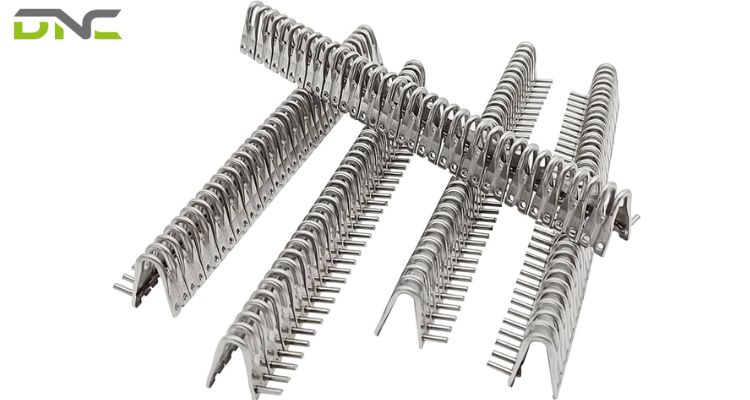
Unexpected conveyor belt failure is one of the most common causes of production downtime in industrial environments. When belts tear, slip, or misalign, operations slow down, maintenance costs rise, and safety risks increase. Many of these problems stem from using the wrong fastening solution or poor installation practices.
Conveyor belt fasteners play a critical role in ensuring reliable belt connections, quick repairs, and long-term performance. Understanding how these fasteners work, their types, and how to select the right one helps operators maintain productivity, reduce downtime, and extend the lifespan of conveyor systems.
What Are Conveyor Belt Fasteners?
Conveyor belt fasteners are mechanical devices used to join, repair, or splice conveyor belts without the need for permanent bonding methods such as vulcanization. They create a secure connection between belt ends, allowing belts to transmit power, carry loads, and operate smoothly.
Mechanical fasteners are widely used because they enable faster installation, easier maintenance, and quicker belt replacement. These fasteners are designed to withstand tension, abrasion, and environmental stress while maintaining belt alignment and minimizing material loss during operation.
Types of Conveyor Belt Fasteners
Different conveyor applications require different fastening solutions. Factors such as belt thickness, load capacity, operating speed, and environmental conditions determine which fastener type delivers the best performance and durability.
Hinged Conveyor Belt Fasteners
Hinged fasteners consist of interlocking loops secured by a connecting pin.
- These fasteners are ideal for belts requiring frequent removal for cleaning or maintenance
- They allow smooth belt flexing around pulleys, reducing stress on the splice
- Hinged designs are commonly used in food processing, packaging, and light-duty conveying where hygiene and accessibility are critical
Bolt Solid Plate Fasteners
Bolt solid plate fasteners use metal plates secured with bolts through the belt.
- Designed for heavy-duty applications with high tension and impact loads
- Provide strong, rigid connections for mining, quarrying, and bulk material handling
- Offer long service life and resistance to abrasion, making them suitable for harsh environments
Plastic Conveyor Belt Fasteners
Plastic fasteners are lightweight alternatives made from engineered polymers.
- Suitable for low-load and corrosion-sensitive environments
- Commonly used in food-grade or chemical processing conveyors
- Reduce belt damage and minimize noise during operation
Materials Used in Conveyor Belt Fasteners
The material of conveyor belt fasteners directly affects strength, durability, corrosion resistance, and overall performance, making material selection a critical factor for reliable conveyor operation.
- Carbon Steel Fasteners: Carbon steel fasteners offer high tensile strength and cost efficiency for general industrial use. They perform well in dry environments where corrosion exposure is minimal.
- Stainless Steel Fasteners: Stainless steel fasteners provide excellent resistance to moisture, chemicals, and temperature fluctuations. They are ideal for applications requiring hygiene, washdowns, or corrosion protection.
- Polymer and Plastic Fasteners: Polymer-based fasteners are lightweight and non-metallic, reducing wear on conveyor belts. They are commonly used in low-load or chemically sensitive environments.
How to Choose the Right Conveyor Belt Fasteners
Choosing the right conveyor belt fastener ensures optimal belt performance, minimizes downtime, and improves safety by matching the fastener design to operating and load conditions.
- Belt Thickness and Tensile Strength: Fasteners must be compatible with belt thickness and tensile rating to prevent splice failure. Proper sizing ensures even load distribution and long-term reliability.
- Conveyor Speed and Pulley Diameter: High-speed conveyors require low-profile fasteners to reduce vibration and noise. Smaller pulleys need flexible fasteners for smooth belt travel and reduced stress.
- Operating Environment: Environmental factors such as moisture, dust, and chemicals influence fastener material selection. Choosing corrosion-resistant options extends service life and reduces maintenance needs.
Conveyor Belt Fasteners vs Vulcanized Splicing
Understanding the differences between mechanical fasteners and vulcanized splicing helps operators choose the most practical and cost-effective belt joining method.
| Feature | Conveyor Belt Fasteners | Vulcanized Splicing |
| Installation Time | Fast, minimal downtime | Long, requires curing |
| Maintenance | Easy to repair or replace | Difficult to modify |
| Cost | Lower upfront cost | Higher labor and equipment cost |
| Flexibility | Suitable for frequent belt removal | Permanent connection |
| Application | Ideal for quick repairs | Best for long-term installations |
Why Are Conveyor Belt Fasteners Important for Automation Systems?
In automated conveyor systems, reliable belt fastening solutions are essential to maintain continuous operation, protect equipment, and support consistent material flow.
- Ensure Operational Continuity: Secure fasteners maintain stable belt connections under continuous operation. This reduces unexpected failures that disrupt automated processes.
- Improve System Reliability: Consistent fastening supports accurate material movement across automation stages. Reliable belts help maintain overall equipment effectiveness.
- Reduce Maintenance and Downtime Costs: Mechanical fasteners allow quick repairs and easy replacement. This minimizes downtime and lowers total maintenance costs.
- 21 views
- 0 Comment
Recent Comments