



Conveyor Belt Rubber: Types, Properties & Uses
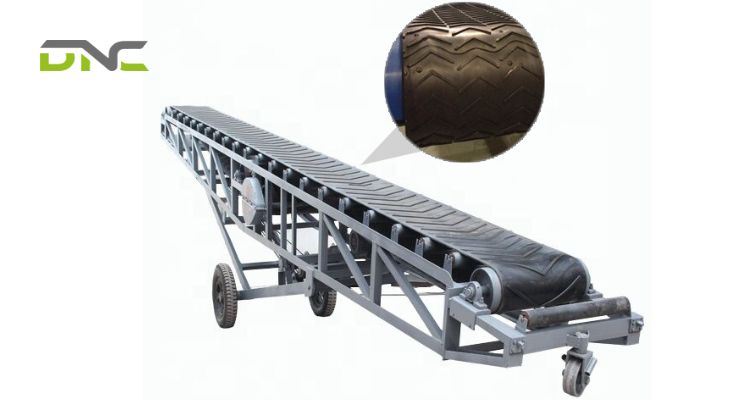
Premature belt wear, frequent downtime, and unexpected maintenance costs are common issues in conveyor systems. In many cases, the root cause is not the conveyor design, but the wrong conveyor belt rubber selection.
Rubber quality directly impacts durability, grip, resistance, and system reliability. Understanding conveyor belt rubber materials, properties, and applications is essential for building efficient, long-lasting automated conveying systems
What Is Conveyor Belt Rubber?
Conveyor belt rubber refers to the elastomer-based material used as the top cover, bottom cover, or core layer of conveyor belts to transport materials efficiently and safely. It is engineered to provide flexibility, strength, and resistance against abrasion, heat, oil, chemicals, and impact. In automated conveyor systems, conveyor belt rubber plays a critical role in maintaining traction, protecting internal reinforcements, and ensuring stable material flow. The right rubber compound directly influences belt lifespan, energy efficiency, and maintenance frequency across industrial applications.
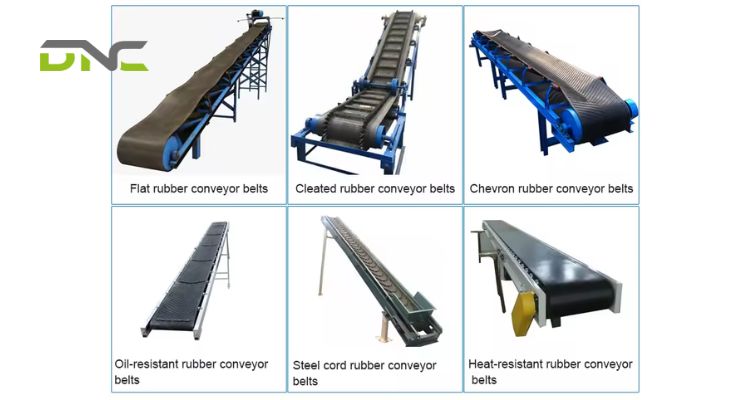
Common Types of Conveyor Belt Rubber Materials
Choosing the correct rubber compound requires understanding how each material performs under different operating conditions. Conveyor belt rubber types are formulated to solve specific industrial challenges.
Natural Rubber (NR)
Natural rubber is widely used for applications requiring excellent elasticity and abrasion resistance. It performs well in dry material handling environments where flexibility and impact absorption are essential. Natural rubber conveyor belts are commonly selected for bulk handling operations due to their durability under continuous mechanical stress.
Styrene-Butadiene Rubber (SBR)
SBR conveyor belt rubber offers a balance between cost and performance. It provides good abrasion resistance and moderate heat tolerance, making it suitable for general-purpose conveyor systems. SBR is often used when operating conditions are stable and extreme chemical or oil resistance is not required.
Nitrile Rubber (NBR)
NBR conveyor belt rubber is designed for environments exposed to oils, greases, and fuels. Its oil-resistant properties prevent swelling and degradation, helping maintain belt integrity over time. This type of rubber is commonly applied in recycling lines, automotive manufacturing, and material handling involving lubricated components.
Ethylene Propylene Diene Monomer (EPDM)
EPDM rubber is known for its superior resistance to heat, ozone, and weathering. Conveyor belt rubber made from EPDM performs reliably in high-temperature environments and outdoor installations. It is often selected for conveying hot materials or operating in harsh environmental conditions.
Key Performance Properties of Conveyor Belt Rubber
Understanding performance characteristics helps engineers and operators select conveyor belt rubber that matches system demands and reduces long-term operational risk.
- Abrasion Resistance: Abrasion resistance determines how well conveyor belt rubber withstands surface wear caused by material friction. High abrasion resistance reduces belt thickness loss, extends service life, and minimizes replacement frequency. This property is especially critical in bulk material handling and high-throughput automation lines.
- Heat Resistance: Heat-resistant conveyor belt rubber is engineered to maintain structural integrity under elevated temperatures. Selecting the correct heat rating prevents hardening, cracking, or premature aging of the rubber cover, ensuring stable belt performance in thermal processing or hot material transfer applications.
- Oil and Chemical Resistance: Oil-resistant conveyor belt rubber prevents degradation when exposed to lubricants, chemicals, or solvents. This property is essential in industrial environments where material contamination can compromise standard rubber compounds and lead to belt slippage or failure.
- Flexibility and Tensile Strength: Flexibility allows conveyor belt rubber to adapt to pulley diameters and system layouts without cracking. Combined with tensile strength, it ensures the belt can handle load stress while maintaining smooth, continuous movement across automated systems.

Industrial Applications of Conveyor Belt Rubber
Conveyor belt rubber is engineered to meet the specific demands of different industries, where operating conditions vary significantly.
Bulk Material Handling
In bulk handling applications, conveyor belt rubber must withstand continuous abrasion, impact loading, and heavy materials. Durable rubber compounds protect the belt structure while maintaining stable material transport across long conveyor runs.
Manufacturing and Assembly Lines
Automated production lines rely on conveyor belt rubber for consistent grip and positioning accuracy. Proper rubber selection ensures smooth product transfer, minimizes vibration, and supports synchronized automation processes.
Food and Packaging Operations
Food-grade conveyor belt rubber is formulated to meet hygiene standards while resisting fats and cleaning chemicals. These belts support safe product handling and easy maintenance without compromising material integrity.
Recycling and Waste Processing
Recycling systems expose conveyor belt rubber to sharp objects, oils, and mixed materials. Specialized rubber compounds improve resistance to tearing, oil absorption, and surface damage, ensuring reliable operation in demanding environments.
How to Choose the Right Conveyor Belt Rubber
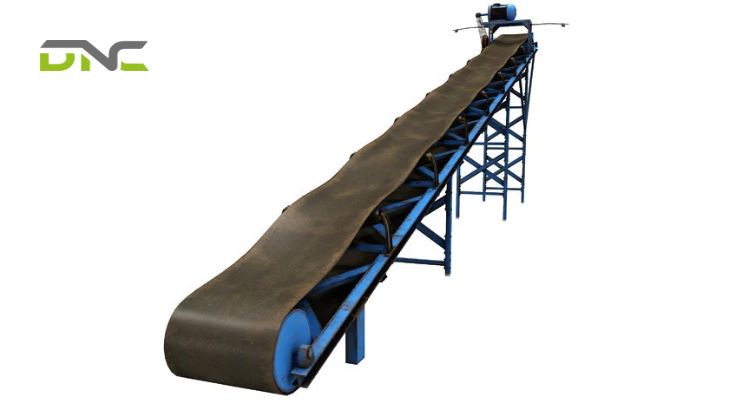
Selecting conveyor belt rubber should be based on system conditions rather than price alone. A structured evaluation helps avoid costly downtime and premature failure.
- Operating Environment: Temperature, moisture, chemical exposure, and material type directly influence rubber performance. Matching the rubber compound to environmental conditions ensures long-term reliability and stable conveyor operation.
- Load and Speed Requirements: Higher loads and faster belt speeds increase mechanical stress. Conveyor belt rubber must provide sufficient tensile strength and wear resistance to handle operational demands without deformation or surface damage.
- Maintenance and Lifecycle Cost: Low-quality rubber may reduce upfront cost but increases maintenance frequency. High-performance conveyor belt rubber lowers total cost of ownership by extending belt lifespan and reducing unplanned stoppages.
- System Integration Compatibility: Rubber selection should align with pulley design, belt tension, and automation controls. Proper compatibility improves tracking, reduces energy consumption, and supports consistent system performance.
Common Conveyor Belt Rubber Issues and Maintenance Tips
Even high-quality conveyor belt rubber requires proper care to maintain optimal performance throughout its service life.
- Premature Surface Wear: Surface wear often results from abrasive materials or misalignment. Regular inspections and correct belt tracking help preserve rubber integrity and prevent uneven degradation.
- Hardening and Cracking: Exposure to excessive heat or incompatible chemicals can cause rubber hardening. Selecting the correct compound and maintaining operating limits reduces the risk of cracking and belt failure.
- Slippage and Loss of Grip: Loss of grip affects material flow and automation accuracy. Proper rubber formulation and surface texture selection help maintain traction under varying load conditions.
Why Is DNC Automation a Trusted Partner for Conveyor Belt Rubber Solutions?
Choosing the right conveyor belt rubber requires more than product selection—it demands system-level expertise. DNC Automation delivers conveyor solutions that integrate correctly specified conveyor belt rubber with overall automation design.
By focusing on application analysis, performance requirements, and long-term reliability, DNC Automation helps businesses reduce downtime, optimize system efficiency, and achieve stable, scalable conveyor operations backed by technical support and engineering experience.
- 12 views
- 0 Comment
Recent Comments