


Feeder Conveyor: Types, Benefits, and Industrial Uses
In automated production lines, inconsistent material flow is one of the most common causes of downtime, inefficiency, and quality issues. Many manufacturers struggle with uneven feeding, material spillage, or bottlenecks between processes. A poorly selected conveyor system can disrupt the entire workflow and reduce productivity.
This is where a feeder conveyor becomes essential. Designed to regulate and control material flow with precision, feeder conveyors help automation systems operate smoothly and reliably. Understanding how feeder conveyors work, their types, and selection criteria allows businesses to build stable, efficient, and scalable automation solutions.
What Is a Feeder Conveyor?
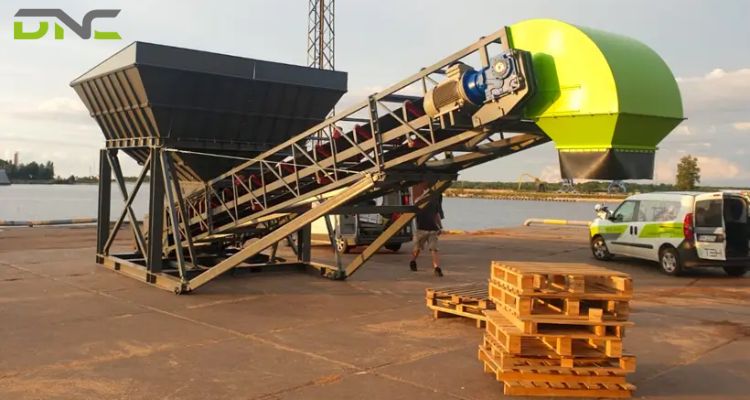
A feeder conveyor is a specialized material handling system designed to deliver materials at a controlled and consistent rate to downstream equipment or processes. Unlike standard conveyors that focus on transport, feeder conveyors prioritize accuracy, flow regulation, and synchronization with automated systems.
They are commonly installed at the beginning of production lines to feed materials into machines such as crushers, packaging systems, sorters, or assembly stations. By ensuring steady material input, feeder conveyors help prevent overloads, reduce wear on machinery, and maintain stable production output in automated environments.
Types of Feeder Conveyors
Feeder conveyors are available in several designs, each engineered to handle specific material characteristics, load conditions, and automation requirements. Understanding the differences between these types helps ensure stable material flow and reliable system performance.
Belt Feeder Conveyor
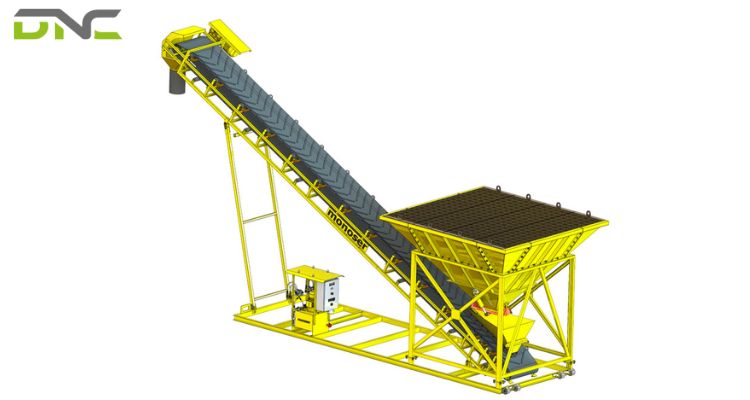
A belt feeder conveyor uses a continuous belt to deliver materials at a controlled and adjustable rate. It is commonly installed beneath hoppers or bins to feed materials evenly into downstream equipment. Belt feeders are ideal for applications requiring smooth material flow, accurate speed control, and easy integration with automated control systems. Their simple structure allows reliable operation in manufacturing, packaging, and assembly automation environments.
Vibratory Feeder Conveyor
A vibratory feeder conveyor moves materials through controlled vibration rather than mechanical pulling. This type is highly effective for handling bulk materials, small components, or irregularly shaped items that require consistent feeding. Vibratory feeders help prevent material bridging and clogging, making them suitable for precision feeding in automated processes where steady input is critical for downstream equipment performance.
Screw Feeder Conveyor
A screw feeder conveyor transports material using a rotating helical screw enclosed within a trough or tube. It is widely used for powders, granules, and fine materials that require enclosed and controlled feeding. Screw feeders provide accurate volumetric control, making them suitable for dosing and metering applications in automated production lines while also reducing dust and material spillage.
Apron Feeder Conveyor
An apron feeder conveyor is designed for heavy-duty applications involving large, abrasive, or high-impact materials. It consists of overlapping metal plates mounted on chains, allowing it to withstand extreme loads and harsh operating conditions. Apron feeders are commonly used where controlled feeding of heavy materials is required, ensuring durability and stable operation in demanding industrial automation systems
Key Applications of Feeder Conveyors in Automation
Feeder conveyors play a critical role across various industrial automation scenarios.
- Manufacturing lines: Feeder conveyors ensure consistent material supply to machines, helping maintain stable cycle times and product quality.
- Packaging systems: Controlled feeding prevents jams, improves accuracy, and supports high-speed packaging operations.
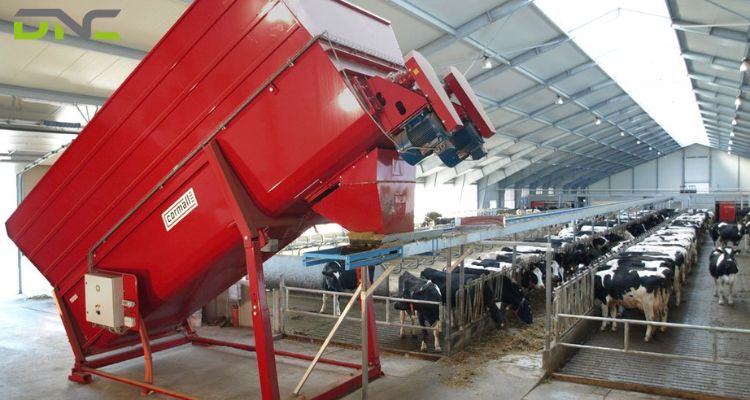
- Bulk material handling: Feeder conveyors regulate material flow from hoppers or silos, protecting downstream equipment from overload.
- Assembly automation: Precise feeding of components enables synchronized operations in robotic and semi-automated assembly lines.
Benefits of Using a Feeder Conveyor
Implementing a feeder conveyor brings measurable advantages to automated systems.
- Improved process stability: Controlled feeding eliminates surges and interruptions, allowing production lines to operate smoothly.
- Higher operational efficiency: Consistent material flow reduces machine stoppages and increases overall throughput.
- Reduced equipment wear: Feeding materials at regulated rates minimizes stress on downstream machinery.
- Enhanced automation integration: Feeder conveyors easily interface with control systems, sensors, and monitoring platforms.
Feeder Conveyor vs Standard Conveyor Systems
Understanding the difference between feeder conveyors and traditional conveyors helps ensure correct system selection.
| Comparison Criteria | Feeder Conveyor | Standard Conveyor |
|---|---|---|
| Primary Function | Controlled material feeding | Material transportation |
| Flow Regulation | High precision | Limited or none |
| Automation Integration | Optimized for control systems | Basic integration |
| Application Position | Start of production lines | Between processes |
| Material Handling | Regulated and consistent | Continuous movement |
How to Choose the Right Feeder Conveyor
Selecting the right feeder conveyor requires careful evaluation of operational needs and material characteristics.
- Material type and properties: Factors such as weight, size, abrasiveness, and moisture content determine the suitable feeder design.
- Required feeding accuracy: High-precision applications may require vibratory or screw feeders with fine speed control.
- Integration requirements: Compatibility with automation controls, sensors, and existing systems is essential for seamless operation.
- Operating environment: Temperature, dust levels, and load conditions influence material choice and feeder durability.
Maintenance Considerations for Feeder Conveyors
Proper maintenance ensures long-term reliability and performance.
- Regular inspection: Checking belts, screws, or vibration mechanisms prevents unexpected failures.
- Lubrication and alignment: Proper lubrication and component alignment reduce friction and wear.
- Control system monitoring: Monitoring speed and load parameters helps detect early signs of inefficiency.
- Preventive servicing: Scheduled maintenance minimizes downtime and extends equipment lifespan.
How Does a Feeder Conveyor Support Automation Efficiency?
A feeder conveyor is more than a transport device; it is a core component of efficient automation systems.
- It stabilizes material flow, ensuring downstream equipment operates within optimal parameters.
- It enables synchronization between machines, conveyors, and robotic systems.
- It improves data accuracy for monitoring and process optimization.
By delivering materials consistently and predictably, feeder conveyors enhance the reliability and scalability of automated production lines.
Why Choose DNC Automation as Your Feeder Conveyor Partner?
Choosing the right partner is as important as selecting the right equipment. DNC Automation is a trusted provider of feeder conveyor solutions designed for modern automation environments.
- Industry expertise: DNC Automation understands real-world automation challenges and delivers practical solutions.
- Custom-engineered systems: Feeder conveyors are designed to match specific material, capacity, and control requirements.
- Automation-focused approach: Solutions are built for seamless integration with PLCs, sensors, and smart control systems.
- Reliable support: From consultation to after-sales service, DNC Automation ensures long-term system performance.
- 143 views
- 0 Comment
Recent Comments