



Belt Conveyor Manufacturer: Engineering Capabilities and Automation-Focused Solutions
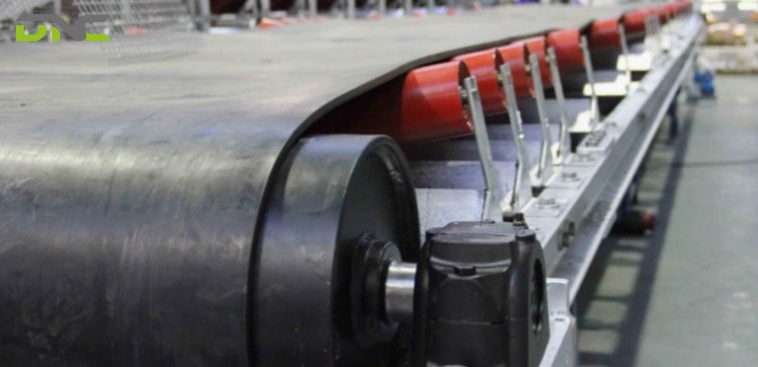
In industrial automation, belt conveyors are more than simple transport equipment—they are critical components that directly affect productivity, system reliability, and material flow efficiency. Choosing the right belt conveyor manufacturer therefore plays a crucial role in how well a conveying system performs within an automated production environment. This article explores what defines a belt conveyor manufacturer, why manufacturing and engineering capabilities matter, and how automation-focused solutions support modern industrial operations.
What Defines a Belt Conveyor Manufacturer in Industrial Automation?
A belt conveyor manufacturer in industrial automation is defined not only by the ability to fabricate conveyors, but by the capability to engineer systems that reliably operate within complex production environments.
Unlike suppliers who distribute standard equipment, a manufacturer is responsible for:
- Engineering conveyor structures based on load, speed, and layout requirement
- Selecting appropriate belt materials and mechanical components
- Ensuring structural integrity, safety, and long-term performance
In automation projects, the manufacturer’s role extends further to ensure that belt conveyors can be seamlessly integrated with control systems, sensors, and upstream or downstream equipment. This engineering-driven approach distinguishes a true manufacturer from a basic equipment vendor.
Why Does the Manufacturer Matter in Belt Conveyor Performance?
The performance of a belt conveyor is directly influenced by the manufacturer’s engineering decisions. Factors such as frame rigidity, belt selection, roller alignment, and drive sizing all impact efficiency, reliability, and maintenance requirements.
A manufacturer with insufficient technical depth may rely on generic designs, leading to issues such as:
- Premature belt wear
- Misalignment and tracking problems
- Excessive energy consumption
- Reduced system uptime
In contrast, an experienced belt conveyor manufacturer designs systems based on real operating conditions, ensuring stable operation under varying loads and production demands. This makes the manufacturer a critical contributor to overall system performance—not just an equipment provider.
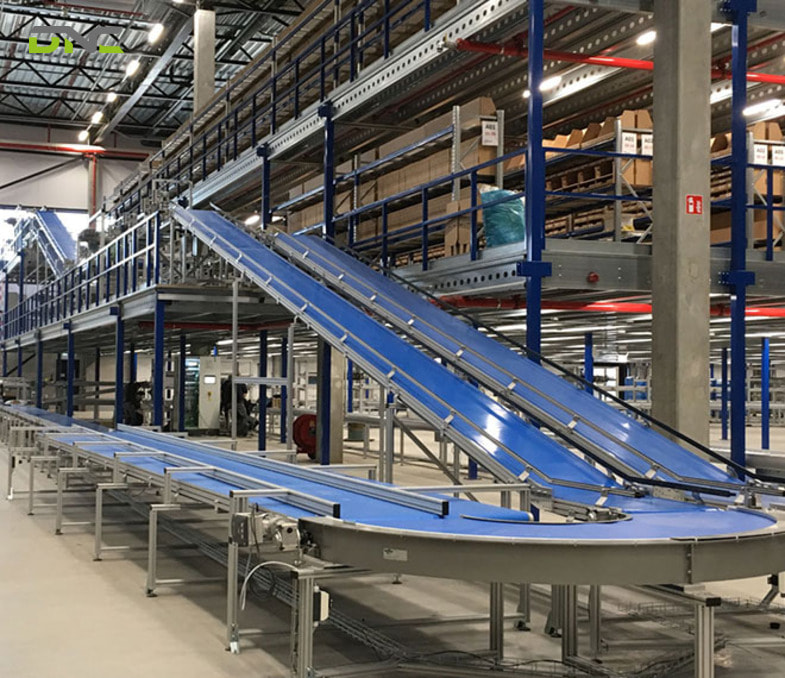
The performance of a belt conveyor is directly influenced by the manufacturer’s engineering decisions.
What Capabilities Should a Belt Conveyor Manufacturer Have?
A competent belt conveyor manufacturer must demonstrate a combination of engineering, manufacturing, and integration capabilities.
Key capabilities include:
- Mechanical and Structural Engineering: Ability to calculate lods, belt tension, speed, and structural strength for different applications.
- Material Handling Expertise: Understanding how different products behave during transport, including weight distribution, surface sensitivity, and flow behavior.
- Custom Fabrication Capability: Flexibility to design and manufacture conveyors tailored to specific layouts rather than relying on standard catalog models.
- Quality Control and Testing: Verification of alignment, belt tracking, and mechanical performance before installation.
- Automation Readiness: Design compatibility with sensors, PLCs, and control systems to support automated operation.
What Types of Belt Conveyor Solutions Do Manufacturers Commonly Deliver?
Rather than delivering isolated machines, belt conveyor manufacturers typically provide solutions aligned with production and logistics processes.
Common solution categories include:
- Production Line Conveying: Transporting materials or products between processing stations with consistent speed and positioning.
- Assembly and Inspection Conveying” Supporting manual or automated assembly operations with controlled product flow.
- Packaging and End-of-Line Conveying” Handling finished goods prior to packaging, palletizing, or dispatch.
- Intralogistics and Material Transfer” Connecting storage areas, workstations, and distribution points within a facility.
Each solution is engineered to support process efficiency, safety, and automation compatibility.
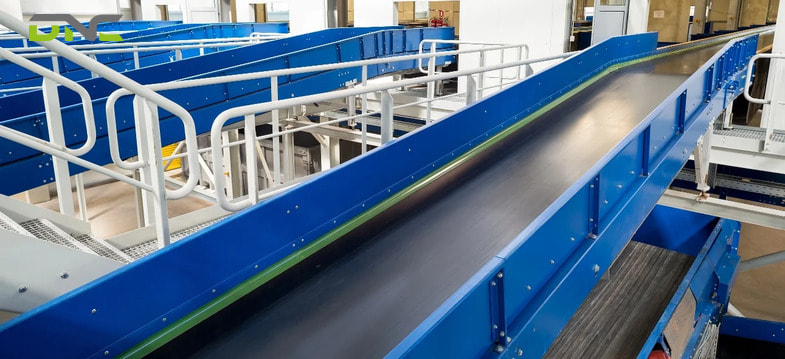
What Types of Belt Conveyor Solutions Do Manufacturers Commonly Deliver?
How Do Manufacturers Customize Belt Conveyors for Different Industries?
Different industries impose unique technical and operational requirements on belt conveyor systems. Customization is therefore a critical function of the manufacturer.
- Food and Beverage: Hygienic design, food-grade belts, easy cleaning, and corrosion-resistant materials.
- Heavy Industry: Reinforced structures, high-load capacity, and wear-resistant components.
- Electronics and Precision Manufacturing: Smooth motion control, low vibration, and precise speed regulation.
- Packaging and Logistics: Modular designs, flexible layouts, and compatibility with automated sorting or tracking systems.
Customization ensures that belt conveyors are optimized not just for movement, but for the operational context in which they operate.
What Defines a Belt Conveyor Manufacturer in Industrial Automation?
A belt conveyor manufacturer in industrial automation is defined not only by the ability to fabricate conveyors, but by the capability to engineer systems that reliably operate within complex production environments.
Unlike suppliers who distribute standard equipment, a manufacturer is responsible for:
- Engineering conveyor structures based on load, speed, and layout requirements
- Selecting appropriate belt materials and mechanical components
- Ensuring structural integrity, safety, and long-term performance
In automation projects, the manufacturer’s role extends further to ensure that belt conveyors can be seamlessly integrated with control systems, sensors, and upstream or downstream equipment. This engineering-driven approach distinguishes a true manufacturer from a basic equipment vendor.
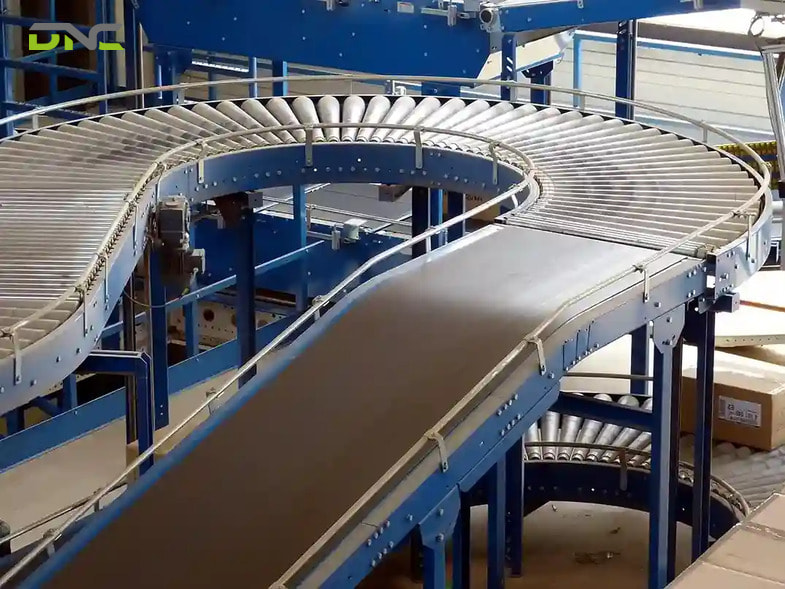
A belt conveyor manufacturer in industrial automation is defined not only by the ability to fabricate conveyors
Why DNC Automation Is Positioned as an Automation-Focused Belt Conveyor Manufacturer
DNC Automation approaches belt conveyor manufacturing from a system-level automation perspective rather than as standalone mechanical equipment.
By combining mechanical engineering with automation expertise, DNC ensures that belt conveyors are designed to function as integrated components within automated production lines. The focus is on material flow optimization, control compatibility, and long-term operational reliability.
This approach allows DNC Automation to support manufacturers seeking not only conveyors, but scalable, automation-ready material handling solutions aligned with modern industrial requirements.
- 2 views
- 0 Comment
Recent Comments