



Conveyor Metal Detectors: Types, Configuration, and System Integration
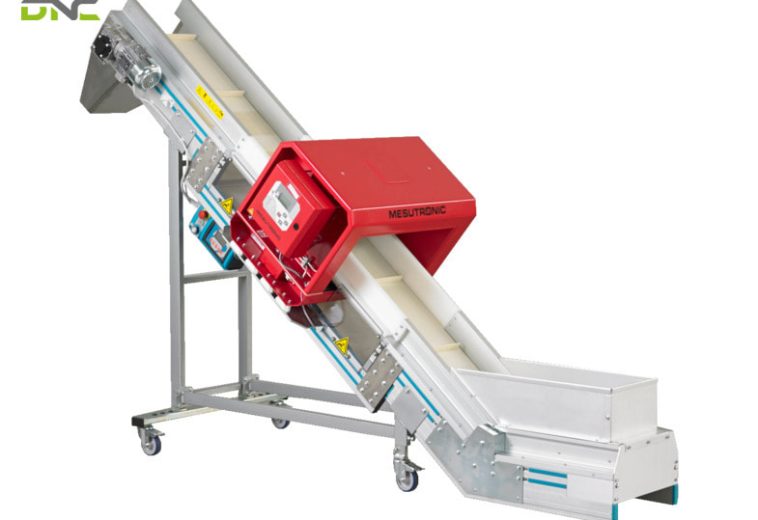
Conveyor metal detectors are essential inspection systems used to identify metal contaminants as products move through automated production lines. When properly integrated with conveyors and control systems, they help ensure product safety, equipment protection, and regulatory compliance without disrupting production flow.
What Is a Conveyor Metal Detector and How Does It Work?
A conveyor metal detector is an inline inspection system designed to detect metallic contaminants as products move along a conveyor belt. It is commonly installed at critical control points within production or packaging lines to ensure product safety and equipment protection.
The system works by generating an electromagnetic field through a set of coils housed within the detector head. When a metal object passes through this field, it disrupts the signal balance, triggering a detection event. The conveyor ensures consistent product speed, orientation, and positioning, which are essential for accurate and repeatable detection.
Why Are Conveyor Metal Detectors Critical in Industrial Production?
Conveyor metal detectors play a vital role in maintaining product integrity and operational safety.
- Product safety and quality assurance: Detecting metal contaminants helps prevent unsafe products from reaching end consumers.
- Equipment protection: Early detection prevents metal fragments from damaging downstream machinery such as cutters, fillers, or packaging equipment.
- Regulatory compliance: Many industries require metal detection as part of HACCP, GMP, or quality management systems.
- Risk reduction: Inline detection minimizes the likelihood of product recalls, brand damage, and production losses.

Conveyor metal detectors play a vital role in maintaining product integrity and operational safety.
What Types of Conveyor Metal Detectors Are Commonly Used?
Conveyor metal detectors are available in several types, each designed to address different product characteristics, packaging conditions, and detection challenges. The selection of detector type directly affects detection sensitivity, false reject rates, and overall system reliability.
- Balanced coil metal detectors: Balanced coil systems are the most widely used type in conveyor-based inspection. They operate using a transmitter coil and receiver coils arranged to create a stable electromagnetic field.
- Ferrous-in-foil detectors: These detectors are specifically designed for products packaged in aluminum foil or metallized films. Standard detectors struggle in such conditions due to constant signal interference from the packaging
- Multi-frequency metal detectors: Multi-frequency systems operate at multiple detection frequencies simultaneously. This allows the detector to compensate for product effect caused by moisture, salt, or temperature variations.
- Digital signal processing–based systems: Modern conveyor metal detectors increasingly rely on advanced digital signal processing (DSP). These systems use algorithms to differentiate between true metal contamination and product-related noise.
How Are Conveyor Metal Detectors Classified by Conveyor Configuration?
Conveyor metal detectors can also be classified based on how the detection unit is physically integrated with the conveyor and how contaminated products are handled. Conveyor configuration plays a critical role in detection accuracy, rejection reliability, and system synchronization.
- Integrated conveyor metal detectors: These systems combine the detector head and conveyor into a single, factory-calibrated unit. Because belt material, speed, and aperture size are optimized together, integrated systems offer higher detection stability and reduced setup complexity.
- Gravity feed vs belt conveyor detectors: Gravity feed systems rely on product free-fall and are better suited for bulk or granular materials, but they require careful flow control to maintain detection reliability.
- Reject mechanism types: Air blast, pusher arms, retracting belts, or drop flaps remove contaminated products from the line without stopping production.
- Single-lane vs multi-lane systems: Multi-lane configurations inspect multiple product streams simultaneously but require precise product tracking.
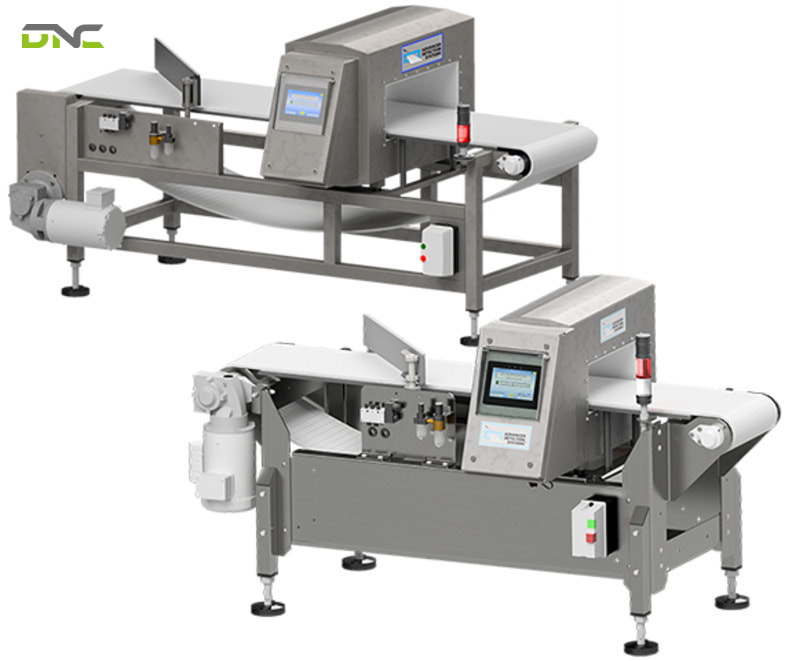
Conveyor configuration plays a critical role in detection accuracy, rejection reliability, and system synchronization.
Which Industries Commonly Use Conveyor Metal Detectors?
Conveyor metal detectors are widely adopted across industries where contamination control is critical.
- Food and beverage processing: Detecting metal fragments introduced during cutting, mixing, or packaging.
- Pharmaceutical manufacturing: Ensuring product purity and compliance with strict regulatory standards.
- Packaging and contract manufacturing: Protecting brand owners by verifying product integrity before shipment.
- Plastics and chemical processing: Preventing metal contamination from damaging extrusion or molding equipment.
- Recycling and bulk material handling: Removing metal contaminants to protect downstream processing machinery.
What Are Common Problems and Limitations of Conveyor Metal Detectors?
Despite their critical role in quality control, conveyor metal detectors have inherent challenges and limitations that must be managed through proper system design and operation.
- Product effect and false rejects: Products with high moisture, salt content, or temperature variation can generate electromagnetic signals similar to metal contamination. This “product effect” may lead to false rejects, reduced sensitivity, or the need to lower detection thresholds.
- Reduced sensitivity with large apertures: As detector aperture size increases to accommodate larger products, detection sensitivity decreases. Larger openings weaken the electromagnetic field, making it more difficult to detect small metal contaminants.
- Interference from surrounding equipment: Nearby motors, variable frequency drives, power cables, and metal structures can introduce electrical or magnetic interference. Without proper grounding and shielding, this interference may cause unstable detector performance.
- Limitations with metalized or foil packaging: Standard metal detectors struggle with products packaged in aluminum foil or metalized films. Specialized detection technologies are required, which may limit detection to certain metal types.
- Mechanical and calibration requirements: Conveyor metal detectors require regular calibration, test piece verification, and mechanical inspection. Belt wear, vibration, or misalignment can affect detection accuracy over time.
- Reject verification challenges: Ensuring that contaminated products are consistently and correctly removed can be difficult at high line speeds. Poorly synchronized reject mechanisms may allow contaminated products to remain on the line.
Understanding these limitations helps manufacturers set realistic performance expectations and design conveyor metal detection systems that maintain accuracy, compliance, and operational reliability over the long term.
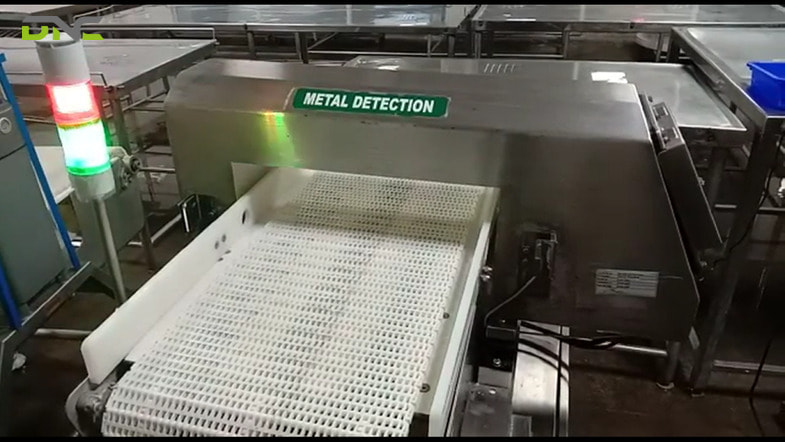
What Are Common Problems and Limitations of Conveyor Metal Detectors?
Why Choose DNC Automation for Conveyor Metal Detector System Integration?
Effective metal detection is not only about the detector itself, but how it functions within the entire production system.
- System-level conveyor and inspection integration expertise: DNC Automation evaluates metal detection as part of the complete material flow, considering upstream product behavior, downstream equipment sensitivity, and line control logic.
- Alignment between detection, rejection, and automation logic: Proper belt selection, speed stability, aperture sizing, and mechanical layout are critical for detection accuracy.
- Compliance-oriented design approach: Metal detectors are fully integrated with PLCs, HMIs, and line control systems, enabling accurate reject timing, alarm handling, and data exchange.
- Focus on long-term stability, accuracy, and maintainability: Beyond initial installation, DNC Automation emphasizes ease of maintenance, calibration accessibility, and system robustness.
DNC Automation approaches conveyor metal detection as a critical control function within automated production environments.
- 6 views
- 0 Comment
Recent Comments