



Heavy Duty Pallet Racking System: Load Specs & Industrial Guide
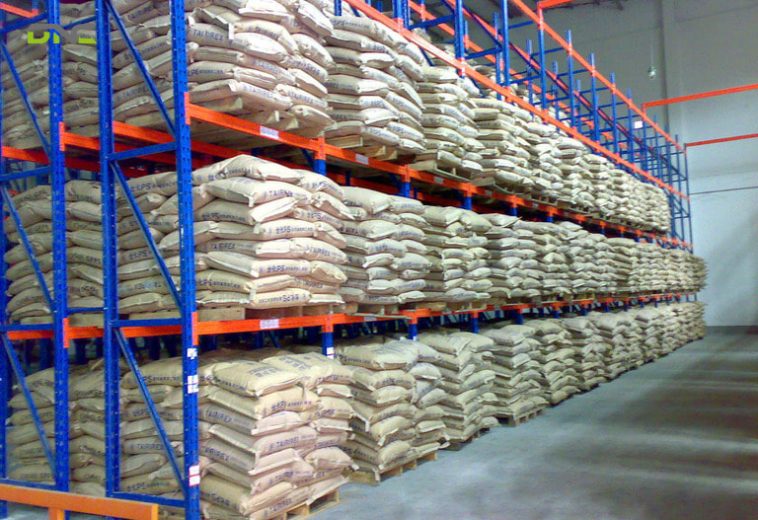
Heavy duty pallet racking systems handle loads that standard racking cannot support — with frame capacities reaching 30,000 kg and beam ratings exceeding 5,000 kg per pair. For Malaysian manufacturers storing steel coils, automotive components, machinery parts, building materials, and palletised heavy goods, heavy duty racking provides the structural integrity needed to store loads of 1,500–3,000+ kg per pallet safely and efficiently. This guide covers load classifications, steel specifications, structural engineering requirements, safety standards, and supplier evaluation criteria specific to heavy industrial applications. DNC Automation designs heavy duty storage solutions engineered to Malaysian manufacturing loads, building codes, and seismic conditions — with ISO 9001:2015 certified processes from design through installation.
What Is a Heavy Duty Pallet Racking System?
Heavy duty pallet racking is a classification of industrial storage racking engineered to support pallet loads exceeding 1,500 kg per beam level and frame loads exceeding 10,000 kg total. The term distinguishes these systems from light duty racking (boltless shelving for 100–300 kg per shelf) and medium duty racking (longspan shelving for 300–1,000 kg per shelf).
Heavy duty racking uses thicker steel gauges (2.0–2.5 mm column walls versus 1.5 mm for standard duty), wider column profiles (90 × 70 mm to 120 × 100 mm), heavier beam sections (box beams with 100–160 mm depth), and reinforced base plates with 4-bolt anchoring. These structural upgrades deliver the load-bearing capacity demanded by heavy manufacturing, steel distribution, automotive production, and industrial warehousing applications.
In the Malaysian market, heavy duty pallet racking is manufactured by local firms including TTF, SKB Shutters, and MR Space, and imported from international manufacturers like Mecalux, SSI Schaefer, AR Racking, and Dexion. The choice between local and imported systems depends on load requirements, height, and certification needs — local manufacturers handle standard heavy duty specifications competitively, while specialised high-bay or seismically rated systems may require international engineering.
Every heavy duty racking installation in Malaysia must comply with one of the recognised design standards: FEM 10.2.02 (European), EN 15512 (European), or AS 4084 (Australian — widely adopted in Malaysia). DNC Automation specifies compliance standard at the project design stage and verifies compliance through third-party structural calculation review.
How Does Heavy Duty Racking Differ from Standard Racking?
The distinction between heavy duty and standard duty racking lies in four engineering parameters: steel grade and thickness, column profile, beam section, and connection design.
Steel Specifications
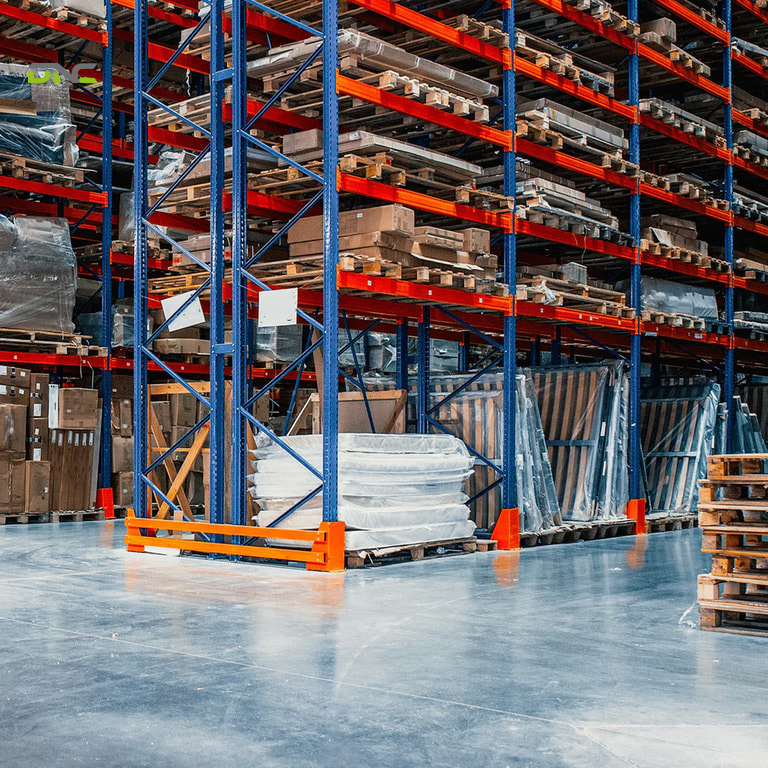
Heavy duty racking uses high-tensile structural steel — typically S355 grade (355 MPa yield strength) versus S275 (275 MPa) used in standard systems. This 29% increase in yield strength allows heavier loads per unit of steel weight. Column wall thickness increases from 1.5 mm (standard) to 2.0–2.5 mm (heavy duty), and column profiles widen from 70 × 50 mm to 90 × 70 mm or 120 × 100 mm.
Column and Frame Design
Heavy duty frames use thicker diagonal bracing (1.5–2.0 mm versus 1.2 mm), closer bracing spacing (every 400–500 mm versus 600–800 mm), and wider base plates (150 × 150 mm to 200 × 200 mm). These changes increase the frame’s resistance to lateral forces, axial compression, and accidental forklift impact — the three primary failure modes in industrial warehouse environments.
Frame load ratings:
| Classification | Frame Load | Column Gauge | Typical Height |
| Standard duty | 5,000–10,000 kg | 1.5 mm | 3–6 m |
| Heavy duty | 10,000–20,000 kg | 2.0 mm | 6–10 m |
| Extra heavy duty | 20,000–30,000 kg | 2.5 mm | 8–12+ m |
Beam Engineering
Heavy duty beams use deeper box profiles (120–160 mm depth versus 80–100 mm standard) with thicker steel (1.5–2.0 mm versus 1.2–1.5 mm). This increases bending resistance and raises the beam deflection capacity — critical for beams supporting 3,000–5,000 kg per pair.
Beam deflection limits remain at span/200 per EN 15512: a 2,700 mm beam under 5,000 kg load must not deflect more than 13.5 mm. Achieving this requires a beam section modulus proportional to the load increase — heavy duty beams deliver 2–3× the section modulus of standard beams.
Connection Design
Heavy duty beam-to-upright connectors handle higher shear forces. Standard connectors rate at 1,500–2,500 kg per end; heavy duty connectors rate at 3,000–5,000 kg per end. The connector hook profile is thicker (3–4 mm steel), and some heavy duty systems add bolted reinforcement to the hook-in connection for loads exceeding 4,000 kg per beam end.
How Does Heavy Duty Racking Differ from Standard Racking?
Types of Heavy Duty Racking Configurations
Heavy Duty Selective
Standard selective racking with heavy duty specifications — every position accessible from the aisle. This is the most common heavy duty configuration, accounting for approximately 70% of heavy duty installations in Malaysian warehouses.
Load range: 1,500–3,500 kg per beam level
Application: Multi-SKU heavy goods storage — automotive parts, electrical equipment, machinery components
Heavy Duty Drive-In
Drive-in racking with reinforced frames and support arms rated for heavy pallet loads. Frame gauge increases to 2.5 mm to withstand the combined static load and dynamic forklift impact within the structure.
Load range: 1,500–2,500 kg per pallet position
Application: Low-SKU heavy goods — steel stockholding, building materials, concrete products
Heavy Duty Double Deep
Double deep configuration with heavy duty frames supporting bidirectional beam loads from both rack faces. Requires heavy-rated deep-reach trucks with derated capacity sufficient for heavy pallets.
Load range: 1,500–2,500 kg per beam level
Application: Bulk storage of moderate-SKU heavy goods — food ingredients in 25 kg bags stacked to 1,200 kg pallets
Heavy Duty with Mezzanine
Rack-supported mezzanine platforms where the heavy duty racking structure supports elevated floor levels. The racking uprights serve dual duty: supporting both pallet storage and the mezzanine floor load. This configuration requires structural engineering calculations treating the racking as a building structure.
Floor load: 500–1,000 kg/m² on mezzanine levels
Application: Mixed storage-and-picking facilities, manufacturing with overhead workstation requirements
Extra Heavy Duty (30+ Tonnes)
Purpose-engineered racking for extreme loads: steel coils (2–10 tonnes per coil), machinery dies, industrial tooling, and construction equipment. Frame load capacity exceeds 30,000 kg. Custom column profiles, reinforced base plates, and seismically rated connections are standard.
Application: Steel service centres, heavy machinery manufacturing, die storage in automotive press shops
Key Components of Heavy Duty Racking
Upright Frames
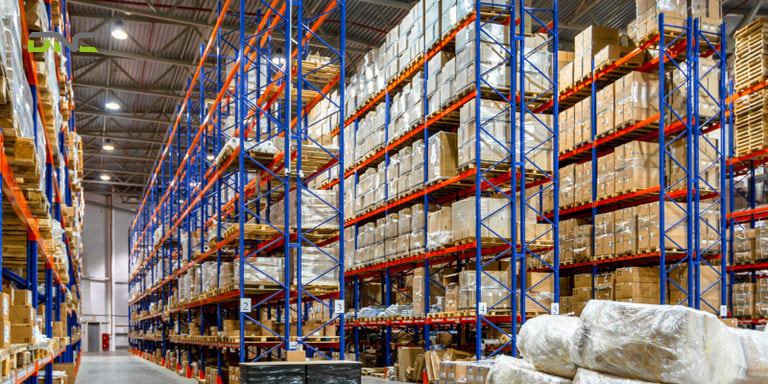
Column profiles: 90 × 70 mm (10,000–15,000 kg frame load) to 120 × 100 mm (20,000–30,000 kg). Bracing: diagonal + horizontal K-pattern at 400 mm spacing for seismic zones; X-pattern at 500 mm for standard zones. Base plates: 150 × 150 mm to 200 × 200 mm with 4-bolt chemical anchoring to 200 mm+ reinforced concrete slab.
Load Beams
Box beam profiles: 120 mm depth (3,000 kg/pair), 140 mm (4,000 kg/pair), 160 mm (5,000 kg/pair). Beam steel: 1.5–2.0 mm S355 grade. Connector type: heavy duty hook-in with safety pin; bolted reinforcement for loads above 4,000 kg/pair.
Column Guards and Impact Protection
Heavy duty facilities experience more severe forklift impacts due to the heavier loads being handled (higher forklift counterweights, larger trucks, higher inertia). Column guards must absorb 10–25 kN impact force — standard light-duty guards (5 kN rating) are inadequate.
Recommended: floor-mounted bollard-style column guards rated at 20–40 kN, positioned at every aisle end and every 5th upright along high-traffic aisles. DNC Automation specifies impact protection based on forklift fleet analysis — matching guard ratings to the impact energy of the heaviest truck operating in each aisle.
Wire Decking and Support Bars
Heavy duty wire decking rated at 1,500–3,000 kg per panel. Support bars (intermediate beam supports) add mid-span load points for beams carrying non-palletised heavy items — reducing effective beam span and increasing load capacity by 30–50%.
Load Signage
Mandatory per EN 15635 and DOSH guidelines. Every bay must display: maximum load per beam level, maximum load per bay, frame configuration, and date of last structural inspection. Heavy duty installations require larger, more visible signage — DNC Automation includes custom load signage as standard with every heavy duty project.
Key Components of Heavy Duty Racking
Applications in Malaysian Manufacturing
Automotive Parts and Components
Malaysian automotive manufacturers (Proton, Perodua, Honda, Toyota) and Tier-1 suppliers store heavy components: engine blocks (100–400 kg each), transmission cases, axle assemblies, body panels, and press dies (2,000–10,000 kg each). Heavy duty selective racking with 3,000–5,000 kg beam ratings serves the main storage zones; extra heavy duty die racks with custom cradles serve press shop tooling storage.
Steel and Metal Distribution
Steel service centres in Klang Valley, Johor, and Penang store steel plates, coils, bars, and profiles on heavy duty or cantilever racking. Pallet loads of 2,000–3,000 kg are standard; individual steel coils can weigh 5,000–10,000 kg requiring purpose-built coil cradles on extra heavy duty frames.
Building Materials
Manufacturers and distributors of cement, tiles, bricks, sanitary ware, and construction hardware handle heavy, dense products. Heavy duty selective racking supports pallet loads of 1,500–2,500 kg in standard configurations. Drive-in racking serves bulk storage of identical product lines (cement bags, tile pallets).
Electrical Equipment and Machinery
Manufacturers of transformers, switchgear, motors, and industrial equipment store heavy finished goods and work-in-progress. DNC Automation has designed heavy duty racking for electrical equipment manufacturers in Selangor — with custom beam spacings accommodating non-standard product dimensions and weights up to 3,500 kg per position.
Heavy Manufacturing (General)
Any manufacturing operation handling products above 1,500 kg per pallet — rubber products, glass, ceramics, industrial chemicals in drums, petrochemical products — requires heavy duty racking to store safely and efficiently.
Benefits for Malaysian Heavy Industry
Safe storage of heavy loads. Heavy duty racking engineered to EN 15512 or AS 4084 standards ensures structural safety margins of 1.5–2.0× rated load. Standard racking loaded beyond its capacity fails catastrophically — a risk that heavy duty specifications eliminate.
Vertical storage for heavy goods. Floor stacking heavy pallets wastes floor area and creates safety hazards (unstable stacks, crush zone risks). Heavy duty racking stores 3–5 levels high, recovering 200–400% of floor-level storage capacity.
Reduced product damage. Defined racking positions prevent pallet-on-pallet damage from stacking. Heavy items are particularly susceptible to stacking damage — crushed packaging, deformed products, and safety incidents from toppled stacks.
DOSH compliance. Malaysian workplace safety regulations require engineered storage solutions for loads exceeding rated manual handling limits. Heavy duty racking with proper load signage, column protection, and annual inspections meets DOSH compliance requirements.
Insurance cost reduction. Warehouses with engineered racking systems, documented load ratings, and regular inspection programs may qualify for lower property insurance premiums — insurers recognise the reduced risk of racking collapse and inventory damage.
How to Specify Heavy Duty Racking
Step 1: Define Maximum Pallet Weight
Determine the heaviest pallet load the system must support — including product weight + pallet weight + packaging. Add a 10–15% safety margin for operational variation. Example: product weight 1,200 kg + pallet 25 kg + packaging 75 kg = 1,300 kg × 1.15 safety factor = 1,495 kg → specify 1,500 kg per beam level minimum.
Step 2: Select Frame Gauge
Match frame gauge to total frame load. Sum all beam level loads on a single frame × number of levels. A frame supporting 4 levels at 3,000 kg/level = 12,000 kg → specify frames rated at minimum 15,000 kg (25% margin).
Step 3: Verify Floor Slab Capacity
Heavy duty racking transmits concentrated point loads through base plates to the floor slab. Calculate point load per base plate: frame load ÷ 2 base plates = 7,500 kg per base plate for a 15,000 kg frame. Floor slab must handle this point load without cracking or settling — typically requiring 200 mm+ reinforced concrete rated at 50+ kN/m².
Step 4: Specify Safety Accessories
Column guards rated for the forklift fleet in use (calculate impact energy from truck weight × typical aisle speed). Beam safety clips on every beam-to-upright connection. Anti-collapse mesh on rear of racks facing personnel areas. Load signage at every bay.
Step 5: Engage Third-Party Structural Review
For heavy duty installations exceeding 8 m height or 20,000 kg frame load, engage a structural engineer to review the racking design calculations. DNC Automation commissions third-party structural reviews for all heavy duty projects as standard practice — providing documented assurance that the racking system meets the specified design standard.
How to Specify Heavy Duty Racking
FAQ — Heavy Duty Pallet Racking System
What qualifies as heavy duty pallet racking?
Heavy duty pallet racking supports beam loads exceeding 1,500 kg per pair and frame loads exceeding 10,000 kg total. It uses thicker steel (2.0–2.5 mm column gauge versus 1.5 mm standard), wider column profiles, deeper beam sections, and reinforced connections. The classification matters because using standard-duty racking for heavy loads creates structural failure risk — potentially catastrophic collapse under load.
How much weight can heavy duty racking hold?
Standard heavy duty racking supports 1,500–5,000 kg per beam pair and 10,000–30,000 kg per frame depending on steel gauge, profile size, and height configuration. Extra heavy duty systems (custom-engineered for steel coils, dies, and machinery) exceed 30,000 kg per frame. Always reference the manufacturer’s published load table for the specific frame-height and beam-span combination.
What is the cost of heavy duty racking in Malaysia?
Heavy duty selective racking costs RM 500–900 per pallet position — 30–50% more than standard duty due to heavier steel. Extra heavy duty (30,000 kg+ frames) costs RM 800–1,500 per position. Installation costs 15–20% additional. A 1,000-position heavy duty selective system costs RM 600,000–1,100,000 fully installed. Column guards, wire decking, and safety accessories add 10–15%.
What floor thickness does heavy duty racking need?
Heavy duty racking requires a minimum 200 mm reinforced concrete floor slab rated at 50 kN/m² (5 tonnes/m²) point load. Extra heavy duty systems may require 250 mm+ slabs with additional reinforcement at base plate locations. Floor slab adequacy should be verified by a structural engineer before installation — DNC Automation includes floor assessment in every heavy duty project scope.
What safety standards apply to heavy duty racking in Malaysia?
Heavy duty racking in Malaysia must comply with one of: FEM 10.2.02 (European racking standard), EN 15512 (design calculation standard), or AS 4084 (Australian standard, widely adopted locally). DOSH guidelines require load signage at every bay, annual structural inspections, and column protection at aisle ends. Bomba (Fire & Rescue) regulations apply to sprinkler clearance and fire access within racking blocks.
How is heavy duty racking different from cantilever racking?
Heavy duty pallet racking stores palletised loads on horizontal beams between vertical frames — standard rectangular bay configuration. Cantilever racking uses horizontal arms extending from vertical columns without front uprights — designed for long, bulky items (steel bars, timber, pipes) that cannot fit within standard bay dimensions. Both can be heavy duty; the choice depends on load geometry rather than weight alone.
How often should heavy duty racking be inspected?
EN 15635 recommends: weekly visual checks by trained staff (forklift damage, displaced clips, overloaded bays); quarterly documented inspections using a traffic-light damage rating system; and annual expert inspections by a qualified racking safety inspector. Heavy duty installations warrant more frequent inspection than standard systems because the consequences of failure at higher loads are more severe. DNC Automation provides post-installation inspection training and annual inspection services.
Conclusion
Heavy duty pallet racking systems provide the structural foundation for storing Malaysia’s heaviest manufacturing inventory — from automotive components and steel products to building materials and industrial machinery. The engineering specifications, steel grades, and safety standards that differentiate heavy duty from standard racking are not optional upgrades; they are structural necessities that prevent catastrophic failure when handling loads above 1,500 kg per pallet.
DNC Automation engineers heavy duty racking solutions calibrated to your specific load requirements, facility constraints, and safety standards. Our ISO 9001:2015 processes, in-house engineering team of 35+ specialists, and 25,000 sq ft production facility ensure every heavy duty installation is designed, fabricated, and installed to perform safely under full rated load for 15–25 years.
- 6 views
- 0 Comment
Recent Comments