


Conveyor Gearbox: Essential Guide for Efficient Conveyor Systems
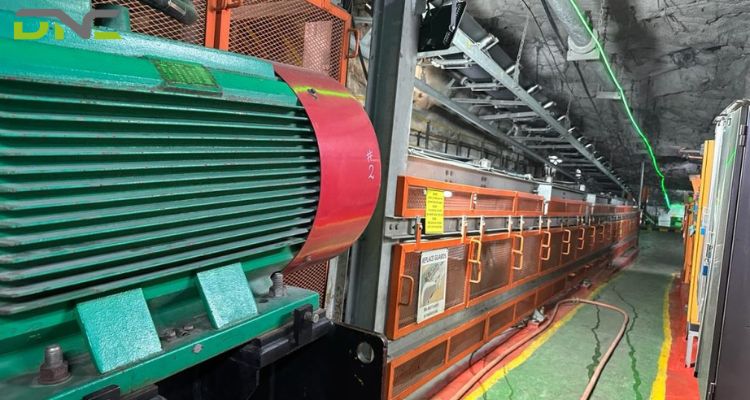
In automated conveyor systems, performance issues such as uneven speed, excessive vibration, frequent breakdowns, and high energy consumption often trace back to one critical component: the gearbox. Choosing the wrong conveyor gearbox can lead to reduced efficiency, higher maintenance costs, and unexpected downtime that disrupts production flow. Engineers and system owners increasingly demand gearbox solutions that deliver reliable torque, precise speed control, and long service life under continuous operation.
Understanding how conveyor gearboxes work, the different types available, and how to select the right one is essential for building conveyor systems that operate smoothly, efficiently, and reliably in demanding industrial environments.
What Is a Conveyor Gearbox?
A conveyor gearbox is a mechanical transmission device designed to regulate speed and multiply torque between an electric motor and a conveyor system. It ensures the conveyor belt, rollers, or chain move at a controlled speed while handling varying loads efficiently. By converting high-speed, low-torque motor output into low-speed, high-torque motion, the gearbox protects the motor from overload and enhances system stability.
Conveyor gearboxes are engineered to operate continuously under heavy loads, making them essential for material handling, warehouse automation, manufacturing lines, and bulk conveying applications where precision and durability are critical.
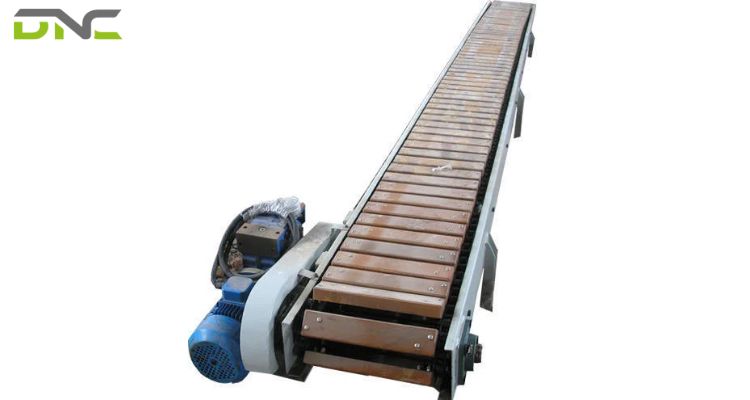
How a Conveyor Gearbox Works in Conveyor Systems
Conveyor gearboxes play a central role in power transmission, ensuring consistent movement across the conveyor line. Their operation directly impacts system efficiency, load handling, and operational lifespan.
To better understand this, it is important to examine how gearboxes interact with motors, conveyor loads, and operating conditions across different applications.
Power Transmission and Speed Control
- The gearbox receives rotational power from the motor and reduces the motor’s speed to match conveyor requirements.
- This speed reduction allows conveyors to move products smoothly, preventing slippage, misalignment, or sudden acceleration.
- Controlled speed is especially important for automated sorting, packaging, and assembly processes.
Torque Amplification for Load Handling
- Conveyor systems often carry heavy or uneven loads that exceed the motor’s direct torque capability.
- The gearbox multiplies torque, enabling the conveyor to start, stop, and run under load without stressing the motor.
- Higher torque capacity improves system reliability during peak load conditions.
System Protection and Stability
- Gearboxes absorb mechanical shock and reduce vibration caused by load fluctuations.
- This protection minimizes wear on conveyor components such as belts, chains, and bearings.
- Improved stability translates into longer service life and reduced maintenance frequency.
Common Types of Conveyor Gearboxes
Different conveyor applications require different gearbox designs. Each type offers specific advantages depending on load, space, efficiency, and operating conditions.
Helical Gearbox
Helical gearboxes are widely used in conveyor systems due to their high efficiency and smooth operation. The angled gear teeth allow gradual engagement, reducing noise and vibration while handling medium to high loads. They are suitable for continuous-duty conveyors requiring consistent performance and long service life.
Worm Gearbox
Worm gearboxes are compact and provide high reduction ratios in a small footprint. They are commonly used where space is limited and self-locking is required. However, they typically offer lower efficiency compared to helical designs, making them more suitable for light to moderate conveyor loads.
Bevel Gearbox
Bevel gearboxes transmit power between shafts at right angles, making them ideal for conveyors with directional changes. They offer good torque capacity and efficiency, supporting applications where layout flexibility is critical.
Planetary Gearbox
Planetary gearboxes deliver very high torque density and excellent load distribution. Their compact design and high efficiency make them suitable for heavy-duty conveyor systems operating under high load and frequent start-stop cycles.
Conveyor Gearbox Applications in Automation Systems
Conveyor gearboxes are used across a wide range of automated industries, supporting reliable material flow and precise movement.
Their adaptability allows them to meet the demands of different automation scenarios.
Warehouse and Distribution Systems
- Gearboxes support long conveyor lines with consistent speed.
- They enable smooth accumulation and sorting of goods.
- Reliability reduces downtime in high-throughput environments.
Manufacturing and Assembly Lines
- Precise speed control ensures accurate positioning and timing.
- Gearboxes handle repetitive motion and continuous operation.
- Stable performance supports automated production processes.
Bulk Material Handling
- High torque gearboxes manage heavy loads and inclined conveyors.
- They withstand shock loads and fluctuating material flow.
- Durable construction minimizes maintenance in demanding conditions.
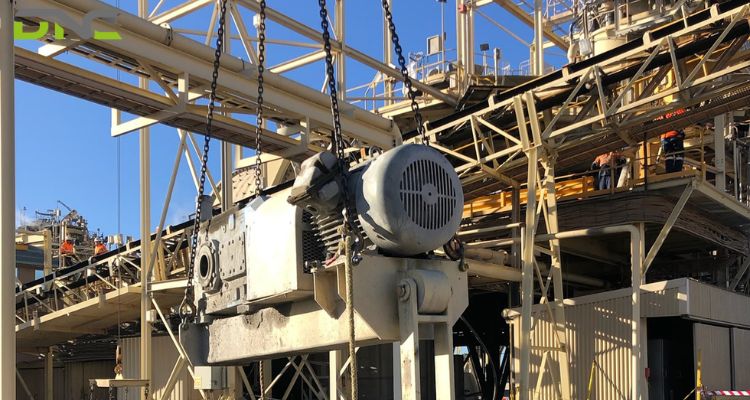
Conveyor Gearbox Types Comparison
Understanding the differences between gearbox types helps decision-makers choose the most suitable option for their conveyor system.
| Comparison Criteria | Helical Gearbox | Worm Gearbox | Bevel Gearbox | Planetary Gearbox |
|---|---|---|---|---|
| Efficiency | High | Moderate to Low | High | Very High |
| Torque Capacity | High | Moderate | High | Very High |
| Noise Level | Low | Moderate | Low | Very Low |
| Space Requirement | Moderate | Compact | Moderate | Compact |
| Typical Applications | Continuous conveyors | Light-duty systems | Direction change conveyors | Heavy-duty automation |
Is DNC Automation the Right Partner for Your Conveyor Gearbox?
Choosing the right conveyor gearbox is not only about selecting a component but about ensuring system-level performance and reliability. DNC Automation is a trusted partner with deep expertise in conveyor systems and industrial automation. By understanding real operational requirements, DNC Automation provides tailored gearbox solutions that match load conditions, efficiency goals, and long-term reliability expectations. From system design to component selection and integration, DNC Automation helps businesses achieve stable, efficient, and scalable conveyor operations.
If you are planning to upgrade or design a conveyor system, selecting the right conveyor gearbox is critical to long-term success. Contact DNC Automation now to receive expert consultation and reliable solutions tailored to your conveyor system requirements.
- 104 views
- 0 Comment
Recent Comments