



Conveyor Wheels for Efficient Material Handling Systems
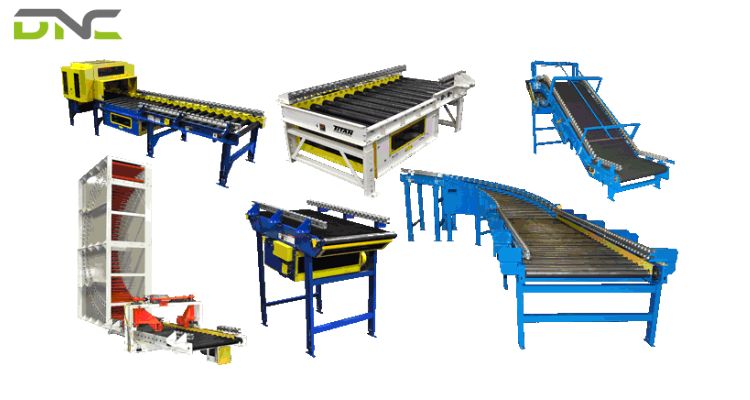
In material handling operations, inefficient product flow, excessive manual handling, and frequent conveyor downtime can significantly impact productivity and operational costs. Many facilities struggle to select the right conveyor components that balance load capacity, durability, and system efficiency. Conveyor wheels play a critical role in ensuring smooth movement, controlled flow, and reliable performance within conveyor systems. Choosing the wrong wheel type can result in increased friction, uneven product transfer, or premature system wear. This guide provides a clear, practical understanding of conveyor wheels, helping system designers and operators select the right solution to support efficient, scalable, and reliable material handling operations.
What Are Conveyor Wheels?
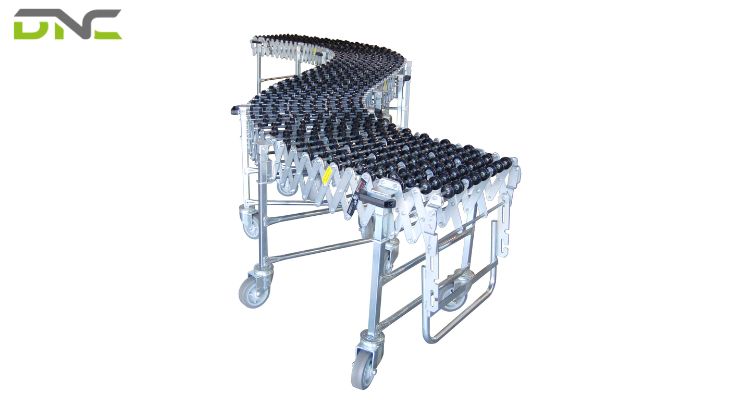
Conveyor wheels are rotating components designed to support and guide products as they move along a conveyor system, particularly in gravity and skate wheel conveyors. Unlike full conveyor rollers, conveyor wheels are typically smaller in diameter and mounted individually on axles, allowing items to move smoothly with minimal resistance. They are commonly used for carton handling, order picking, sorting, and accumulation zones. Conveyor wheels enable flexible product flow, directional changes, and efficient transfer without continuous motorized drive, making them a practical solution for reducing energy consumption and simplifying conveyor layouts.
Common Types of Conveyor Wheels
Different operational requirements demand specific conveyor wheel designs. Understanding the most common types helps ensure optimal performance, load handling, and durability across various material handling applications.
Steel Conveyor Wheels
Steel conveyor wheels are designed for heavy-duty applications where high load capacity and impact resistance are required. They perform well in industrial environments handling rigid cartons, totes, or metal components. Steel construction provides excellent durability and long service life.
Plastic Conveyor Wheels
Plastic conveyor wheels are lightweight and corrosion-resistant, making them suitable for light to medium loads. They are commonly used in packaging lines and distribution centers where quiet operation and low friction are essential.
Nylon Conveyor Wheels
Nylon conveyor wheels offer a balance between strength and noise reduction. They provide higher load capacity than standard plastic wheels while maintaining smooth and consistent movement, ideal for mixed-load handling systems.
Polyurethane-Coated Conveyor Wheels
These wheels feature a durable coating that improves grip and reduces product slippage. They are often selected for inclined sections or controlled-flow applications where stable product movement is required.
Key Components and Design Features of Conveyor Wheels
The performance of conveyor wheels depends not only on material choice but also on their internal components and design characteristics.
- Wheel Diameter: Larger wheel diameters reduce rolling resistance and improve product flow, especially for heavier loads. Smaller diameters are suitable for compact systems handling lightweight cartons.
- Bearing Type Bearings directly affect smoothness and durability. Precision ball bearings minimize friction and extend service life in high-cycle operations, while plain bearings are suitable for low-duty applications.
- Axle Configuration: Fixed or spring-loaded axles influence installation flexibility and load distribution. Proper axle selection ensures stable wheel alignment and consistent performance.
- Surface Finish: The wheel surface impacts noise level, grip, and wear resistance. Smooth finishes promote quiet operation, while textured surfaces improve product control.
Applications of Conveyor Wheels in Material Handling Systems
Conveyor wheels are widely used across different material handling environments due to their flexibility and efficiency.
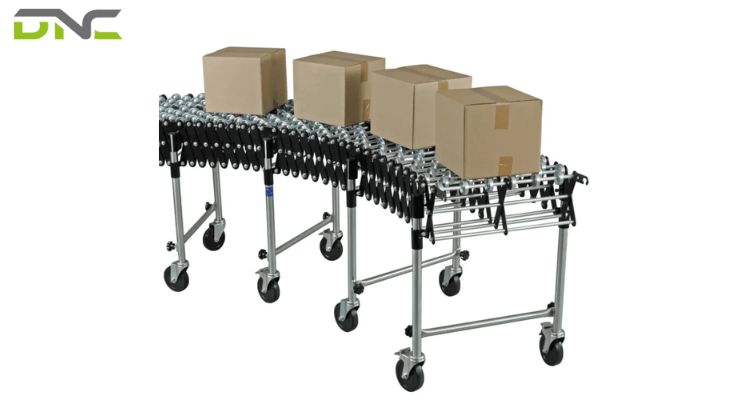
- Gravity Conveyor Systems: Conveyor wheels allow products to move using gravity, reducing energy consumption and simplifying system design for manual or semi-automated operations.
- Carton and Tote Handling: They support smooth transport of cartons and totes in sorting, packing, and order fulfillment processes, improving workflow efficiency.
- Accumulation and Buffer Zones Conveyor wheels help manage product flow by allowing controlled accumulation without excessive pressure or damage.
- Transfer and Merge Sections: Wheels enable seamless transitions between conveyor lines, reducing product jams and misalignment.
How to Choose the Right Conveyor Wheels
Selecting the correct conveyor wheels is essential for system reliability and long-term performance.
- Load Capacity Requirements: Always match wheel load ratings with maximum product weight to prevent deformation and premature failure.
- Product Characteristics: Consider carton size, bottom surface, and rigidity to ensure consistent rolling and stability.
- Operating Environment: Temperature, moisture, and dust levels affect material selection and bearing performance.
- Throughput and Duty Cycle: High-volume operations require wheels designed for continuous use with minimal maintenance.
Conveyor Wheels vs Conveyor Rollers: Key Differences
Although often confused, conveyor wheels and conveyor rollers serve different purposes within conveyor systems.
| Comparison Criteria | Conveyor Wheels | Conveyor Rollers |
|---|---|---|
| Size | Small diameter, individual units | Larger diameter, full-width rollers |
| Load Capacity | Light to medium loads | Medium to heavy loads |
| Common Use | Gravity conveyors, transfers | Belt and roller conveyors |
| Flexibility | High layout flexibility | Fixed conveyor structure |
| Energy Use | Often gravity-driven | Can be motorized or gravity-driven |
Benefits of Using Conveyor Wheels in Automated Systems
When integrated correctly, conveyor wheels provide measurable operational advantages.
- Reduced Energy Consumption: Gravity-based movement minimizes reliance on motors and drives, lowering operating costs.
- System Flexibility: Conveyor wheels allow easy layout changes, curves, and merges without complex mechanical redesign.
- Lower Maintenance Requirements: Fewer moving parts result in reduced wear and simplified maintenance routines.
- Improved Product Flow Control: Proper wheel selection ensures consistent movement, minimizing jams and product damage.
Why DNC Automation Is a Trusted Partner for Conveyor Wheels Solutions
DNC Automation provides end-to-end expertise in designing, supplying, and integrating conveyor wheels within automated material handling systems. By combining technical knowledge with practical system experience, DNC Automation ensures each solution meets performance, durability, and efficiency requirements.
From component selection to system optimization, every conveyor wheel solution is engineered to support smooth operation, reduced downtime, and long-term reliability across diverse industrial applications.
- 9 views
- 0 Comment
Recent Comments