



Motorized Conveyor Design and Operation in Automated Production Lines
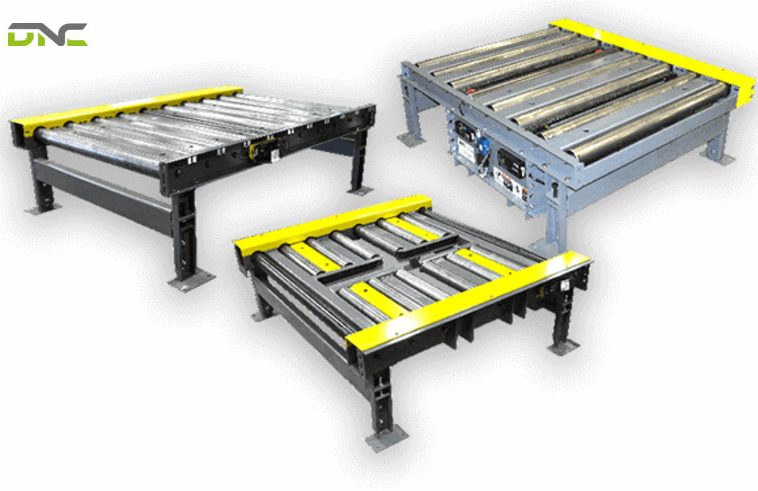
Motorized conveyors are a core component of modern material handling and automated production systems. By providing controlled, powered movement, they enable consistent material flow, system synchronization, and reliable integration with automation technologies.\
What Is a Motorized Conveyor and How Does It Work?
A motorized conveyor is a conveyor system that uses an electric motor to drive the movement of materials along a defined path. Unlike gravity-based conveyors, motorized conveyors actively control speed, direction, and flow, making them suitable for automated and high-throughput industrial environments.
A typical motorized conveyor operates through a power transmission chain that includes:
- An electric motor generating rotational force
- A gearbox or drive mechanism adjusting speed and torque
- A driving element such as a pulley, roller, chain, or screw
- A conveyor surface that carries the material
By converting electrical energy into controlled mechanical motion, motorized conveyors enable precise, repeatable material transport across production and logistics systems.
Why Are Motorized Conveyors Widely Used in Industrial Automation?
Motorized conveyors are widely adopted because they provide control, consistency, and scalability, which are essential for automation.
Key reasons include:
- Ability to maintain constant speed regardless of load variation
- Reduced reliance on manual handling
- Improved synchronization between machines
- Higher throughput and process stability
In automated environments, predictable material flow is critical. Motorized conveyors deliver this predictability, making them a foundational element of modern industrial automation systems.
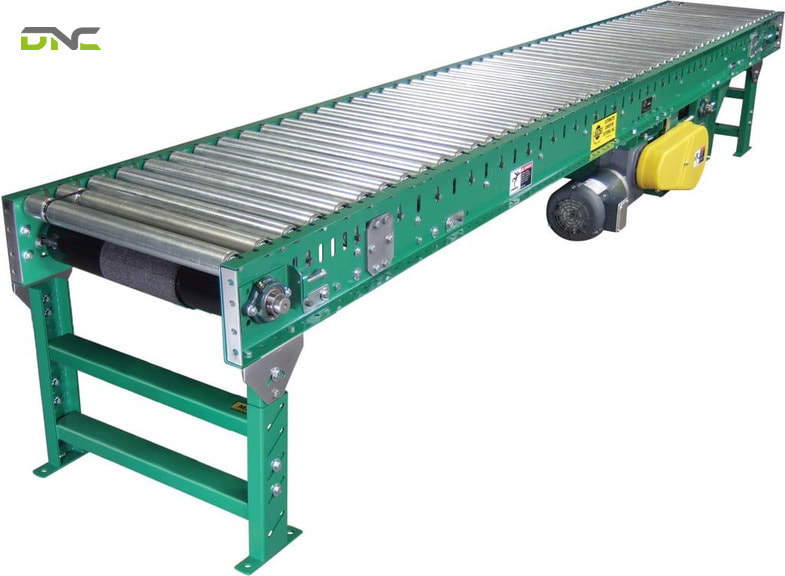
Motorized conveyors are widely adopted because they provide control, consistency, and scalability, which are essential for automation.
What Are the Main Types of Motorized Conveyors?
Motorized conveyors come in several configurations, each optimized for specific material characteristics and operational needs.
- Motorized belt conveyors: Use a continuous belt driven by a motorized pulley or gearbox. They are suitable for transporting a wide range of products, including packaged goods, bulk items, and irregular shapes.
- Motorized roller conveyors: Use powered rollers to move products. They are commonly used for cartons, pallets, and unit loads in logistics and distribution centers.
- Motorized chain conveyors: Use chains driven by motors to move heavy or rigid loads. These are often found in automotive and heavy manufacturing environments.
- Motorized screw conveyors: Use a rotating screw to move bulk materials within a closed trough. They are ideal for powders, granules, and semi-solid materials.
Each type balances load capacity, control, and system complexity differently.
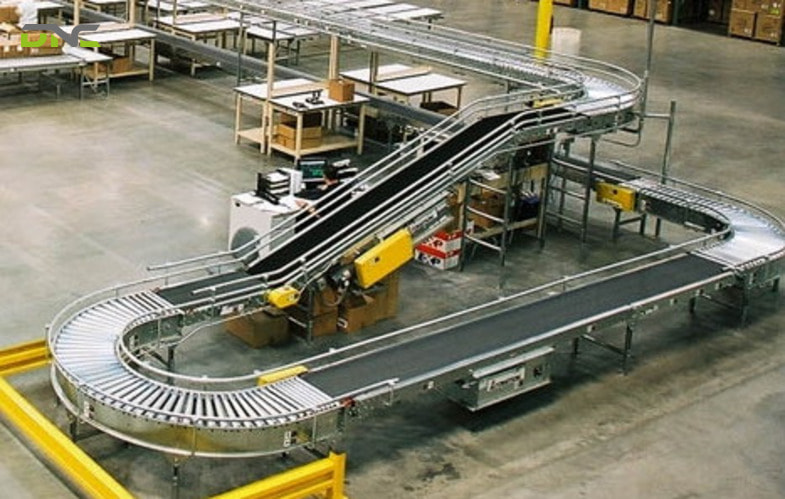
Motorized conveyors come in several configurations, each optimized for specific material characteristics and operational needs.
How Are Motorized Conveyors Classified by Drive Method?
Motorized conveyors can also be classified by how power is transmitted to the conveying surface.
- Direct drive conveyors: In direct drive systems, the motor is coupled directly to the drive pulley or roller without intermediate components such as chains or belts. This minimizes mechanical losses, reduces noise, and improves energy efficiency.
- Gear motor–driven conveyors: Gear motor–driven conveyors use a gearbox between the motor and the drive element to modify speed and increase torque. This configuration provides greater adaptability for varying load weights, conveyor lengths, and incline angles.
- Drum motor conveyors: Drum motor conveyors integrate the motor and gearbox inside the drive pulley itself. This sealed, compact design protects internal components from dust, moisture, and contamination, making it ideal for food processing, pharmaceuticals, and clean environments.
- Line-shaft driven conveyors: Use a single motor to drive multiple rollers via shafts and belts, commonly used in medium-duty roller conveyor systems.
Each drive method represents a balance between efficiency, torque control, maintenance complexity, and system scalability. Selecting the appropriate drive method requires evaluating not only the conveyor itself but also the broader production or logistics system in which it operates.
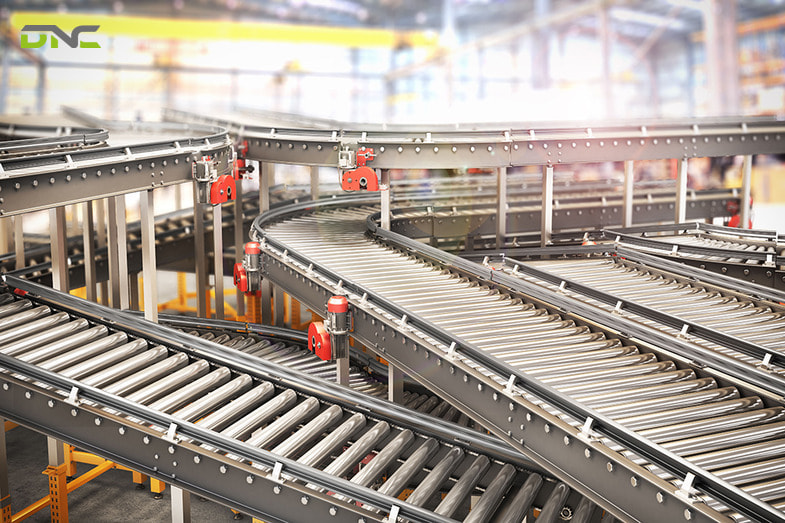
Motorized conveyors can also be classified by how power is transmitted to the conveying surface.
Which Industries Commonly Use Motorized Conveyors?
Motorized conveyors are essential across industries that require controlled and continuous material movement:
- Manufacturing and assembly lines rely on them for synchronized production flow.
- Logistics and warehousing use them for sorting, accumulation, and distribution.
- Food and beverage processing depends on controlled speed and hygiene-compatible designs.
- Packaging operations require consistent feeding into automated machines.
- Automotive and heavy industry use motorized conveyors for high-load and precision positioning tasks.
Across these sectors, motorized conveyors improve productivity and operational consistency.
What Are Common Problems and Limitations of Motorized Conveyors?
Motorized conveyors provide controlled and reliable material movement, but they also present several common challenges that must be addressed during design and operation.
- Motor overload and overheating: Undersized motors, unexpected load increases, or frequent start–stop cycles can cause thermal stress, reducing motor lifespan and leading to unplanned downtime.
- Flow imbalance between conveyor sections: Inconsistent speed coordination can result in product accumulation, jams, or machine starvation, negatively impacting overall line efficiency.
- Mechanical wear and maintenance demands: Gearboxes, belts, chains, and bearings experience gradual wear, especially in high-duty or harsh environments, increasing maintenance frequency and system downtime.
- Energy inefficiency under variable loads: Constant-speed operation and poor drive selection can lead to unnecessary energy consumption, particularly in systems with fluctuating throughput.
- Control and integration complexity: As conveyors integrate with PLCs, sensors, and safety systems, poorly designed logic can cause unstable operation or delayed system responses.
These limitations highlight the importance of system-level design and proper integration to ensure long-term performance and operational stability.
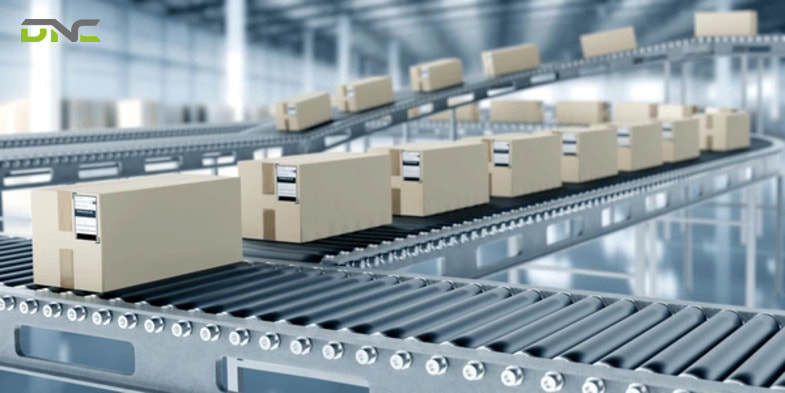
What Are Common Problems and Limitations of Motorized Conveyors?
Why Choose DNC Automation for Motorized Conveyor System Design?
DNC Automation approaches motorized conveyors as integrated automation assets, not standalone equipment.
Key strengths include:
- System-level conveyor and automation engineering
- Precise motor and drive selection based on real load data
- Experience integrating conveyors with PLCs, robotics, and control systems
- Focus on long-term stability, efficiency, and maintainability
This approach ensures motorized conveyor systems that perform reliably within complex production environments.
- 3 views
- 0 Comment
Recent Comments