



Step-by-Step Packaging Automation Setup: A Complete Guide by DNC Automation
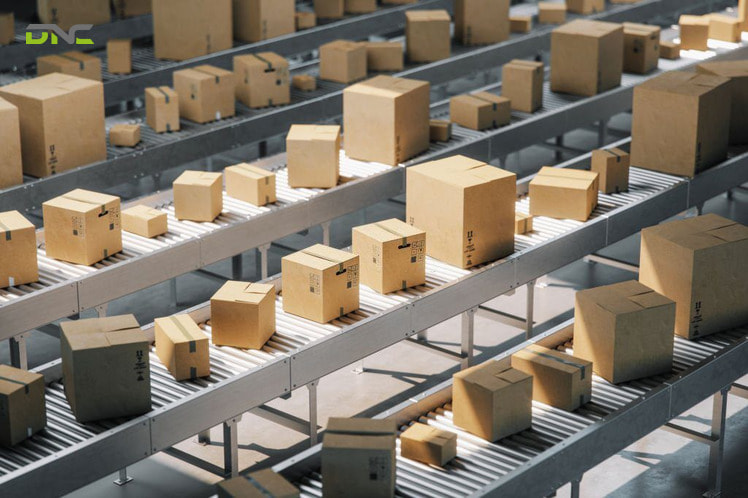
This guide walks you through the complete packaging automation setup, from initial assessment to real-world implementation. Whether you’re upgrading an existing line or building a new one, DNC Automation delivers the expertise, technology, and end-to-end support to help you build a smarter, more efficient packaging process — perfectly tailored to your production goals.
What Is Packaging Automation and Why Does It Matter?
Packaging automation refers to the use of machinery, control systems, and smart technologies to perform packaging tasks — from filling, sealing, and labeling to cartoning and palletizing — with minimal human intervention.
In traditional manual lines, operators handle multiple repetitive tasks, leading to inconsistencies, higher labor costs, and slower output. Automation transforms this process by integrating conveyors, robotic arms, PLC control, and sensors into a synchronized system that performs each function with precision and speed.
For manufacturers, the benefits are clear:
- Higher productivity through continuous, 24/7 operation
- Reduced labor dependency and minimized human error
Improved product consistency and quality assurance - Lower long-term operating costs and faster return on investment
However, setting up a packaging automation system isn’t just about purchasing machines. It’s about building a connected ecosystem — one where mechanical design, electrical control, software programming, and process optimization come together to deliver seamless performance.
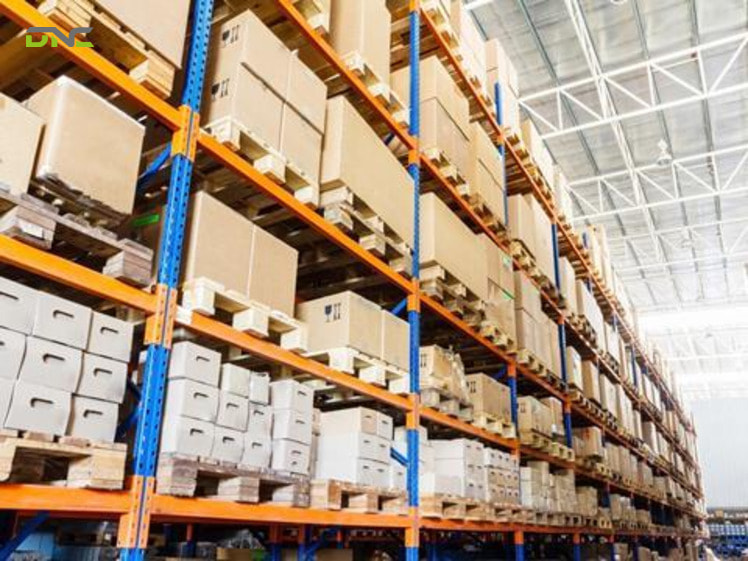
Packaging automation refers to the use of machinery, control systems, and smart technologies to perform packaging tasks
What Should You Prepare Before Automating Your Packaging Line?
Before starting your automation journey, proper preparation ensures your system is efficient, scalable, and aligned with business goals. Here’s what to consider:
- Assess the Current Production Line: Analyze your existing setup: identify bottlenecks, repetitive manual tasks, and points of error. Understanding the current workflow helps determine which areas should be automated first for the best ROI.
- Define Clear Objectives: Set measurable automation goals — such as increasing output speed, reducing workforce dependency, improving packaging accuracy, or achieving traceability.
- Plan Budget & ROI EstimationEstimate your investment and calculate expected returns. While automation may require upfront costs, the long-term savings in labor and waste often justify the expense.
- Analyze Product & Packaging Requirements: Evaluate the characteristics of your packaging: dimensions, materials, sealing methods, and labeling needs. These details directly affect equipment selection and line configuration.
- Choose the Right Automation Partner: Collaborate with an experienced system integrator like DNC Automation — who can analyze, design, and implement a turnkey solution tailored to your process, ensuring reliability, compliance, and technical support from start to finish.
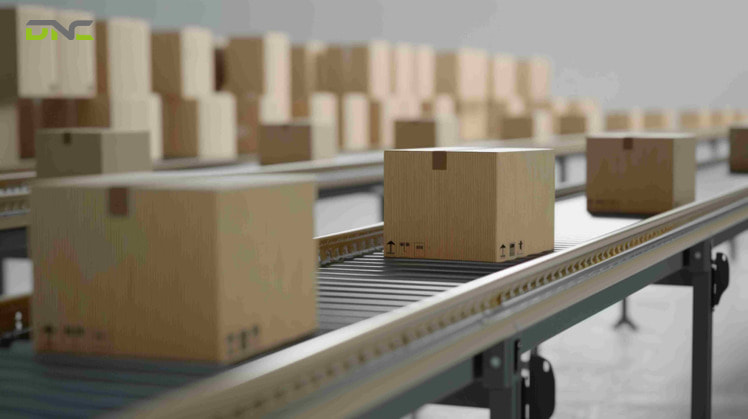
Before starting your automation journey, proper preparation
Step 1 – How Do You Design the Packaging Automation Layout?
Every efficient automation line starts with a solid design. The first step is to analyze the current workflow and map out which processes can be automated.
The layout design should optimize space, product flow, and safety. This includes the strategic placement of:
- Conveyors to transfer products smoothly between stages.
- Robots or pick-and-place units for loading, packing, or palletizing.
- Inspection and labeling stations placed at key checkpoints.
Using CAD modeling or 3D simulation, engineers can visualize the system in a virtual environment, test throughput rates, and predict possible bottlenecks — ensuring the physical implementation runs efficiently and safely.
Step 2 – How Do You Select the Right Equipment and Technologies?
Choosing the right machines is critical to achieving smooth integration and long-term performance. Your automation line may include:
- Conveying Systems: Move products between stations efficiently and consistently.
- Filling, Sealing, and Labeling Machines: Ensure precise dosage, airtight sealing, and accurate labeling.
- Cartoning & Palletizing Systems: Automate product boxing, stacking, and wrapping.
- Inspection Systems: Use sensors, weight checkers, and vision cameras to detect defects or missing components.
Supporting technologies such as robotic arms, servo drives, and vision systems bring added flexibility and intelligence to your packaging line.
When selecting equipment, consider:
- The speed and capacity requirements of your production.
- Material compatibility (for films, cartons, bottles, etc.).
- Ease of integration with your PLC or SCADA system.
- After-sales service and spare parts availability.
Partnering with DNC Automation ensures your equipment is chosen and configured for maximum compatibility, safety, and performance.
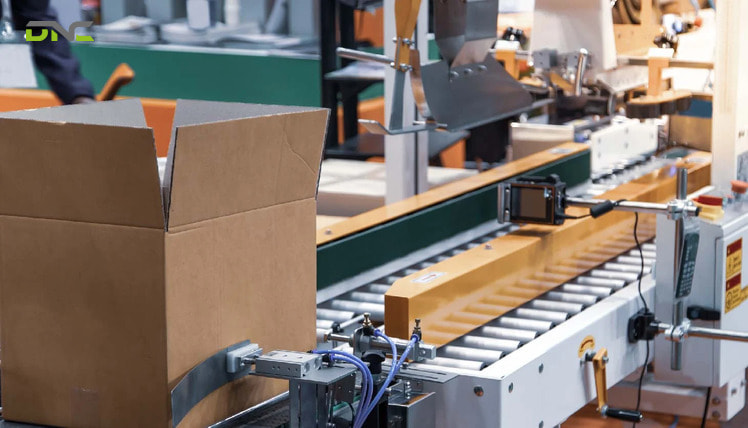
Step 2 – How Do You Select the Right Equipment and Technologies?
Step 3 – How Is PLC and Control System Integration Implemented?
The PLC (Programmable Logic Controller) serves as the central control unit for your packaging automation system. It connects and synchronizes all field devices — sensors, motors, actuators, and robotic systems — to ensure the line operates as a single, unified process.
Integration involves:
- Establishing connections between devices via industrial communication networks such as Ethernet/IP, PROFINET, or Modbus.
- Programming PLC logic to handle real-time decisions, safety interlocks, and process sequences.
- Linking the PLC to HMI/SCADA systems for visual monitoring, data logging, and remote access.
Well-structured PLC programming allows for easy adjustments, system scalability, and quick troubleshooting. DNC Automation’s control engineers specialize in building flexible PLC architectures that grow with your production needs.
Step 4 – How Do You Test and Calibrate the Automation System?
Once the installation is complete, the system enters the testing and calibration phase, where every component is fine-tuned to ensure flawless performance.
This process includes:
- Dry Run Testing: Operating the system without products to verify mechanical alignment and sequence timing.
- Calibration: Adjusting speed, pressure, temperature, and alignment to match product specifications.
- Performance Validation: Running real products under production conditions to ensure consistency and safety.
Comprehensive testing guarantees that the entire system operates at optimal speed and accuracy — meeting both safety standards and production quality targets before full operation.
Step 5 – How Do You Train Operators and Handover the System?
Even the most advanced automation system requires skilled operators to maintain smooth operation. Training is therefore a crucial part of implementation.
At this stage:
- Operators are trained to navigate HMI interfaces, interpret alarms, and perform startup/shutdown sequences.
- Maintenance staff learn routine service procedures, component replacement, and troubleshooting techniques.
- DNC provides detailed technical documentation and system manuals for long-term reference.
This ensures your in-house team can confidently manage and maintain the system from day one.
Step 6 – How Can You Continuously Monitor and Optimize the System?
Automation isn’t a one-time project — it’s a continuous improvement process. After commissioning, ongoing monitoring ensures the system remains efficient and reliable.
- OEE (Overall Equipment Effectiveness) Monitoring: Track uptime, performance, and quality metrics.
- Data Analytics: Identify inefficiencies and bottlenecks through production data.
- IoT & SCADA Integration: Enable remote access, predictive maintenance, and real-time alerts.
- Continuous Improvement: Update software logic or upgrade machine modules as production demand evolves.
With these practices, manufacturers can maintain peak performance, reduce downtime, and future-proof their packaging operations.
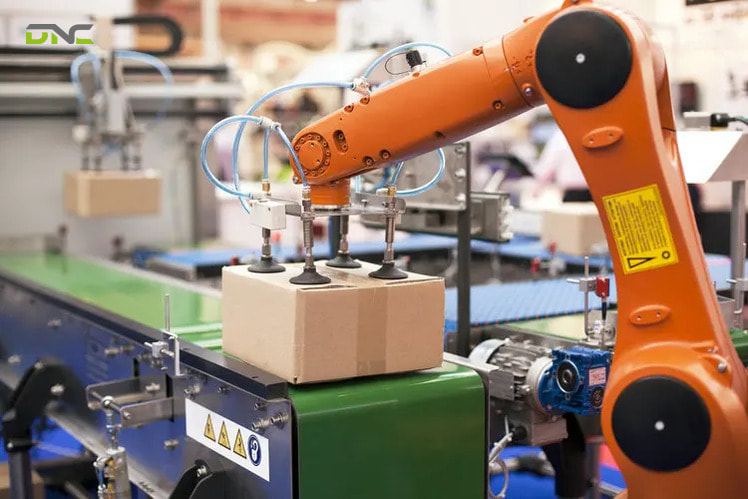
Step 6 – Automation isn’t a one-time project — it’s a continuous improvement process.
Why Choose DNC Automation as Your Packaging Automation Partner?
Selecting the right partner is key to the success of any automation project — and DNC Automation stands out as a trusted leader in integrated industrial solutions.
- Comprehensive Expertise: From PLC and SCADA systems to robotics and conveyor design, DNC provides a complete automation ecosystem tailored to your production line.
- Industry Experience: Proven track record in food & beverage, pharmaceuticals, FMCG, and logistics sectors.
- Engineering Team: Experienced automation engineers who understand international standards, safety compliance, and advanced control systems.
- End-to-End Service: We manage the full lifecycle — from consultation and system design to installation, commissioning, and long-term maintenance.
- Commitment to Value: Our goal is to help clients reduce costs, boost productivity, and achieve consistent product quality through smart automation.
Partnering with DNC Automation means choosing reliability, innovation, and long-term performance.
- 45 views
- 0 Comment
Recent Comments