



Roller Chain Conveyor Systems: Design, Types, and Industrial Applications
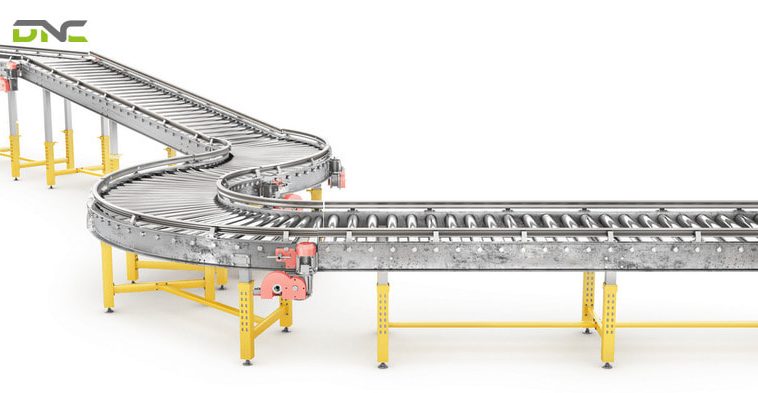
Roller chain conveyors are designed for transporting heavy and palletized loads in industrial environments where strength and load stability are critical. By using chain-driven rollers, these systems provide controlled movement and reliable positioning across automated production and material handling lines. What Is a Roller Chain Conveyor and How Does It Work? A roller chain conveyor..
Read more- 26 views
- 0 Comment
Timing Belt Conveyors: The Engineering Guide to Precision Indexing and Synchronous Flow
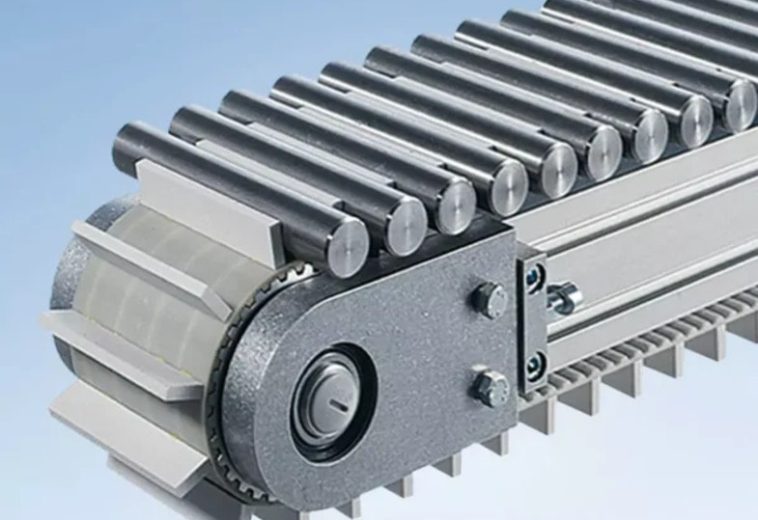
Timing belt conveyors are precision-driven material handling systems used in applications where position accuracy, synchronization, and repeatability are critical. Unlike friction-based conveyors, timing belt conveyors operate using a positive drive mechanism, eliminating belt slippage and allowing products to be positioned and indexed with repeatable accuracy typically within ±0.05–0.1 mm. What is a Timing Belt Conveyor..
Read more- 13 views
- 0 Comment
Motorized Conveyor Design and Operation in Automated Production Lines
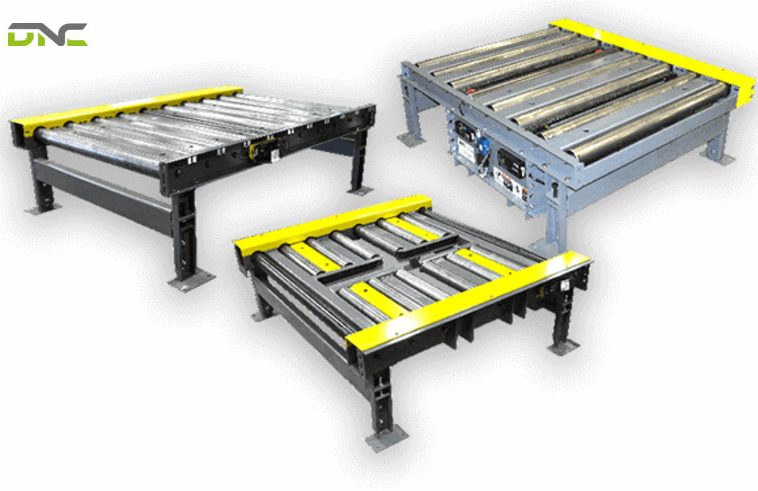
Motorized conveyors are a core component of modern material handling and automated production systems. By providing controlled, powered movement, they enable consistent material flow, system synchronization, and reliable integration with automation technologies.\ What Is a Motorized Conveyor and How Does It Work? A motorized conveyor is a conveyor system that uses an electric motor to..
Read more- 9 views
- 0 Comment
Optimizing Industrial Flow: Why Flat Belt Conveyors are the Heart of Modern Automation
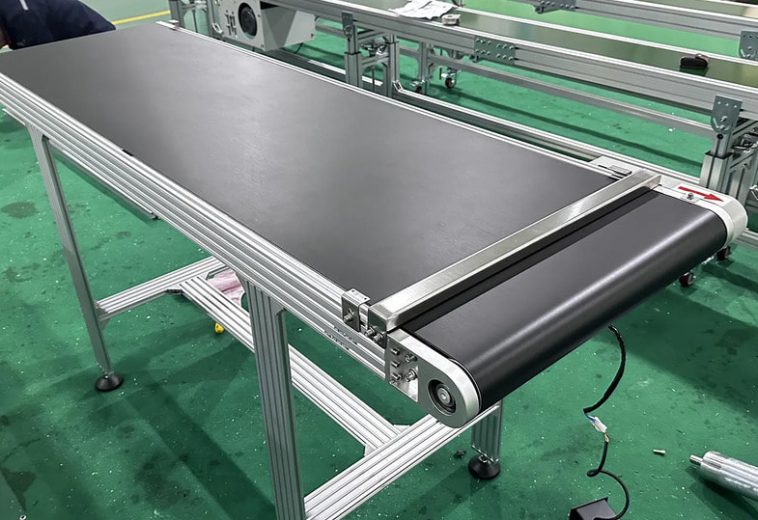
In the world of material handling, the Flat Belt Conveyor stands as the most versatile and widely utilized system. Whether it is moving micro-electronics or heavy boxed goods, this “workhorse” of automation provides a stable, reliable, and cost-effective solution for horizontal transport. What exactly is a Flat Belt Conveyor and why is it so widely..
Read more- 10 views
- 0 Comment
Cleated Conveyor Belt Explained: Types, Materials, Applications, and Design Considerations
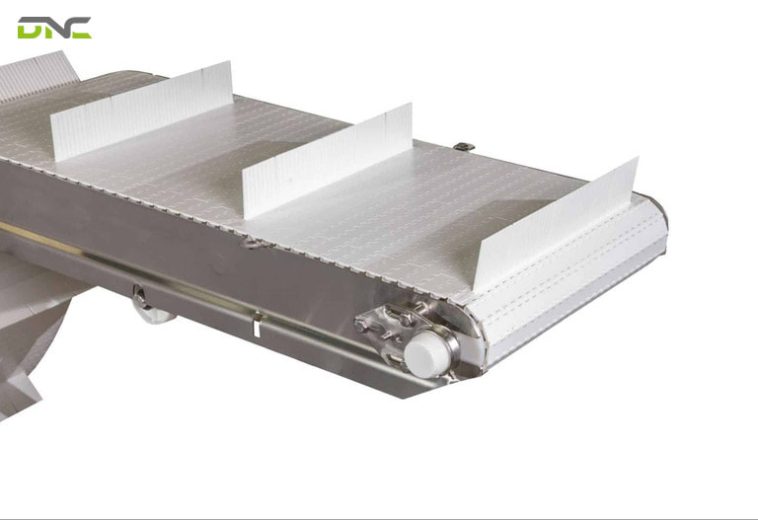
Cleated conveyor belts are widely used in material handling systems where product stability, inclined conveying, and controlled material flow are required. By using raised cleats on the belt surface, they help prevent material rollback, reduce spillage, and maintain consistent positioning in automated production environments. This article explains how cleated conveyor belts work, the most common..
Read more- 44 views
- 0 Comment
What is An Inclined Conveyor? Advantages, Applications & Latest Quotes 2026
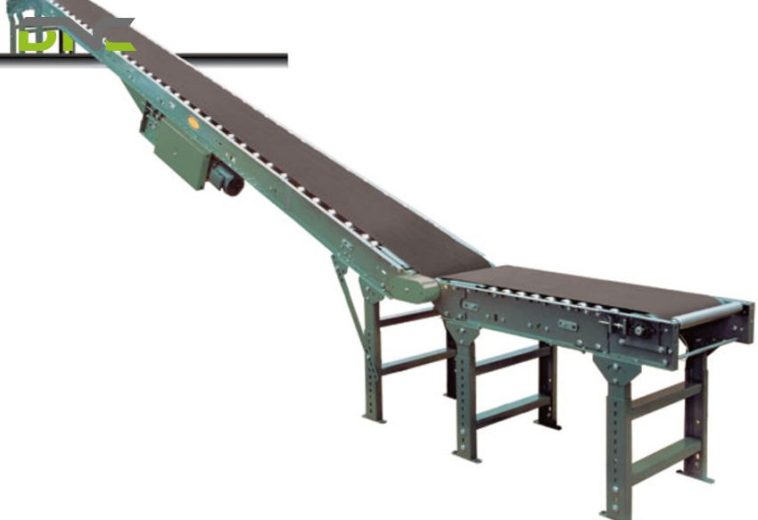
What is an Incline Conveyor? An inclined conveyor is a type of material handling system designed to move goods and materials from one level to another. The equipment has a belt or chain that runs over rollers or a slide platform, which are positioned at an angle, allowing materials to be transported up or down..
Read more- 36 views
- 0 Comment
Curved Conveyor Line – The Most Modern Conveyor Solution 2026
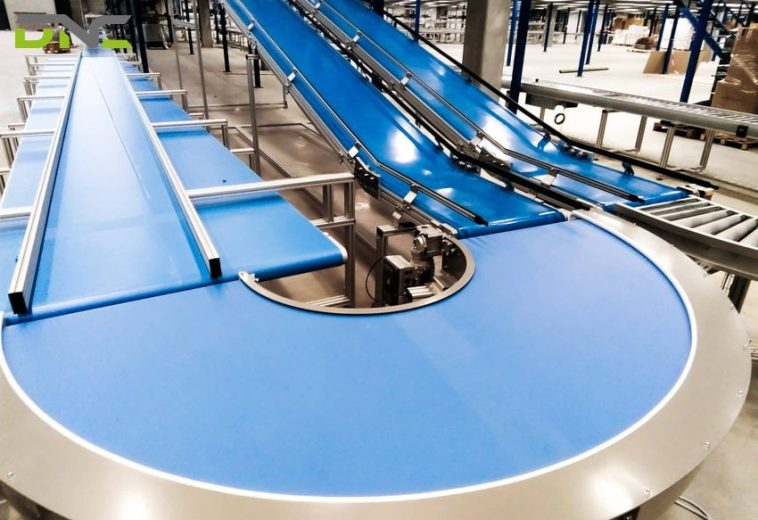
What is the curved conveyor belt? A curved conveyor belt is designed to change the direction of conveyed materials. Unlike straight-line conveyors, these are specifically engineered to navigate tight curves, typically 30°, 45°, 90°, or even 180° angles, without disturbing product orientation or speed. These systems usually consist of a belt stretched over a curved..
Read more- 23 views
- 0 Comment
Industrial Conveyor Belt Manufacturer for Automation Systems
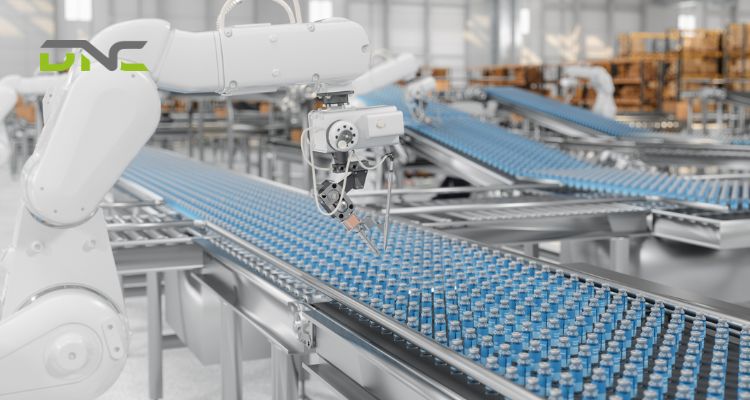
Choosing the right industrial conveyor belt manufacturer is a major challenge for many factories and automation projects. Poor-quality belts, weak engineering support, and non-customized designs often lead to downtime, inefficiency, and costly rework. A reliable manufacturer must deliver more than belts—they must provide engineered solutions that integrate seamlessly into automated operations. What Is an Industrial..
Read more- 5 views
- 0 Comment
Conveyor Belt Rubber: Types, Properties & Uses
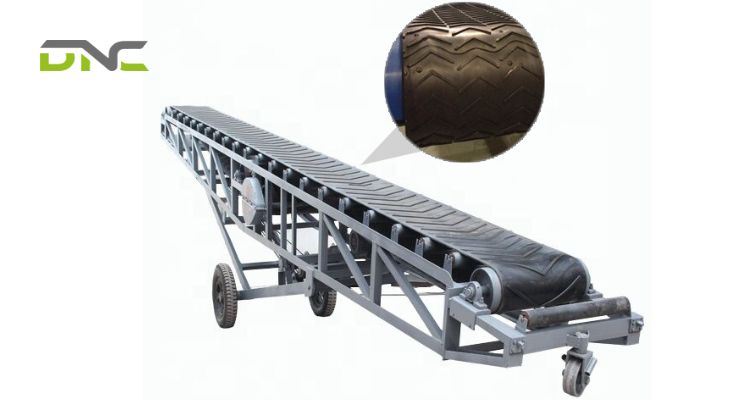
Premature belt wear, frequent downtime, and unexpected maintenance costs are common issues in conveyor systems. In many cases, the root cause is not the conveyor design, but the wrong conveyor belt rubber selection. Rubber quality directly impacts durability, grip, resistance, and system reliability. Understanding conveyor belt rubber materials, properties, and applications is essential for building..
Read more- 28 views
- 0 Comment
Airport Conveyor Belt Systems for Efficient Airports
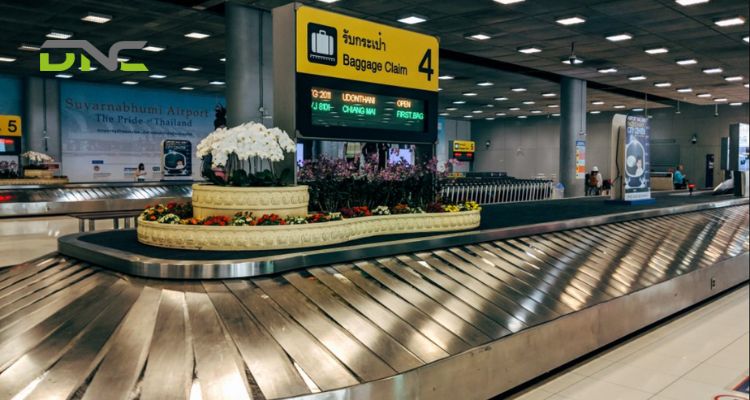
Baggage delays, system congestion, and manual handling errors are common challenges in busy airports. When an airport conveyor belt system is poorly designed or outdated, it can disrupt baggage flow, increase operational costs, and negatively impact passenger experience. Modern airports require reliable, automated conveyor solutions to ensure smooth, continuous, and accurate baggage handling across all..
Read more- 15 views
- 0 Comment
Recent Comments