


Screw Conveyor Feeder: Precision Dosing Guide | DNC Automation Malaysia
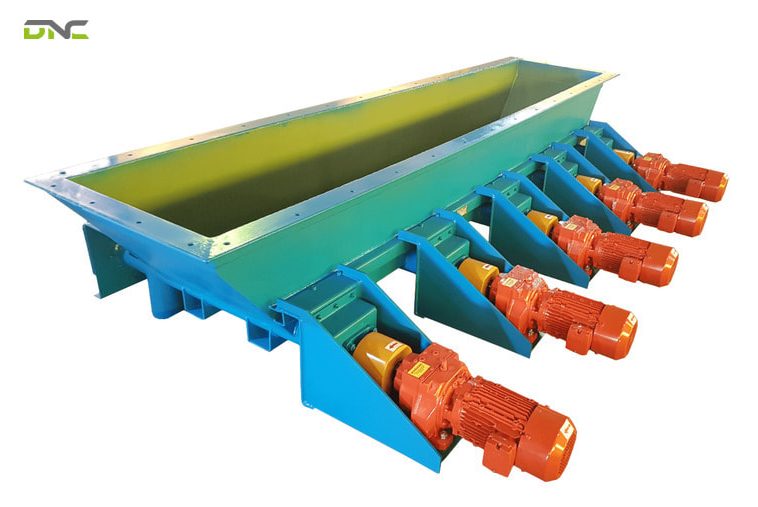
Screw Conveyor Feeder — Precision Bulk Dosing for Malaysian Process Industries Screw conveyor feeders are the backbone of precision bulk material handling in Malaysian manufacturing. Every time a food factory doses flour into a mixer, a pharmaceutical plant meters excipient powder into a capsule filler, or a palm oil mill feeds palm kernel expeller cake..
Read more- 130 views
- 0 Comment
FFB Conveyor: Complete Guide for Palm Oil Mills Malaysia
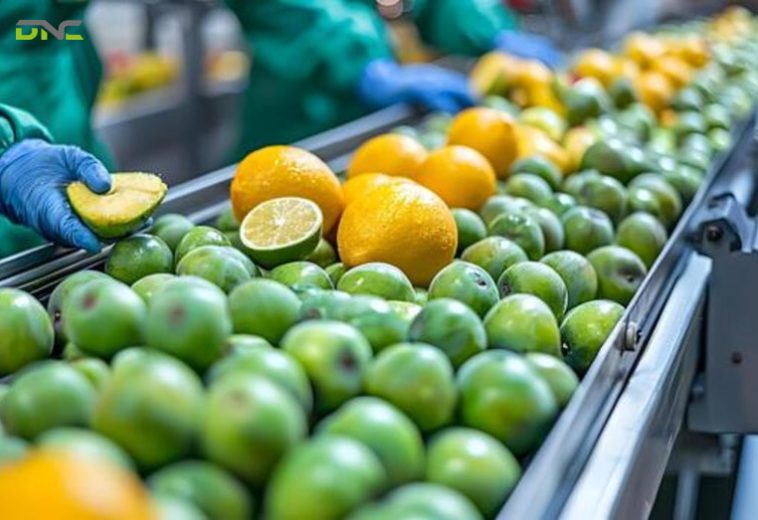
FFB Conveyor — The Complete Guide for Malaysian Palm Oil Mills FFB conveyors are the circulatory system of every palm oil mill in Malaysia. From the moment Fresh Fruit Bunches are tipped off a lorry at the reception ramp to the point where sterilized fruit reaches the thresher — FFB conveyors handle every tonne of..
Read more- 147 views
- 0 Comment
Best Flex Conveyor: How to Choose for Malaysian Factories
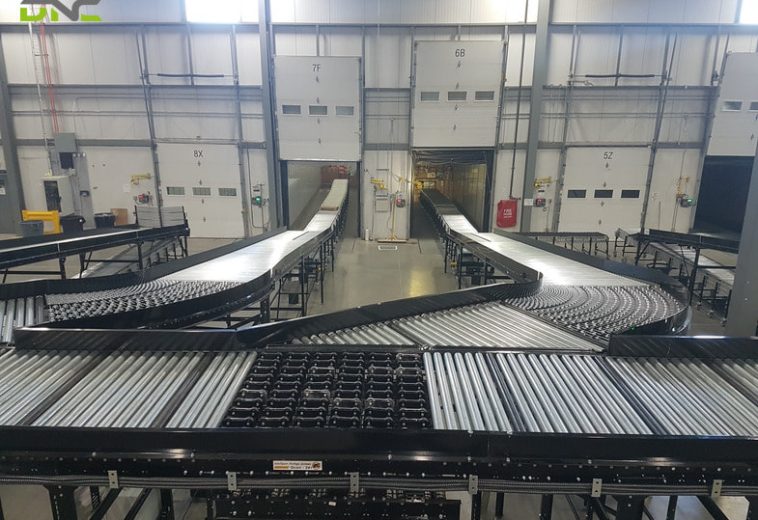
Best Flex Conveyor — How to Choose the Right Flexible Conveyor for Your Malaysian Factory The best flexible conveyor for your factory is not a single product — it is the specific flex conveyor type matched precisely to your material, layout, throughput, and operational requirements. The question “which flex conveyor is best?” has five different..
Read more- 72 views
- 0 Comment
SFB Conveyor: Steel Flat Belt Guide for Malaysian Factories
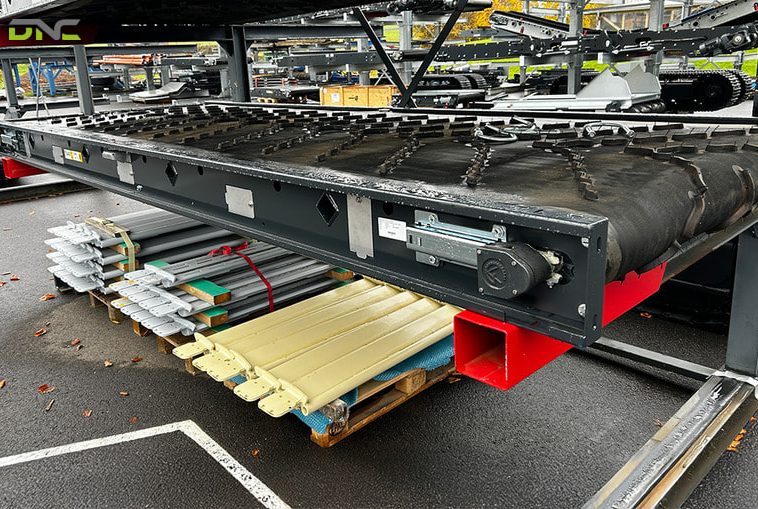
SFB Conveyor — Steel Flat Belt Systems for High-Temperature Malaysian Manufacturing SFB conveyors — Steel Flat Belt conveyor systems — solve the material handling challenges that defeat rubber, PVC, plastic, and fabric belts: extreme heat, abrasive materials, precision tension requirements, and continuous high-load operation in harsh industrial environments. Where conventional belts degrade, crack, or melt,..
Read more- 69 views
- 0 Comment
Conveyor Plus: Smart Conveyor Upgrades for Malaysian Factories
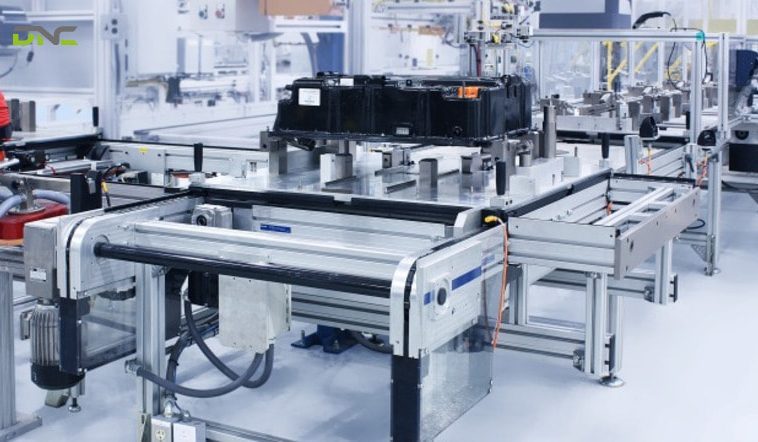
Conveyor Plus — Smarter Conveyor Systems for Malaysian Factory Operations Conveyor plus systems are what transforms a basic material transport conveyor into an active production intelligence platform. The difference between a standard conveyor and a conveyor-plus system is the difference between a road and a smart highway — one simply carries traffic, the other monitors..
Read more- 63 views
- 0 Comment
Sortation Conveyor Systems for Smarter Automation
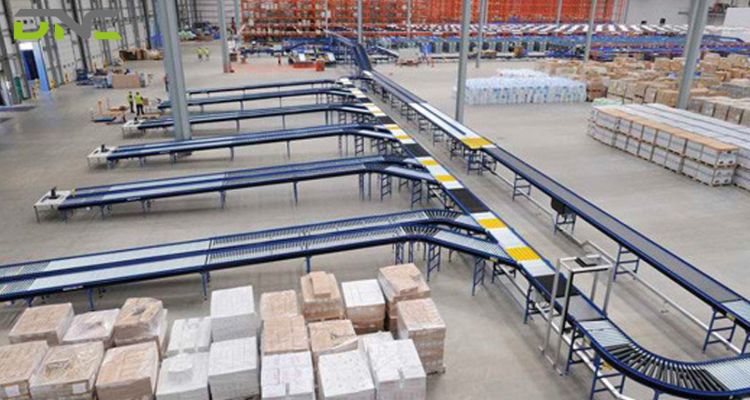
Growing order volumes, tighter delivery timelines, and rising labor costs are pushing warehouses and distribution centers to rethink manual sorting processes. Misrouted items, slow throughput, and inconsistent accuracy directly impact customer satisfaction and operational costs. This is where automation becomes essential. A sortation conveyor is designed to solve these challenges by automatically identifying, diverting, and..
Read more- 54 views
- 0 Comment
Conveyor Sealing Machine: Enhance Efficiency & Quality
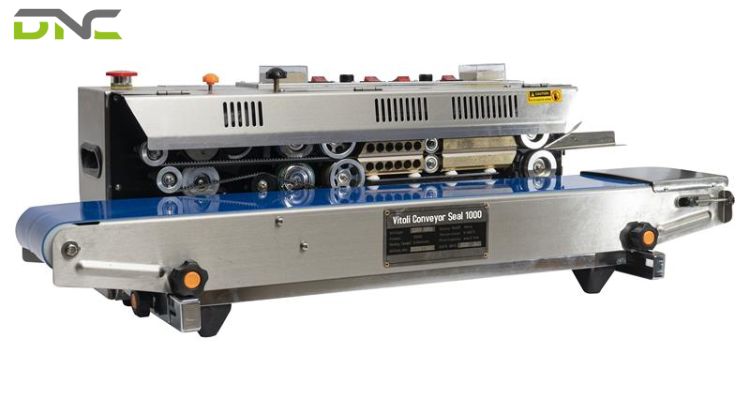
In industries such as food packaging, pharmaceuticals, and logistics, achieving consistent and high-quality sealing is crucial for maintaining product integrity and operational efficiency. A conveyor sealing machine is designed to automate the sealing process, ensuring that your products are packaged securely and without errors. As businesses increasingly adopt automation, the demand for conveyor sealing machines..
Read more- 52 views
- 0 Comment
Scraper Chain Conveyor: Benefits, Types & Applications
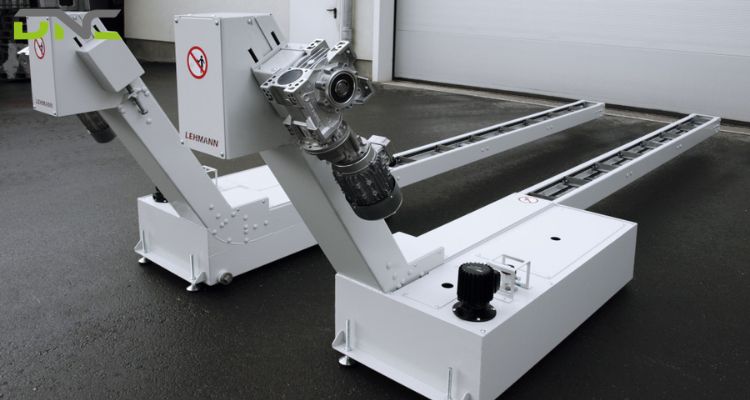
In industrial automation, choosing the right conveyor system is crucial for enhancing productivity and operational efficiency. Scraper chain conveyors are a key solution for industries dealing with heavy or abrasive materials that need to be transported efficiently. However, choosing the right scraper chain conveyor can be overwhelming with the variety of systems available. Understanding their..
Read more- 17 views
- 0 Comment
The Importance of Conveyor Diverters in Optimizing Your Production Line
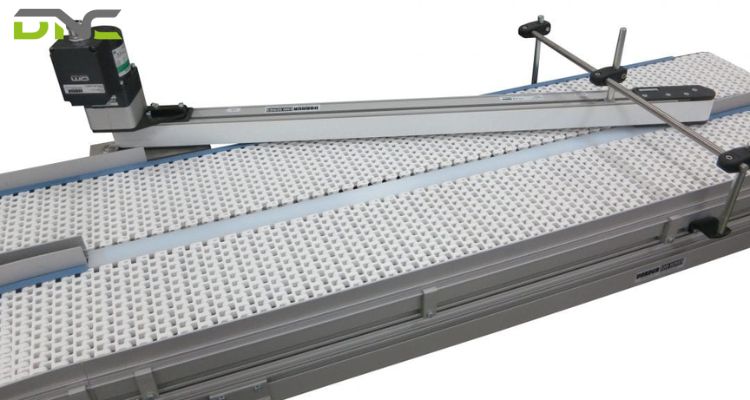
Pos Malaysia distributes parcels to 200+ delivery routes daily from its regional distribution centers — a confirmed DNC Automation client operation that increased parcel volume to 1 million+ per day as Malaysia’s e-commerce market expanded 180% since 2020. Routing each parcel manually to the correct outbound lane would require 15–20 sorters per shift working at..
Read more- 280 views
- 0 Comment
Turntable Conveyor: Smart Solution for Automated Flow
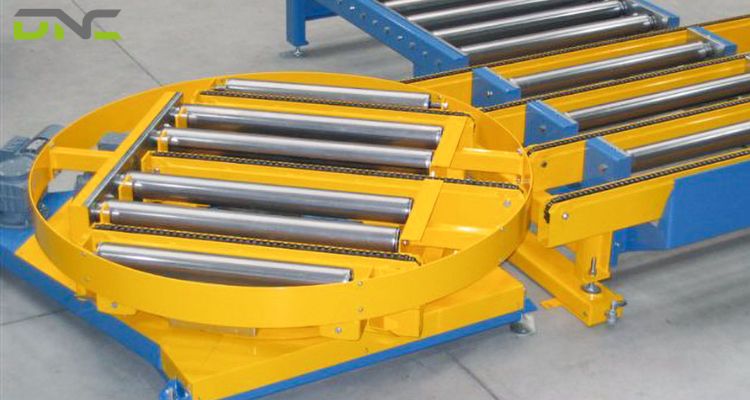
A factory manager at a Selangor automotive plant once replaced a corner curve conveyor with a standard belt curve to save RM 8,000 — and discovered that every engine component arriving at the torque station was rotated 90° from its required orientation. Assembly operators spent 3 seconds reorienting each component manually, adding 900 seconds of..
Read more- 106 views
- 0 Comment
Recent Comments