



Conveyor Belt Scraper Systems: Engineering Analysis & Selection Guide
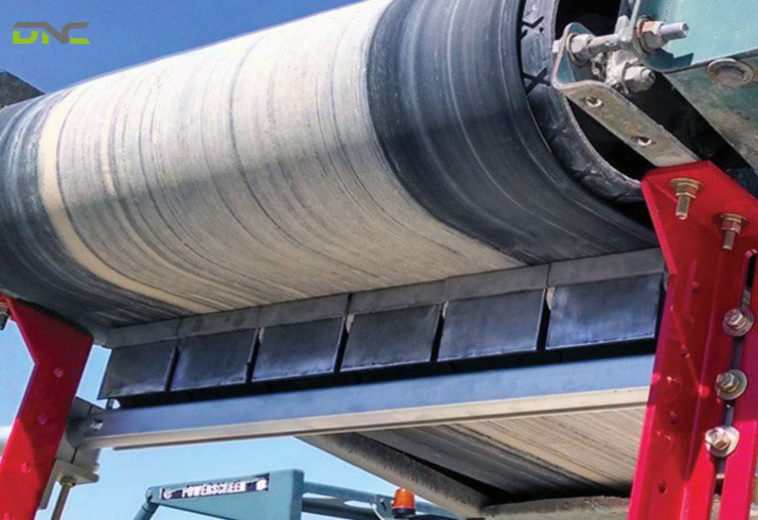
Material carryback is the silent enemy of conveyor efficiency, leading to equipment wear and high cleaning costs. A conveyor belt scraper is your first line of defense, essential for removing debris and extending belt life. In this guide, DNC Automation explores the various scraper types and materials to help you optimize your material handling system..
Read more- 24 views
- 0 Comment
Indexing Conveyor: Types, Applications, and Selection Guide for Malaysian Manufacturers
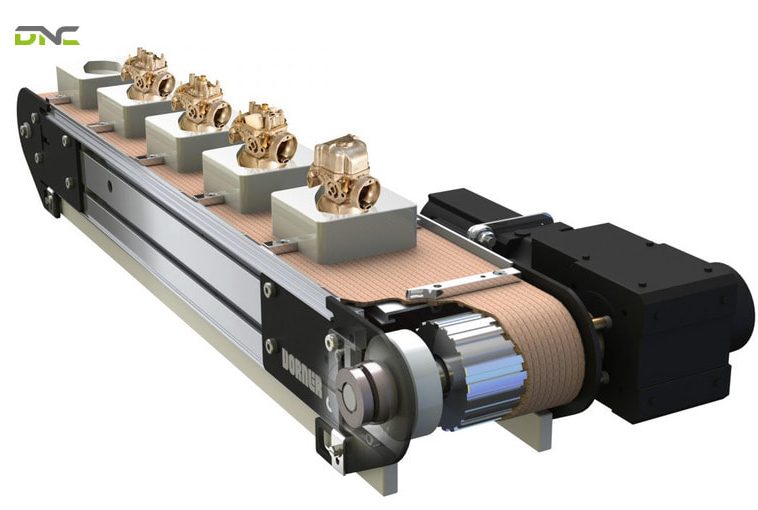
An indexing conveyor is a material handling system that moves products in precise, incremental steps — stopping at defined positions for processing, inspection, or assembly — then advancing to the next station on command. Unlike continuous conveyors that move product at constant speed, an indexing conveyor delivers repeatable positioning accuracy of ±0.05 mm to ±0.5..
Read more- 62 views
- 0 Comment
Conveyor Chain Types: Roller, Engineering, Plastic Modular, and Drag Chain Selection Guide
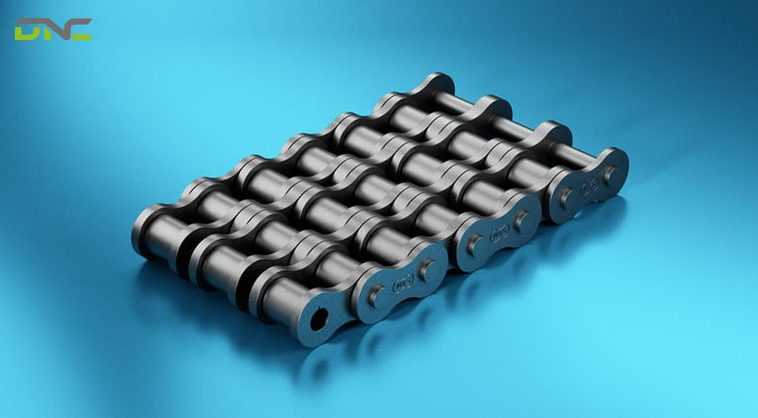
Conveyor chain is the mechanical element that transmits drive force and carries product or material through a conveyor system. Selecting the wrong chain type — undersized breaking load, incorrect pitch, wrong material for the environment — causes premature failure, unplanned downtime, and in worst cases, product loss or safety incidents. Selecting the right chain from..
Read more- 16 views
- 0 Comment
Bucket Elevator Conveyor Solutions for Efficient Vertical Material Handling
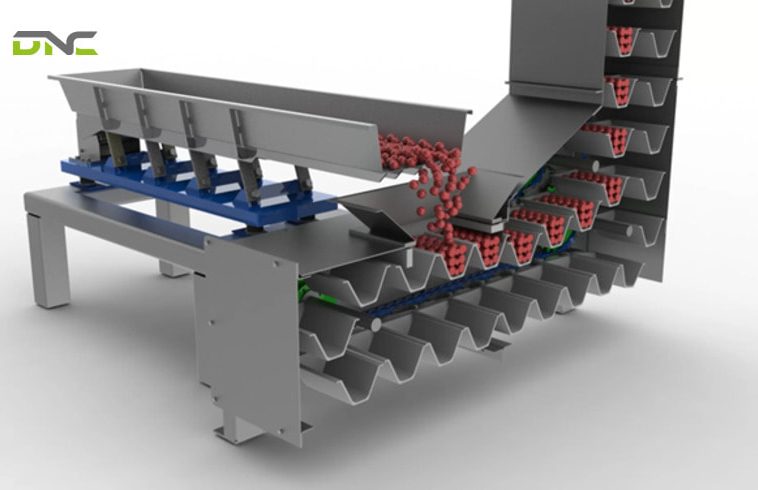
A bucket elevator conveyor lifts bulk materials vertically using buckets attached to a continuous belt or chain loop running inside an enclosed casing. It is the most efficient method for vertical elevation of dry bulk solids — grain, cement clinker, palm kernel, sugar, minerals, and animal feed — achieving throughputs of 20–1,000 tonnes per hour..
Read more- 14 views
- 0 Comment
Conveyor Motors: Types, Selection & Integration Guide for Malaysian Factories
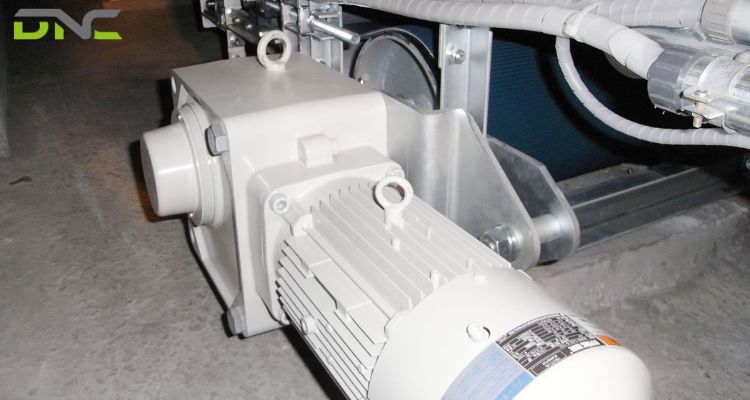
Conveyor motors are the power source of every production line — the wrong motor type, incorrect sizing, or missing VFD integration creates energy waste, premature motor failure, conveyor belt slippage, and unplanned production stoppages across Malaysian manufacturing facilities. A conveyor motor converts electrical energy into the rotational torque that drives the conveyor belt — but..
Read more- 28 views
- 0 Comment
Scraper Conveyor: Types, Applications & Engineering Guide for Malaysian Industry
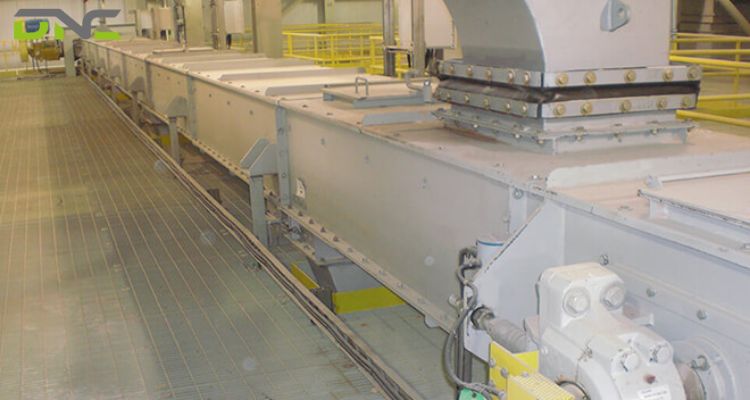
Scraper conveyors are the engineered solution for bulk material handling tasks that belt conveyors cannot perform — moving abrasive, hot, wet, or sticky materials through enclosed troughs in environments where open belts would spill, contaminate, or deteriorate within weeks. A scraper conveyor uses a continuous chain or chains fitted with scraper flights (blades) to push..
Read more- 13 views
- 0 Comment
Conveyor Metal Detector: Complete Guide for Malaysian Food & Industrial Factories
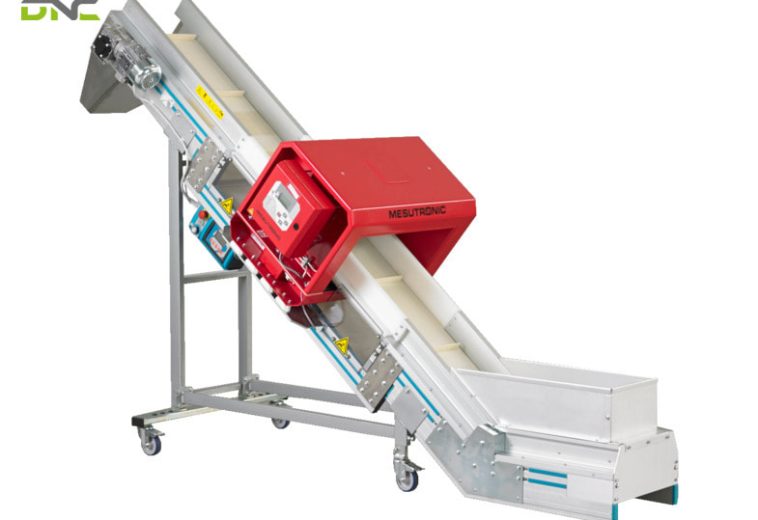
A conveyor metal detector is not an optional quality improvement tool in Malaysian food manufacturing — it is a mandatory Critical Control Point (CCP) under HACCP (MS 1480), required by every major food safety certification standard (BRC Global Standard, FSSC 22000), and a non-negotiable requirement for export F&B products to EU, UK, US, and Japanese..
Read more- 36 views
- 0 Comment
Roller Chain Conveyor Systems: Design, Types, and Industrial Applications
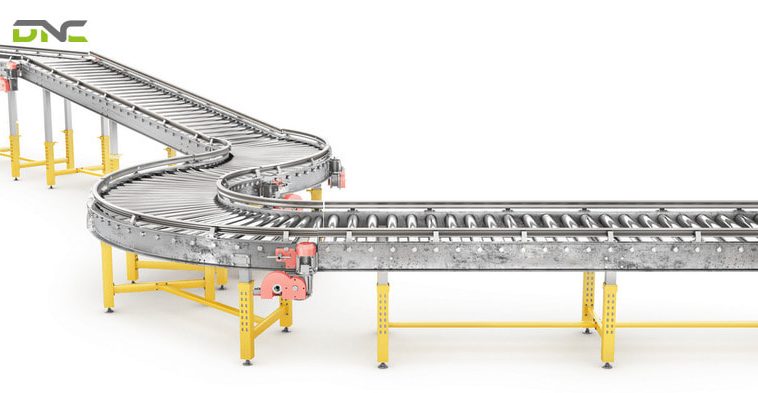
Roller chain conveyors are designed for transporting heavy and palletized loads in industrial environments where strength and load stability are critical. By using chain-driven rollers, these systems provide controlled movement and reliable positioning across automated production and material handling lines. What Is a Roller Chain Conveyor and How Does It Work? A roller chain conveyor..
Read more- 30 views
- 0 Comment
Timing Belt Conveyor: Precision Positioning, Tooth Profiles, Servo Integration, and Applications
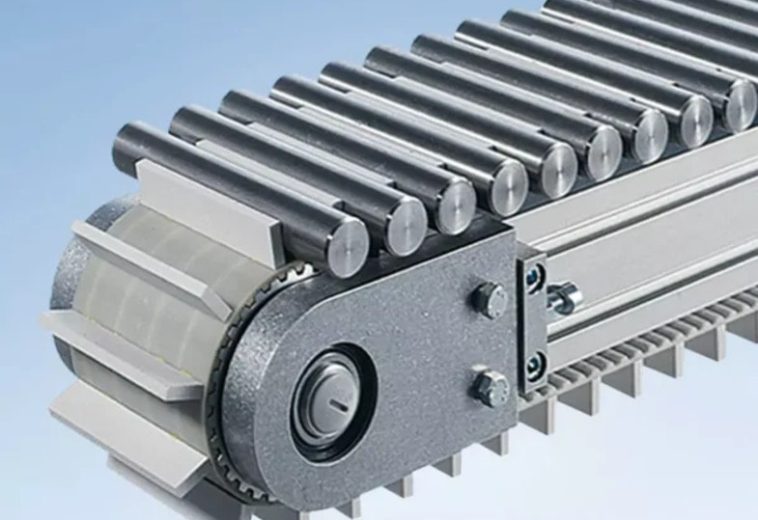
Timing Belt Conveyor: Precision Positioning, Tooth Profiles, Servo Integration, and Applications A timing belt conveyor uses a toothed (synchronous) belt running over toothed pulleys — instead of friction-driven flat pulleys — to transmit drive force without slippage. The positive engagement between belt teeth and pulley teeth means every pulley rotation corresponds to an exact belt..
Read more- 23 views
- 0 Comment
Motorized Conveyor: Types, Drive Systems, PLC Integration, and Selection Guide
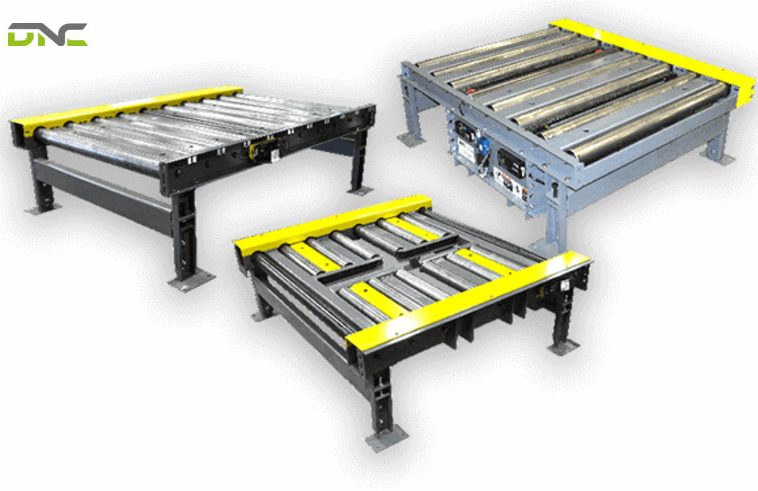
Motorized Conveyor: Types, Drive Systems, PLC Integration, and Selection Guide A motorized conveyor uses an electric motor — directly coupled, belt-driven, or via gearbox — to power product or material movement along a defined path. Unlike gravity conveyors (which rely on slope and product weight) or manual push conveyors, motorized conveyors provide controlled, consistent speed..
Read more- 14 views
- 0 Comment
Recent Comments