


How a Checkweigher Works: The Weighing Window, Zones and Reject
A checkweigher weighs every package while the line keeps running. Three conveyors carry the pack across it: an infeed belt that speeds up to open a gap, a weigh conveyor mounted on a load cell, and an outfeed belt that clears the pack or hands it to a reject device. The load cell converts the pack’s force into an electrical signal, the controller reads the settled portion of that signal, and the resulting weight is compared against preset zone limits. Where the number lands decides whether the pack continues, gets recorded as drifting, or leaves the line through a reject device. A checkweigher reaches its accuracy through two specifications – how long the pack sits on the weigh bed, and whether the scale is a strain gauge or an electromagnetic force restoration cell – and both are paid for in throughput or in cost. On lines wired for it, the same checkweigher returns its running average to the filler and corrects the error before the next pack is made.
A Checkweigher Weighs Without Stopping the Line
A checkweigher weighs packaged goods without stopping the line, checking each item’s weight while it stays in motion. Anritsu’s technical note describes it as a machine that checks items as they pass through a production line; the Wikipedia reference entry defines it as an automatic or manual machine for checking the weight of packaged commodities.
Dynamic weight measurement is the property that separates it from every other scale in the plant. A bench scale needs the item to stop, settle and be read by an operator. A checkweigher takes the reading inside the transit time it already had.
That distinction has a cost attached. Weighing a moving mass is harder than weighing a stationary one, so the accuracy a checkweigher reaches depends on how it is built and how fast it is run – which is what the rest of the machine exists to manage.
Three Conveyors Do Three Different Jobs
Three conveyors do three different jobs, and a typical automatic checkweigher runs all three in series. The reference architecture names them infeed, weigh and reject. Around those three belts sit the controller that holds the weight limits, the display, and the software that logs results.
The assembly includes six parts, and each one constrains a different specification:
| Component | Function | What it constrains |
| Infeed conveyor | Accelerates packs to open spacing | One pack on the bed at a time |
| Weigh conveyor | Carries the pack over the transducer | Dwell time, and so accuracy |
| Load cell | Converts force into an electrical signal | Achievable resolution |
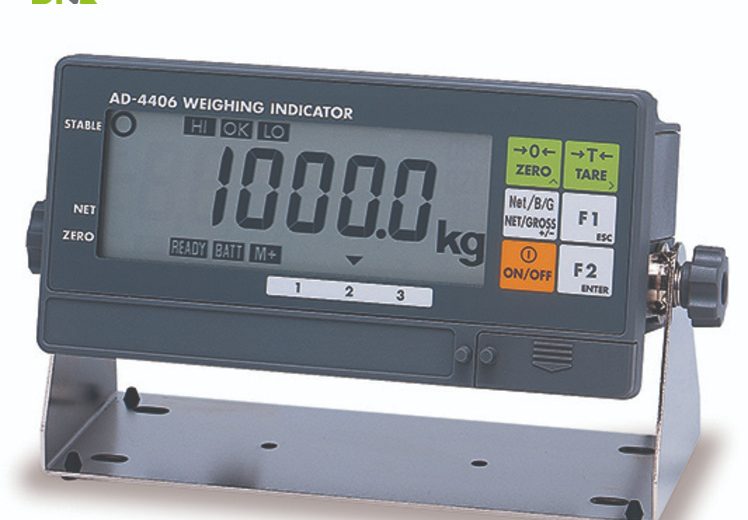
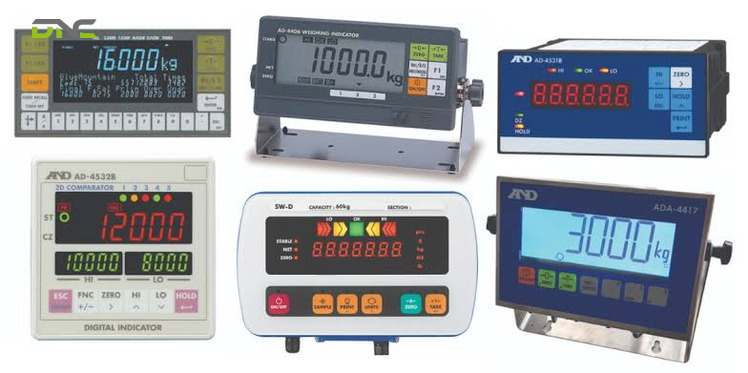
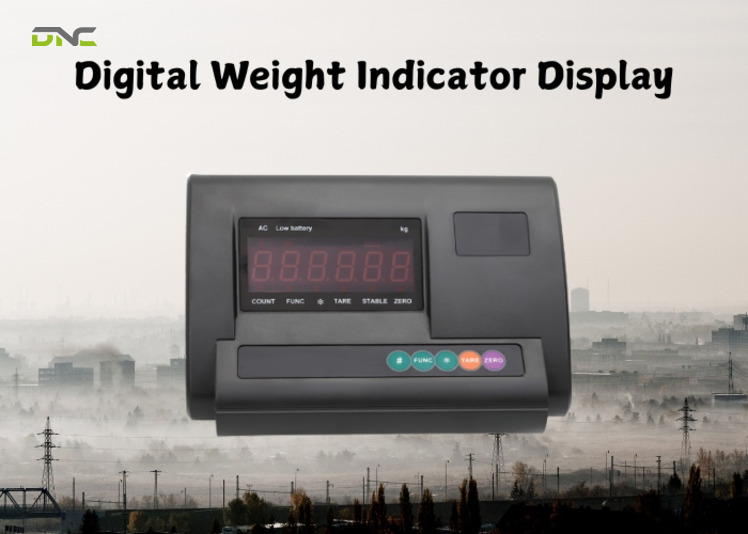
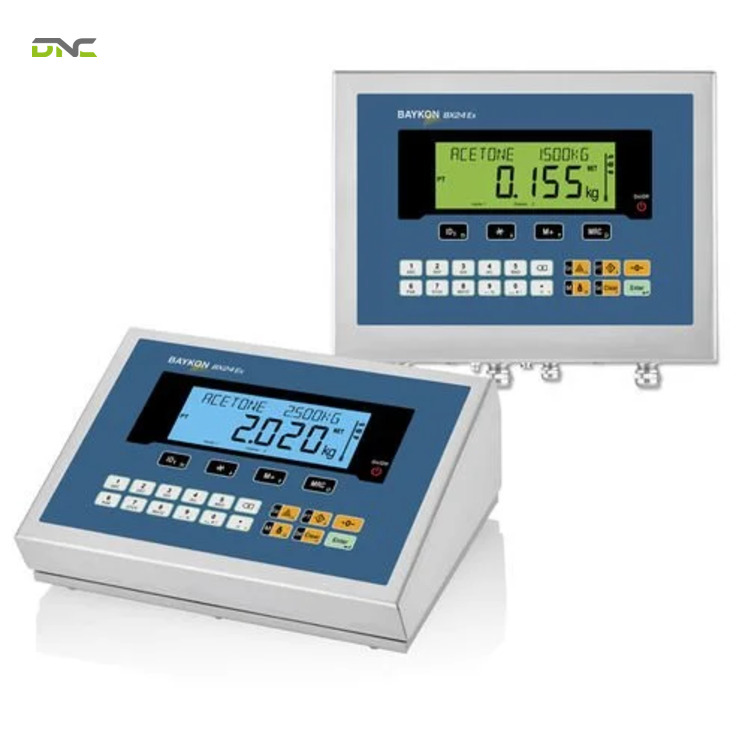
| Controller | Compares weight against zone limits | Classification and reject trigger |
| Reject device | Removes out-of-band packs | Maximum line speed |
| Software / interface | Logs, reports, integrates | Traceability |
The controller is where the raw signal becomes a weight. The three belts decide what that signal looks like before it gets there.
Infeed Conveyor
The infeed conveyor adjusts package speed and spacing before the pack reaches the scale. It normally runs faster than the line feeding it, which stretches the gap between consecutive packs.
That gap exists for one reason: only one package may sit on the weigh bed at a time. Two packs on the bed produce one combined number and no usable reading.
Weigh Conveyor
The weigh conveyor is the short belt mounted on the weight transducer. Its length and its speed together set how long each pack stays over the sensor.
It is also engineered against interference rather than merely built to carry loads. One European manufacturer specifies the weigh belt as designed to minimise vibration and external interference, with belt material and speed both calibrated for that purpose.
Outfeed and Reject Conveyor
The outfeed conveyor carries accepted packs away and presents rejected ones to the reject device. Clearing the weighed pack quickly matters as much as delivering it, since the bed has to be empty before the next pack arrives.
Emptying the bed on time is the outfeed belt’s contribution to accuracy, and it points at the constraint the whole assembly exists to serve: the amount of time each pack spends over the sensor.
Three Conveyors Do Three Different Jobs
The Weighing Window Is a Time Budget
The weighing window is a time budget that opens when the pack arrives and closes when it leaves. A photoelectric switch at the front of the weigh belt commonly triggers it, and some machines derive the same event from an internal level signal instead. The controller knows when the window closes because it knows the belt speed and the belt length.
Inside that window the load cell does not deliver one clean number. It delivers a signal that rises as the pack transfers onto the bed, oscillates while the transfer energy dissipates, and only then holds steady.
Reading the wrong part of that signal returns the wrong weight. The controller therefore selects the stable region for processing rather than the first value it sees – and the Wikipedia reference describes the same behaviour from the other direction, as a computer taking many readings across the time the package is on the weigh bed.
Both descriptions imply the same requirement. The stable region has to exist before the pack leaves, which makes the weighing window a time budget with three consumers: transfer, settle, read.
The sequence a single pack goes through includes the following seven steps:
- The infeed belt accelerates the pack and opens a gap behind it.
- The pack crosses the trigger point and the weighing window opens.
- The pack transfers onto the weigh bed and the load cell signal rises.
- Transfer energy dissipates and the signal settles.
- The controller samples the stable region and derives the weight.
- The controller compares that weight against the preset limits.
- The pack leaves the bed, and the reject device acts if the comparison demands it.
Steps 3 and 4 are the ones the specification has to buy time for. What happens at step 6 depends entirely on how the limits were set.
Zone Limits Turn a Pass/Fail Gate Into a Classifier
Zone limits turn a pass/fail gate into a classifier, because the controller stores more than a yes or no. The reference five-zone configuration splits one weight axis into five bands at 1 g resolution: under reject at 84.9 g and below, under-acceptable from 85 g, valid from 96 g, over-acceptable from 105 g, and over reject above 115 g.
Only the two outer zones drive the reject device. The middle three are recorded rather than acted on, which is what makes the reporting worth reading.
Machines commonly report per-zone package counts, per-zone totals, the accepted count, the running average and the standard deviation. A batch drifting out of valid into over-acceptable is a filler warning, and it arrives long before a single pack has been rejected.
Two regulatory frameworks sit behind those limits. A minimum weight system rejects any package below a stated threshold; the European Average Weight System instead governs the batch through its three Packers’ Rules, with NIST Handbook 133 covering the equivalent ground in the United States.
Which framework applies changes where you set the bands. It does not change what happens to the packs that fall outside them.
Zone Limits Turn a Pass/Fail Gate Into a Classifier
The Reject Device Is Chosen by the Package, Not by Preference
The reject device is chosen by the package, since the four ejection families differ in what they do to it. Suppliers describe them under several names, and pneumatic ejectors, high-speed pushers, drop mechanisms, diverters and single or double air jets all appear in the same catalogues.
Air Jet
An air jet blows the pack sideways with a burst of compressed air and no contact. Air suits light packs and the highest speeds, and it loses authority as mass increases.
Pusher Arm
A pusher arm shoves the pack laterally off the belt. It handles rigid, stable packs that will not topple under a sideways force.
Drop Flap
A drop flap opens the belt surface beneath the pack and drops it into a collection bin. Vertical removal avoids the toppling problem entirely.
Diverter
A diverter reroutes the pack onto a second conveyor, intact, for rework or reprocessing. A diverter is the choice when the rejected product still has value.
Choosing Between the Four
Package mass sets the shortlist. The published throughput figures are themselves qualified by carton size, so the heavier and taller the pack, the less an air jet can do and the more the answer moves toward a diverter that never has to overcome the pack’s inertia sideways.
Ejection is the last thing the machine does. How accurate the number was that triggered it was decided much earlier, by the scale.
The Reject Device Is Chosen by the Package, Not by Preference
Summary: The Weighing Path So Far
The checkweigher path described so far runs in one direction. Three conveyors move the pack – infeed for spacing, weigh conveyor for measurement, outfeed for clearance. A photoelectric trigger opens the weighing window, the load cell signal rises and settles, and the controller samples only the stable region. That weight lands in one of five zones, and only the two outer zones fire the reject device, chosen from air jet, pusher, drop flap or diverter according to package mass. Everything up to this point describes what the machine does. The three sections below explain what decides how well it does it, and what the answer costs.
Scale Type Sets the Accuracy Ceiling
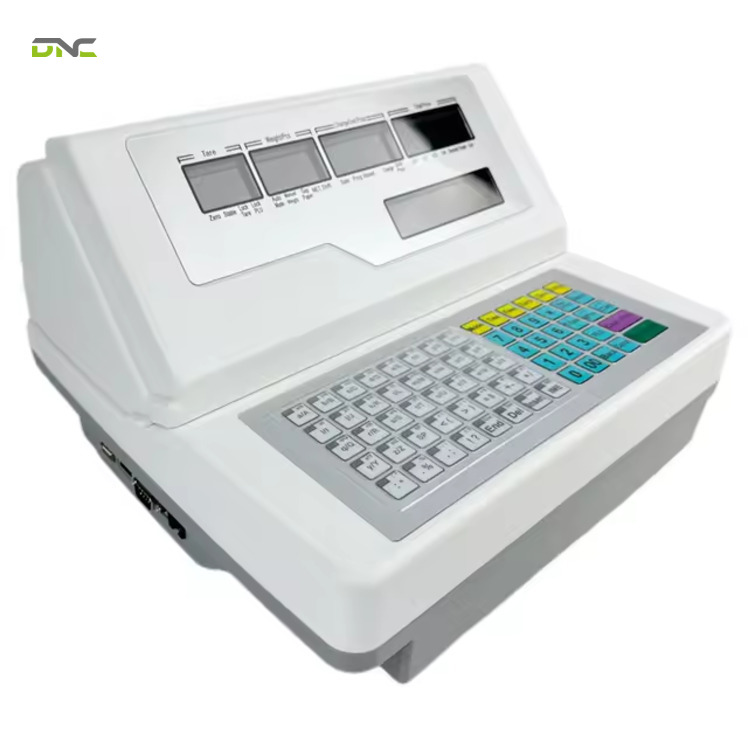
Scale type sets the accuracy ceiling because the two dominant checkweighing technologies measure different physical quantities. A strain gauge load cell measures its own distortion under load and converts that deformation into a signal. An electromagnetic force restoration cell – also called an electromagnetic balance – measures the current needed to hold the weigh bed level against the load, using inductive coils that float the bed.
The difference shows up in a paired test. Anritsu compared both at the same weighing conveyor length and recorded ±0.8 g (800 mg / 0.028 oz) for the electromagnetic balance against ±2.3 g (2,300 mg / 0.081 oz) for the strain gauge load cell.
The mechanism explains the gap. An electromagnetic cell never lets the structure deflect, so it is not waiting for a spring element to settle inside a window that is already short.
Higher accuracy is not automatically the correct specification. Anritsu is explicit that the costlier electromagnetic balance suits individual candies and chocolates before packaging, while the cheaper strain gauge is the recommended choice for confirming that no pack is missing from a carton after boxing.
| Strain gauge load cell | Electromagnetic force restoration | |
| Measures | Distortion of the sensing element | Current needed to restore level |
| Accuracy at equal conveyor length | ±2.3 g (2,300 mg / 0.081 oz) | ±0.8 g (800 mg / 0.028 oz) |
| Relative cost | Lower | Higher |
| Stated best fit | Missing-pack checks on boxed product | Individual confectionery before packaging |
Scale type is one of two accuracy specifications. The second one is not a component at all.
Scale Type Sets the Accuracy Ceiling
Conveyor Length Trades Accuracy Against Throughput
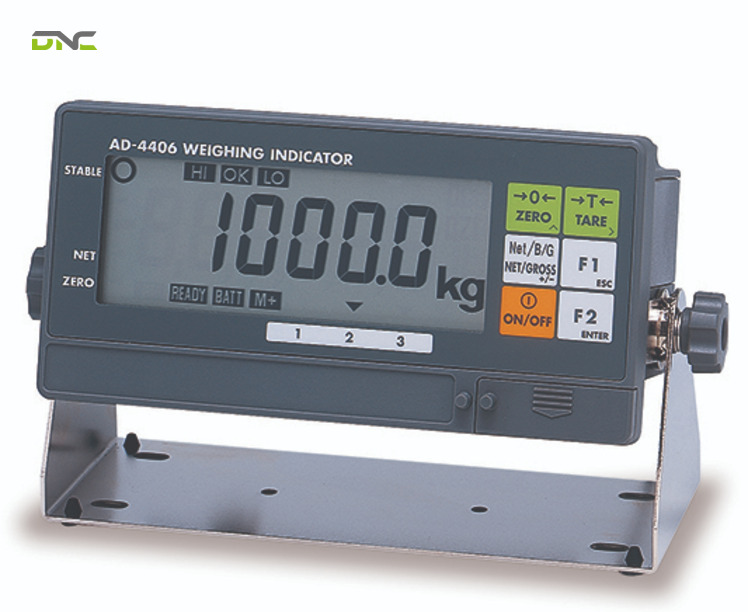
Conveyor length trades accuracy against throughput, changing accuracy as much as the choice of scale does. Anritsu ran the comparison directly: two checkweighers with 270 mm (27 cm / 10.6 in) and 495 mm (49.5 cm / 19.5 in) weighing conveyors, the same scale, the same speed. The short conveyor measured to 2.3 g. The long one measured to 1.0 g.
The stated reason is dwell. Products spend more time being weighed on the longer conveyor, so the settled portion of the signal gets more samples.
Three verified constraints now close on each other. Only one pack may occupy the bed at a time. Accuracy improves with dwell time. And the published ceiling – in excess of 500 items per minute, or 30,000 per hour – carries the qualifier “depending on carton size and accuracy requirements”, with pharmaceutical lines running over 100 m/min (328 ft/min) and heavier products over 100 ft/min.
Read together, that qualifier is the trade-off itself: every gram of accuracy you demand is bought with dwell time, and every unit of dwell time is subtracted from the packs per minute the same machine can clear. No specification escapes it, because dwell is the shared currency of both numbers.
Sizing therefore follows a fixed order rather than a wish list, and that order includes four steps:
- Fix the tolerance first.The weight band your product must hold decides the scale type before throughput enters the discussion, since a strain gauge cannot reach an electromagnetic cell’s figure by running slower alone.
- Set the dwell the tolerance needs.A tighter tolerance moves the weigh conveyor longer, on the published relationship between length and accuracy.
- Read the throughput that remains.Longer dwell at a fixed belt speed means fewer packs per minute, and the carton size decides how much of the published ceiling was ever available.
- Check the reject device against the resulting speed.Ejection has to complete inside the gap the infeed belt created.
A line that inherits an existing conveyor system has step 3 partly decided already, since belt speed upstream sets what the infeed has to work with. Where the tolerance turns out to be expensive, the next question is what the alternative actually costs.
Conveyor Length Trades Accuracy Against Throughput
Accuracy Is Paid For in Giveaway
Accuracy is paid for in giveaway, because overfill is not a habit but arithmetic. To guarantee that a declared 200 g (0.2 kg / 7.05 oz) pack never leaves the line underweight, the target fill has to sit at least one accuracy band above the declared weight.
Anritsu works the example through. On a machine accurate to ±1 g (0.035 oz), the minimum fill becomes 201 g (7.09 oz). On a machine accurate to ±0.5 g, it becomes 200.5 g (7.07 oz). The less accurate machine consumes 0.5 g (0.018 oz) more product in every single pack.
That 0.5 g is a fixed per-pack cost, so it scales linearly. Across an illustrative 100,000 packs, the less accurate machine has given away 50 kg (50,000 g / 110 lb) of the same product – free, and invisible on any quality report, because every one of those packs passed.
Giveaway is the argument for the more expensive scale, and it is a stronger argument than the reject rate. Rejects are visible and get counted; giveaway leaves through the front door.
Both numbers describe a machine that reacts after the pack is already filled. A checkweigher can also be wired to prevent the error instead.
The Weight Reading Steers the Filler Upstream
The weight reading steers the filler upstream, turning the checkweigher into a process sensor rather than a gate. On lines configured for it, the running average weight is returned to the controller of the filling, packing or canning machine, which then adjusts the feed amount to pull the average back toward target.
The economics change with the wiring. A gate rejects bad packs after the product is already inside them, and that product is lost or reworked.
A feedback loop moves the whole distribution instead. Shifting the mean pulls the tails away from the reject bands, so fewer packs ever reach a reject zone in the first place – and the giveaway margin can be trimmed closer to the declared weight, because the spread that forced it wide has narrowed.
Not every installation includes this link, and it depends on the filler accepting a setpoint correction. Where it exists, the zone counts stop being a report and start being a control signal.
Four Machine Types Sit at Different Points on the Line
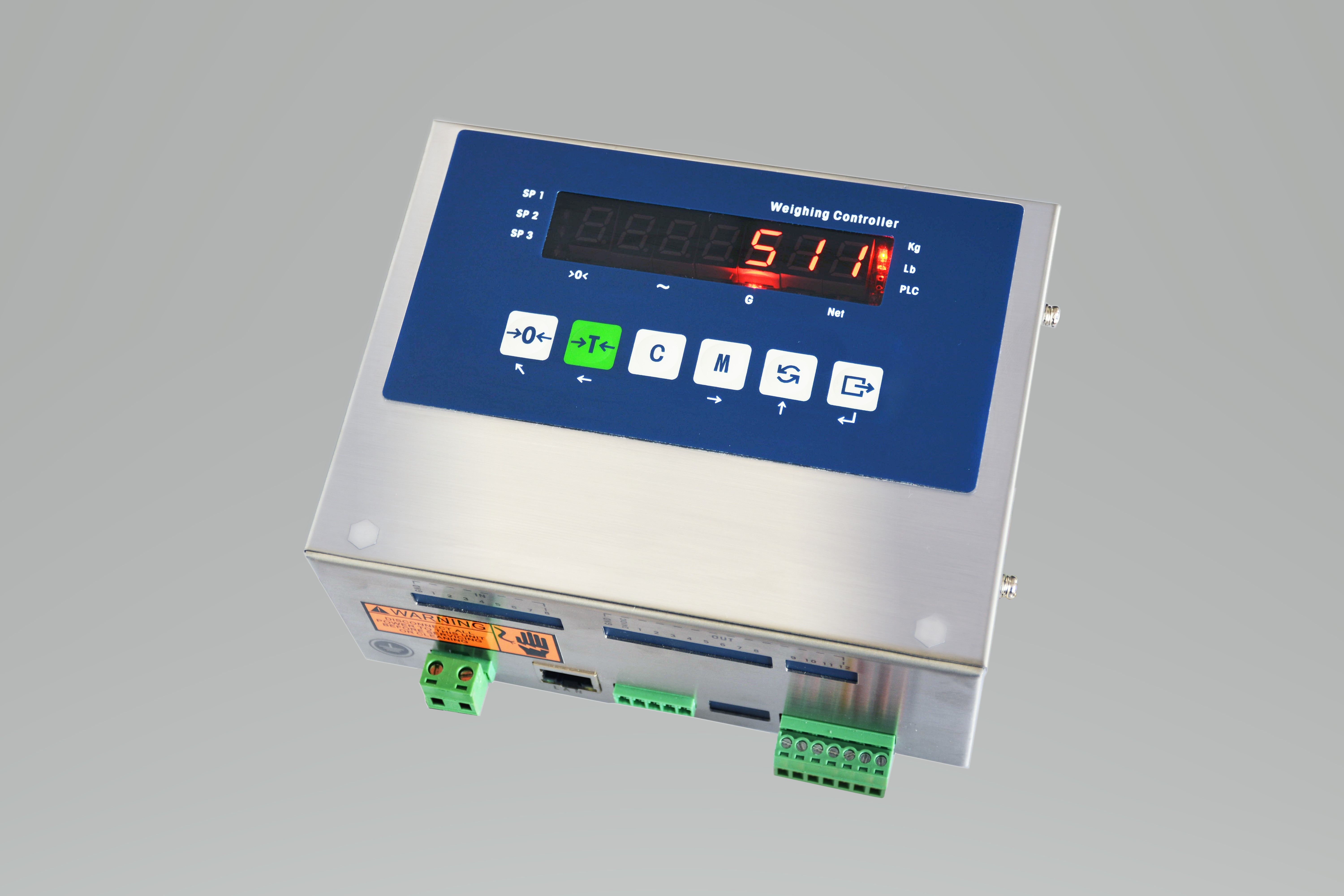
Four machine types sit at different points on the line, and the differences between them are structural. Suppliers list dynamic, static, combination and washdown variants.
Dynamic, or In-Motion
Dynamic, or in-motion, checkweighers are the type described throughout this guide. They weigh on a continuously moving line and carry the infeed and reject belts that make that possible.
Static, or Benchtop
Static, or benchtop, machines require the product to stop before the reading is taken. Suppliers position them for smaller, delicate or high-value items – pharmaceutical doses, laboratory chemicals, jewellery components – where a slower cycle buys accuracy that motion would cost.
Combination
Combination units add metal detection, X-ray inspection or barcode scanning inside the same frame. The stated benefit is floor space rather than better weighing, since the end of a line has a limited number of metres to give.
Washdown
Washdown machines survive aggressive cleaning. Construction is stainless steel including the load cells, and one supplier specifies IP65 or higher for the rating, which is what allows chemical disinfection between shifts in food, cosmetic and pharmaceutical plants.
Type decides the machine’s physical position. What leaves the machine decides its value to the rest of the plant.
Four Machine Types Sit at Different Points on the Line
Regulated Weight Puts Checkweighing Into Quality Control
Regulated weight puts checkweighing into quality control rather than production, because a declared weight carries a legal and commercial consequence. Food processing and the pharmaceutical industries are the two sectors every supplier names first, and the reason is regulatory compliance: a pack that leaves underweight is a labelling failure before it is a quality failure.
Hygiene requirements decide the machine, not the location. Plants running wet processes or chemical disinfection specify the washdown build, which is why the same weighing function appears in stainless steel on a food line and in painted mild steel on an assembly line handling dry goods.
The use cases outside food and pharmacy share one property – weight already stands in for something else that is harder to measure:
- Manufacturing and metalwork, where a finished part outside its weight band signals a machining or material error the operator cannot see.
- Kit and device assembly, where a missing component changes the total and nothing needs opening to find it.
- Warehousing and logistics, where a conveyor belt feeds pallets across the scale and the measured weight generates the shipping label.
- Grading, where products are sorted into weight categories rather than accepted or rejected.
Each of those is a quality assurance function rather than a production function. The reliability argument follows from it: consistent declared weight protects consumer satisfaction and brand image, and it protects the relationship with retailers who carry the consequence of a short pack on their own shelves.
None of that works unless the record survives past the machine.
Weight Data Leaves the Machine
Weight data leaves the machine as a record for every pack, and modern units are built to export it. Ethernet ports allow several lines producing identical products to be grouped and managed as one weight-compliance system, and the same connection carries results into ERP or production-management software.
Weight also performs inspection work that no separate detector duplicates. A pack short one component reads light, which is how kit verification and missing-pack detection get done without opening anything – and it is the same reasoning that puts a checkweigher after boxing rather than only after filling.
Beyond the pack, the data has three further uses commonly cited by suppliers:
- Pallet-level weighing, aggregating a load and generating the shipping label from the measured weight.
- Weight-category sorting, routing products into different grades rather than only accepting or rejecting them.
- Trend reporting, where the per-zone counts and standard deviation expose a filler drifting before it produces a reject.
Combining that record with automated inspection systems on the same frame gives one traceable result per pack covering weight, foreign body and label.
For Malaysian food, beverage and glove manufacturers, the pressure behind that record is specific. Rising labour costs make manual sampling expensive to staff, and the Industry 4.0 push under NIMP 2030 rewards lines that can produce machine-readable quality data rather than clipboard records. A checkweigher supplies both, which is why it is frequently the first instrumented point on an otherwise manual end-of-line.
The sensor underneath all of it stays the same. Every figure in this guide traces back to a load cell converting force into an electrical signal, and specifying that cell correctly is a subject of its own – covered in load cell capacity and in load cell types.

Weight Data Leaves the Machine
Frequently Asked Questions
How accurate is a checkweigher?
Accuracy depends on the scale type and the length of the weigh conveyor. In one manufacturer’s paired tests, an electromagnetic balance reached ±0.8 g where a strain gauge load cell reached ±2.3 g at the same conveyor length, and lengthening the weigh conveyor from 270 mm to 495 mm improved accuracy from 2.3 g to 1.0 g at identical speed.
How fast can a checkweigher run?
Published figures exceed 500 items per minute, qualified by carton size and accuracy requirements. Pharmaceutical lines are cited at over 100 m/min and heavier products at over 100 ft/min, with tighter accuracy targets reducing the achievable rate.
What is the difference between a checkweigher and a weighing scale?
A checkweigher weighs in motion and decides automatically. A scale requires the item to stop and be read, which is why static checkweighers exist for small, delicate or high-value products where a stopped cycle is acceptable.
Why does the infeed conveyor run faster than the line?
Speeding up the infeed opens the gap between packs so that only one pack occupies the weigh bed at a time. Two packs on the bed produce a single combined reading with no way to separate them.
Can a checkweigher detect a missing item inside a sealed pack?
Yes, when the missing item changes the total weight by more than the machine’s accuracy band. Kit verification and missing-pack detection both work this way, which is why weight checks are placed after boxing as well as after filling.
- 22 views
- 0 Comment
Recent Comments