


How to Choose an Automation Integrator: A Vetting Framework
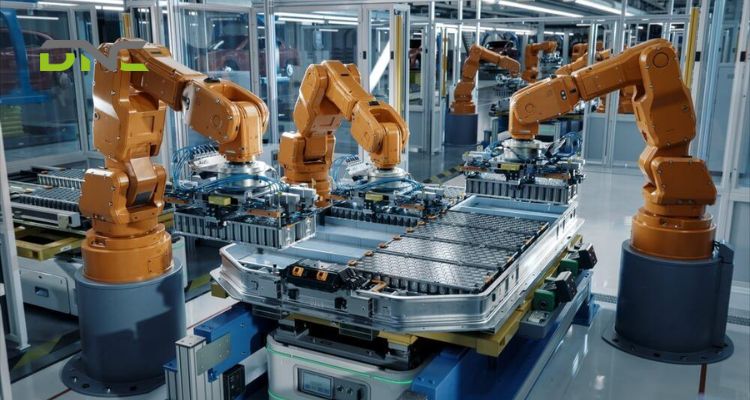
An automation integrator takes a specific production process — not a generic one — and turns it into a working line: mechanical design, panel build, PLC and SCADA programming, robot integration, and commissioning under one accountable team. Choosing the wrong one is a financial risk closer to the size of the project itself than the size of any single machine’s price tag, because a poorly scoped integrator relationship shows up as delay, rework, and a line that never quite hits its promised throughput. The label “automation integrator” covers three different businesses in practice. An equipment distributor with an engineering team added on, an engineering firm that subcontracts fabrication and installation, and a company that designs, builds, and supports the work from one in-house team can all use the same title on a proposal. Malaysian manufacturers evaluating integrators for a NIMP 2030-driven automation project need a way to tell these three apart before signing, not after the line is already on the floor.
What an Automation Integrator Actually Does
An automation integrator’s job starts with a specific process, not a catalog of machines. The integrator takes cycle time, tolerance, and floor-space constraints from an actual production line and turns them into mechanical drawings, electrical schematics, and control logic that hit those numbers. Even when standard components make up most of the bill of materials, that translation step is closer to custom engineering than equipment resale. Four pieces of work make up most of that scope: panel build, PLC and SCADA programming, robot integration, and commissioning. How much of each piece a given integrator performs in-house, versus buys in from a subcontractor, is the detail that separates otherwise similar-sounding companies. Two integrators can quote the same project at a similar price and deliver very different levels of long-term accountability, because the price line rarely discloses which parts of the work stay in-house.
Why the Integrator Choice Outweighs the Equipment Choice
The equipment on an automation project is close to a commodity: the same PLC brand, the same robot brand, and the same conveyor components are available to every integrator quoting the job. What is not standardized is who designs the system around that equipment, who programs it, and who stands behind it after commissioning. A line engineered by a team that does not fully own the process creates a support gap the moment something fails. A fault on that kind of line could sit anywhere across the robot vendor, a controls subcontractor, or the integrator who assembled the pieces, so no single party carries accountability for it — each one can point at the other while the line sits idle. That gap is where automation return-on-investment cases quietly fall apart: integration time gets underestimated, maintenance capacity gets ignored, and a pilot project that looked strong on paper stalls in production. All of those failure patterns trace back to the integrator-selection decision, not to the equipment specification.
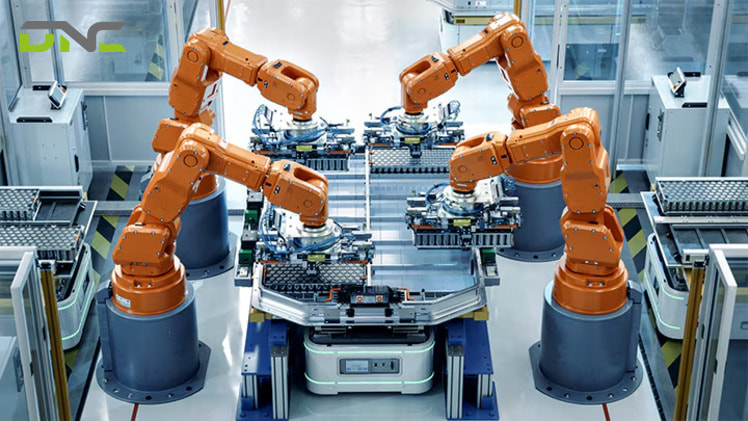
Why the Integrator Choice Outweighs the Equipmen
Verifying Engineering Scope Before Signing
Engineering scope is the first thing worth verifying, and it means asking who performs each piece of the work, by name, rather than accepting a capability list on a website. Mechanical design, controls programming, and robot integration each have a different answer worth confirming separately: does the integrator produce its own schematics and panel builds in-house, or does it rely on a third party for fabrication? Subcontracted work is not automatically a problem — many capable integrators subcontract specialty trades like electrical tie-ins — but the buyer needs to know who carries responsibility for quality and lead time when that work is not performed in-house. Platform and brand experience narrows the field further. Twenty years with one robot brand in one industry does not automatically qualify an integrator for a different brand or a different process — a genuinely comparable reference project, not just “automation experience” in general, is what separates a real match from an adjacent one. DNC Automation’s own scope, as a reference point, keeps mechanical design, controls programming, and panel build under one 35-plus-engineer team operating from a single 25,000-square-foot facility with ISO 9001:2015 certification and direct partnerships with Siemens, Comau, and CKD — the kind of in-house structure a buyer should be able to verify for any integrator under consideration, not only take on trust.
Vetting Questions That Predict Project Outcomes
The vetting questions that predict a project’s outcome go past the standard reference check into how an integrator actually operates under pressure. Asking about commissioning methodology reveals more than a capability list does. A responsible integrator can walk through the transition from factory acceptance testing to site acceptance testing, and will estimate commissioning time against real site conditions — line access, shift patterns, interface dependencies — instead of pricing it as a fixed lump sum regardless of what the site turns out to look like. Asking what support looks like a year after go-live, not during the sales process, separates an integrator planning for a long relationship from one planning for a single transaction; a standard response time on a support ticket, committed in writing, carries more weight than a verbal promise of availability. The strongest single question is the one most buyers skip: asking for a reference project where something went wrong, and how the integrator resolved it. Every integrator can produce a case study where everything worked; how a company describes a project that did not go to plan says more about how it will handle the buyer’s own project when something eventually does.

Vetting Questions That Predict Project Outcomes
Reading a Quote and Contract Structure
The answers to those vetting questions belong in writing, which is why reading a quote for what it does not say matters as much as reading what it does. Bundling hardware, engineering labor, and commissioning into a single contract number, without itemizing each component, makes bids hard to compare and hides which line item is actually driving the total cost. The same applies to ongoing costs: a support agreement, spare-parts stock, and software licensing should each appear as a separate line rather than folded into the upfront figure, since a buyer evaluating total cost of ownership needs to see what recurs annually versus what is a one-time charge. An integrator reluctant to itemize a quote this way, or one that resists putting response times and escalation paths in writing, is signaling the same reluctance to commit that shows up later if a dispute over scope arises mid-project. Engineering scope, vetting questions, and quote structure each narrow the field on their own — worth pulling together before moving to the one factor none of them fully capture.
Summary So Far
The summary so far: an automation integrator’s value sits in engineering scope, commissioning discipline, and support continuity — not in the equipment brand on the quote, which is close to identical across bidders. Verifying who performs the mechanical, controls, and robot-programming work in-house; asking how an integrator handles commissioning and post-go-live support; and reading a quote for itemized versus bundled cost structure together cover most of what determines whether a project delivers its promised throughput on schedule.
The Vetting Question Most Checklists Skip
The vetting question most checklists skip is not about the integrator’s staff or its contract — it is about what happens at the boundary between two stations on the finished line. Vendor-side vetting guidance frames accountability almost entirely as a personnel question: who is on site, whether they are employed or subcontracted, and who answers the phone when a fault develops months after commissioning. That framing is accurate as far as it goes, but it treats accountability as a matter of who to call rather than what actually breaks. Several stations make up a production line — a filler, a case packer, a checkweigher, a palletizing cell — and what passes between them is more than product. A geometry value, a weight value, or a timing value moves with it, and the next station’s own accuracy depends on that handed-off value. None of the vetting guidance reviewed for this article traces integrator selection forward to that specific failure mode.
DNC Automation’s own verified engineering findings on adjacent parts of the line illustrate the pattern concretely. A case packer’s output — case geometry, seal integrity, load placement — sets a measurement precondition for a downstream checkweigher’s read stability and a palletizing system’s declared-weight assumption, independent of how well the case packer itself hits its rated cycle time. A case-sealer’s squareness and seal integrity set the same kind of precondition for whatever reads or handles the case afterward. Neither dependency is visible on a single machine’s spec sheet, and neither shows up in a vetting conversation organized around personnel and contract terms alone. An integrator who specifies and commissions a full line — rather than one who assembles machines bought separately from different vendors and stitches them together — is the party positioned to catch this class of failure before it ships, because catching it requires owning the interface between stations, not just the stations themselves.
A buyer evaluating scope should ask directly whether a candidate integrator has specified interdependent stations together on a past project, or only ever integrated single machines into a line someone else designed. The answer does not appear on a capability list, but it predicts whether measurement and geometry preconditions between stations get caught during commissioning or discovered on the production floor months later.

The Vetting Question Most Checklists Skip
Choosing an Automation Integrator in Malaysia
That same line-interface accountability carries added weight when an automation integrator is chosen for a Malaysian project, where NIMP 2030’s push toward Industry 4.0-compliant smart manufacturing raises the bar on what “capable” means beyond mechanical and controls competence alone. An integrator operating in this market should be able to show PLC, SCADA, and IoT integration experience that supports the traceability and connected-factory requirements NIMP 2030 targets, not just conventional automation delivery. ISO 9001:2015 certification and direct partnerships with major OEMs — Siemens, Comau, CKD, and similar named platforms — are verifiable signals a buyer can check independently rather than take on trust, the same way a buyer anywhere would confirm platform certification before signing. Food and beverage, glove manufacturing, and electronics manufacturers in Malaysia are among the sectors evaluating integrators most actively, driven by the same labor-shortage and Industry 4.0 compliance pressures pushing automation onto the investment agenda across the region.
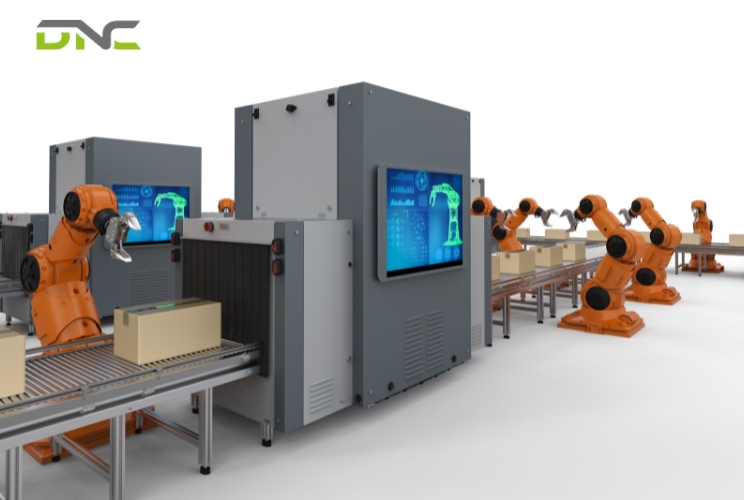
Choosing an Automation Integrator in Malaysia
Frequently Asked Questions
The frequently asked questions below cover what comes up most often when a manufacturer is evaluating automation integrators for a new project.
What does an automation integrator actually do?
An automation integrator takes a specific production process and turns it into a working system — mechanical design, panel build, PLC and SCADA programming, robot integration, and commissioning — rather than simply selling and installing standard equipment. The scope varies by company: some perform all of this in-house, others subcontract portions of it to third parties.
Is it better to choose an integrator with in-house engineering or one that subcontracts?
Many capable integrators subcontract specialty trades without that being a problem on its own. What matters is knowing, before signing, which parts of the project stay in-house and who carries responsibility for quality and lead time on any subcontracted piece — a detail a buyer should confirm directly rather than assume from a capability list.
What questions predict whether an integrator will deliver on schedule?
Questions about commissioning methodology — specifically how an integrator handles the transition from factory acceptance testing to site acceptance testing — and questions about support a year after go-live predict outcomes better than a standard reference check. Asking for a reference project where something went wrong, rather than a polished case study, reveals more about how an integrator handles the buyer’s own project when a problem eventually surfaces.
Does certification (such as A3 or ISO 9001) matter when choosing an integrator?
Certification is not a requirement for every project, but for safety-critical, highly regulated, or quality-sensitive lines, it functions as a verifiable signal rather than a marketing claim, since it audits a company’s procedures and technical capabilities before certifying them. A buyer can confirm certification independently, the same way platform partnerships with named OEMs can be verified rather than taken on trust.
How should a quote from an automation integrator be structured?
A quote should itemize hardware, engineering labor, and commissioning separately, along with any recurring costs such as a support contract or software licensing, rather than bundling everything into a single number. A bundled quote makes it difficult to compare bids or identify which component is driving the total cost.
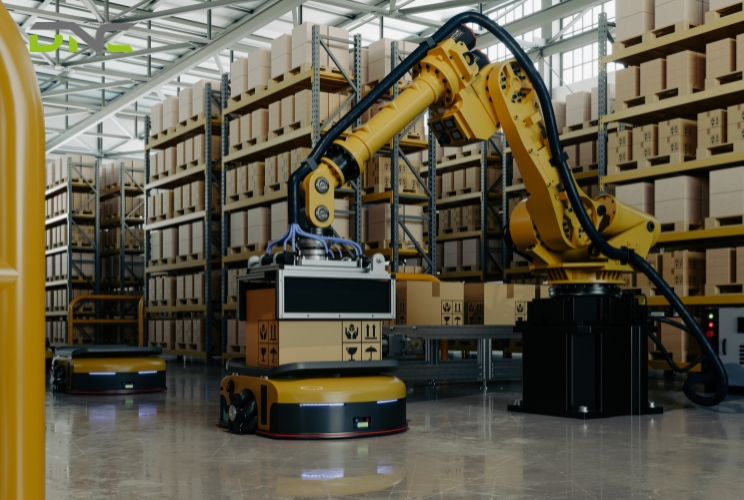
What does an automation integrator actually do?
Choosing an Integrator Who Owns the Whole Line
Choosing an integrator who owns the whole line — not just the strongest single machine on it — is the decision underneath every vetting question in this framework. Engineering scope, commissioning discipline, contract structure, and support continuity each narrow the field, but the question most vetting checklists never ask is whether a candidate has specified interdependent stations together before, because that is the experience that catches a geometry or measurement precondition between two machines before it reaches the production floor. For a Malaysian manufacturer evaluating this decision, contact our engineers at DNC Automation to discuss how a project’s engineering scope, commissioning plan, and station interfaces should be evaluated together, not station by station.
- 21 views
- 0 Comment
Recent Comments