


CIP Cleaning in Filling Lines: Valves, Not Just Flow
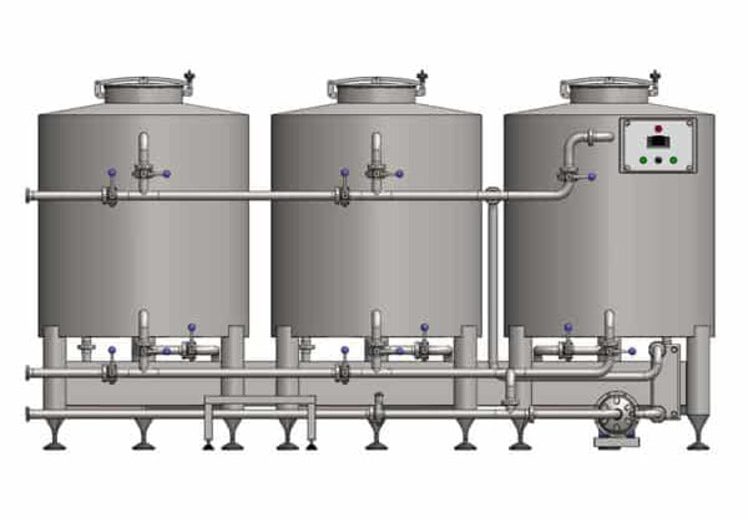
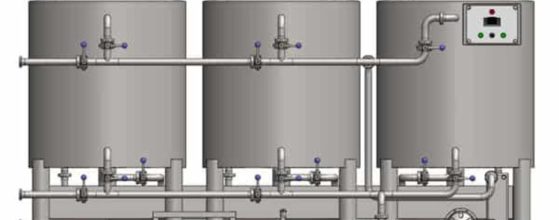
CIP cleaning in filling lines — clean-in-place cleaning, not the firearms proof standard that shares the abbreviation — circulates water, detergent and heat through a closed interior circuit without opening the machine, which is the definition the process industry already applies to tanks and pipelines. A filling machine breaks the circuit topology that definition assumes…
Read more- 15 views
- 0 Comment
Choosing a Filler for Viscous Products | DNC Automation Malaysia
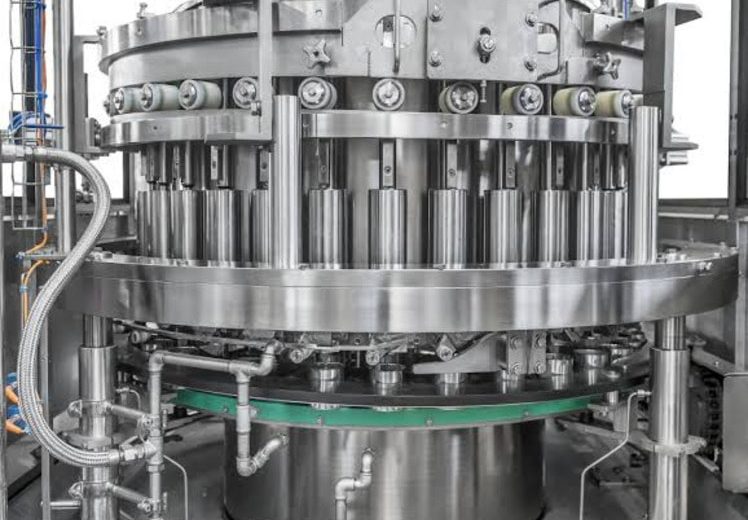
Choosing a filler for viscous products settles one question ahead of every other: which quantity the machine holds constant while the product resists flow. Four quantities are available to any filling head — elapsed time, liquid level, displaced volume and delivered mass — and above roughly 1,000 centipoise the first two drop out, leaving displacement..
Read more- 14 views
- 0 Comment
How a Liquid Filling Machine Works | DNC Automation Malaysia

A liquid filling machine performs three separable functions: it handles the container, meters the product, and verifies the fill. Handling is the invariant — a conveyor delivers the container, a photo-eye sensor finds it, a stop holds it under the nozzle. Metering is where machines diverge, because every liquid filling machine holds exactly one of..
Read more- 14 views
- 0 Comment
Piston vs Pump Filling Machine: What Each One Measures
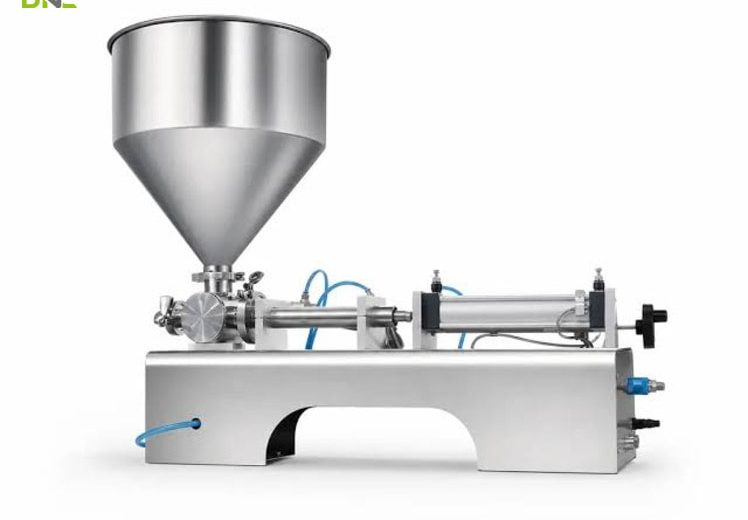
A piston filling machine and a pump filling machine differ in which part of the dose each one defines. A piston fixes the dose geometrically: one stroke sweeps a set volume inside a cylinder, and that volume is settled before the discharge valve opens. A pump fixes a rate instead, so the dose becomes flow..
Read more- 23 views
- 0 Comment
Semi-Automatic vs Automatic Strapping Machine | DNC Automation
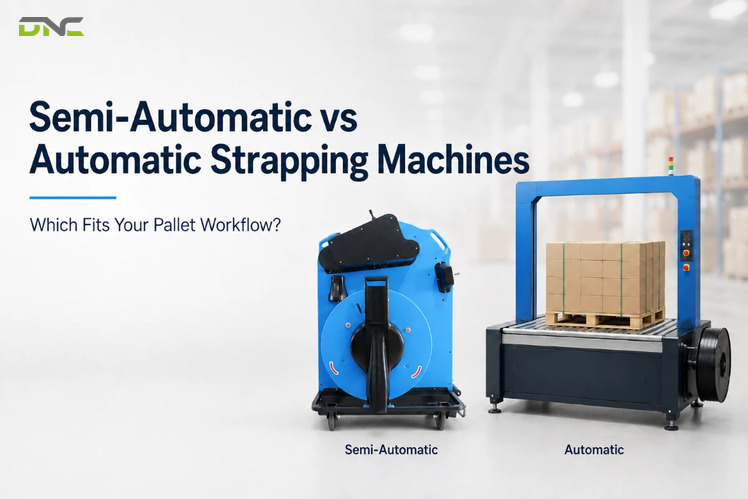
A semi-automatic strapping machine and an automatic strapping machine run the same four-action cycle – dispense, tension, seal, cut. What separates them is who starts that cycle. On a semi-automatic strapping machine an operator positions the package and threads the strap, then triggers the cycle with a foot pedal, push button or tabletop sensor. On..
Read more- 23 views
- 0 Comment
Checkweigher vs Static Weighing Scale | DNC Automation
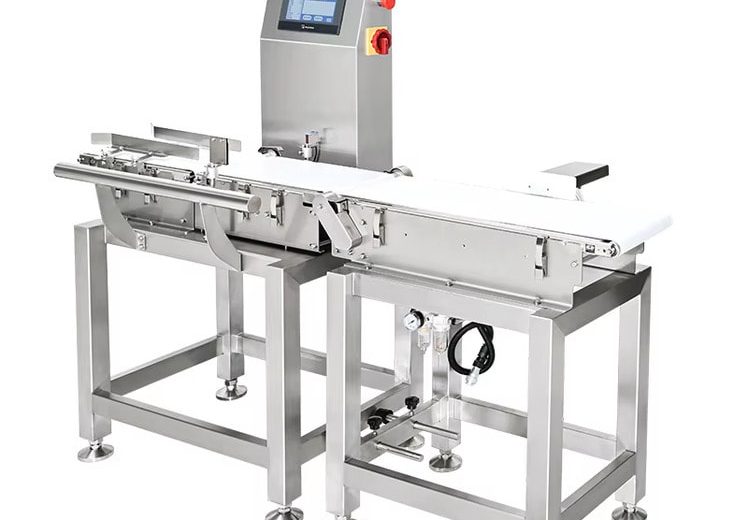
A checkweigher weighs every pack while it travels along the line; a static weighing scale weighs one pack at a time while it rests on a platform. That single mechanical difference sets inspection coverage, throughput, capital cost, and regulatory exposure. Both instruments read force through the same strain gauge load cell and weighing controller. A..
Read more- 28 views
- 0 Comment
Stretch Wrapping vs Shrink Wrapping | DNC Automation Malaysia
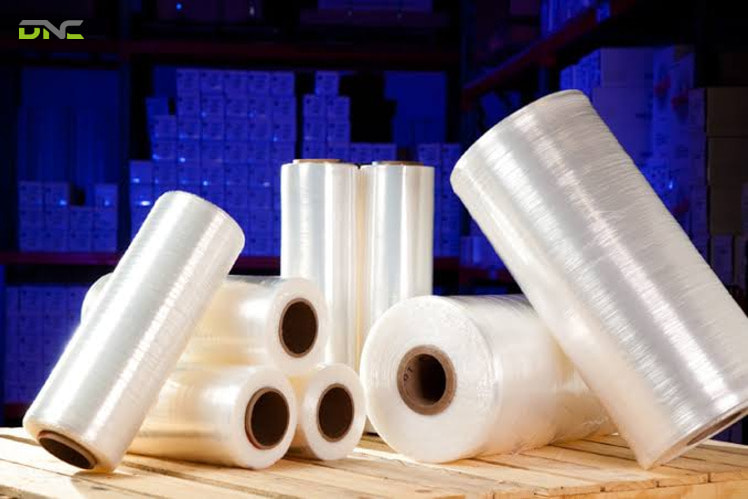
Stretch wrapping and shrink wrapping are not two answers to one question. Shrink wrapping acts on the product – a bottle, a carton, a multipack – sealing film loosely around it and then heating it to 300 °F (149 °C) so the film contracts onto the shape. Stretch wrapping acts on the unit load, elongating..
Read more- 11 views
- 0 Comment
Pre-Stretch Film Ratio Explained | DNC Automation Malaysia
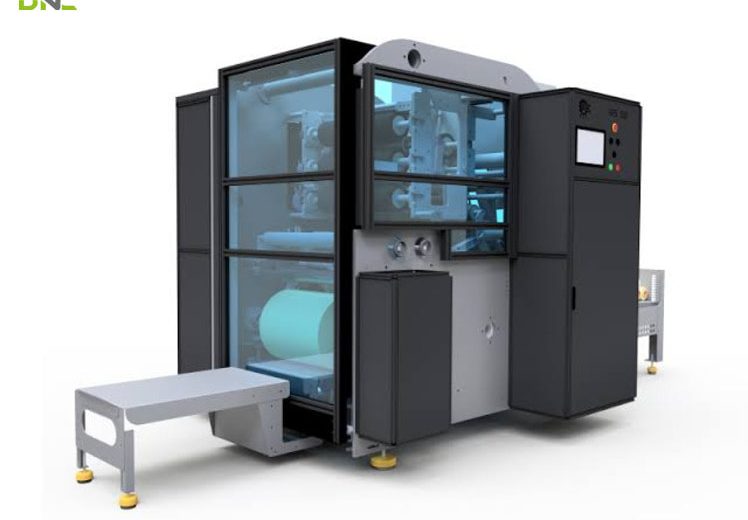
A pre-stretch ratio is the percentage of added elongation that a stretch wrapper’s film delivery system applies to the film before the film reaches the pallet, set by a gear pair or a powered roller set inside the pre-stretch carriage. A 250% setting draws one metre off the roll and lays 3.5 m onto the..
Read more- 30 views
- 0 Comment
Dynamic Checkweigher Reject Systems: Devices, Pitch and Confirmation
A dynamic checkweigher reject system is the actuator that carries out the weight verdict. The checkweigher decides. The rejector removes. Seven device families do that work, and they reduce to four directions of clearance – the constraint your line layout either satisfies or does not. Pitch weighs just as heavily. The spacing that lets the..
Read more- 13 views
- 0 Comment
Digital vs Analog Load Cell | DNC Automation Malaysia
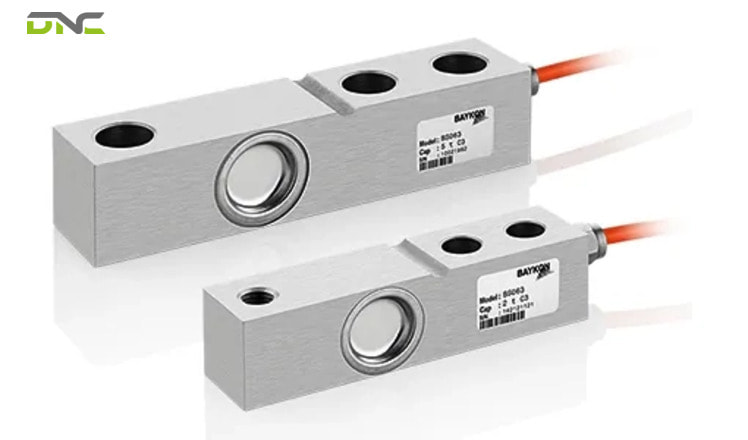
Digital and analog load cells both sense force with bonded strain gauges, and they differ in one architectural decision: where the analog-to-digital conversion happens. An analog load cell sends raw millivolt voltage down its cable to a summing junction box, and conversion occurs at the indicator. A digital load cell converts inside its own housing,..
Read more- 16 views
- 0 Comment
Recent Comments