


PP Strap vs PET Strap | DNC Automation
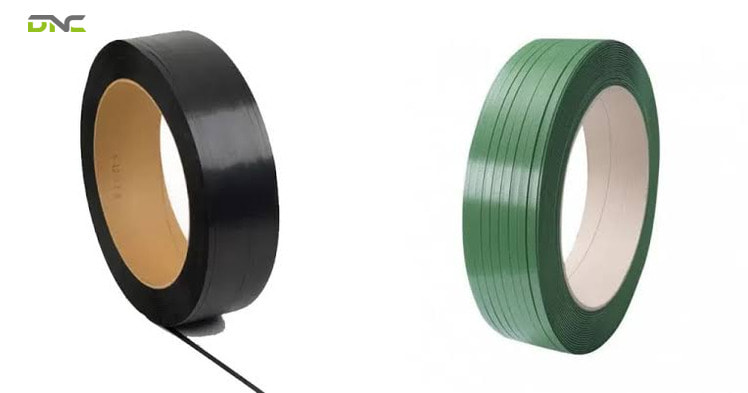
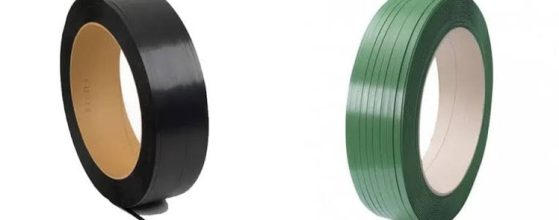
PP strap is polypropylene; PET strap is polyethylene terephthalate, a polyester. The two coils look identical on the pallet rack and behave differently the moment tension goes on. Polypropylene stretches, absorbs shock and then relaxes, which suits cartons and bundles that move quickly through a controlled indoor line. Polyester stretches far less and holds what..
Read more- 28 views
- 0 Comment
How to Improve Pallet Load Stability | DNC Automation
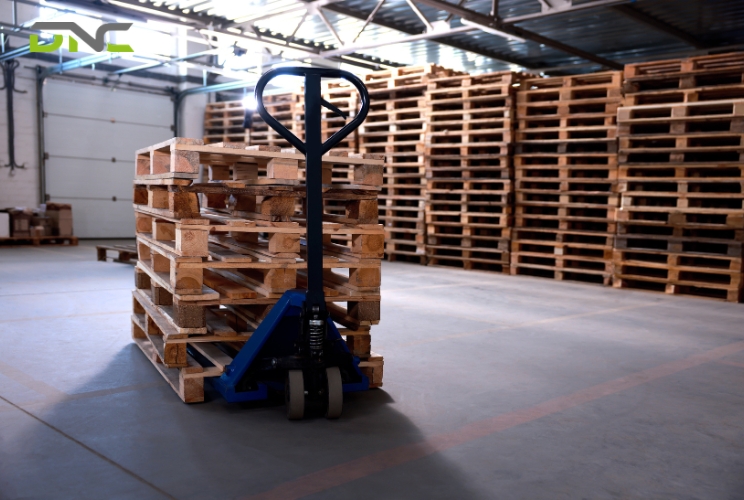
Pallet load stability is the capacity of a palletised unit load to stay intact and upright under the forces it meets between the palletiser and the delivery bay – acceleration, braking, cornering and forklift handling. Improving it means working through four things in order: the condition and pattern of the load itself, the friction applied..
Read more- 17 views
- 0 Comment
How Does a Load Cell Work | DNC Automation Malaysia
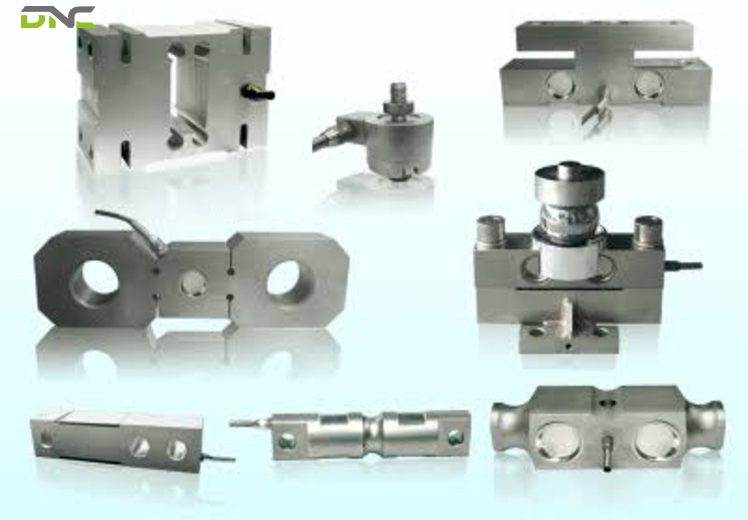
A load cell is an electro-mechanical transducer that converts an applied force into a proportional electrical signal. Inside the sensor, a machined spring element of alloy steel, 17-4 stainless steel, or aluminium deforms under load. Bonded foil strain gauges track that deformation as a change in electrical resistance. Four gauges wired into a Wheatstone bridge..
Read more- 16 views
- 0 Comment
Load Cell Calibration Guide | DNC Automation Malaysia
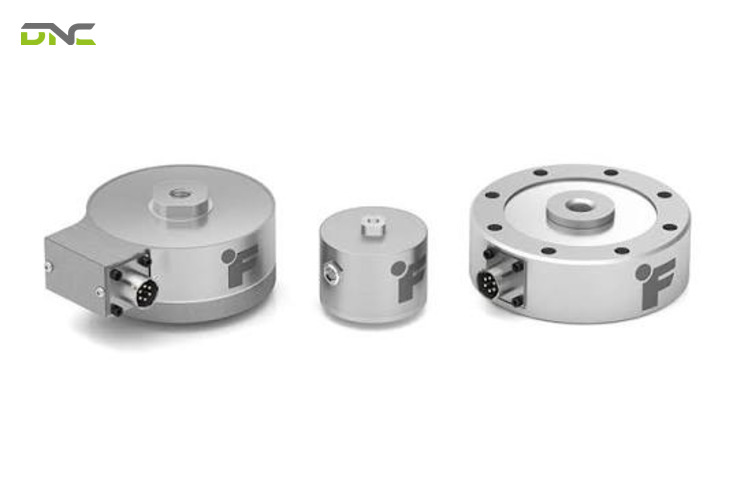
Load cell calibration establishes a documented, traceable relationship between the electrical output of a load cell and the actual force applied to it. The work follows a defined sequence: preload the sensor, capture the zero point, apply certified reference forces in ascending steps, compare output against expected values, then compute the gain and offset that..
Read more- 29 views
- 0 Comment
Turntable vs Rotary Arm Stretch Wrapper | DNC Automation
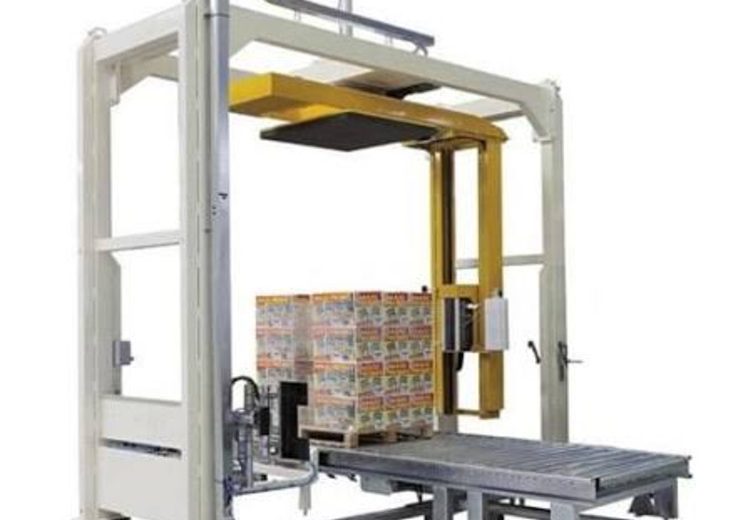
A turntable stretch wrapper and a rotary arm stretch wrapper apply film the same way – a bottom-up spiral from a pre-stretch carriage travelling a vertical mast. One thing separates them: on a turntable the pallet rotates and the carriage stays put, and on a rotary arm the pallet stands still while the arm sweeps..
Read more- 17 views
- 0 Comment
Batching and Dosing Weighing System: Control, Accuracy and Specification
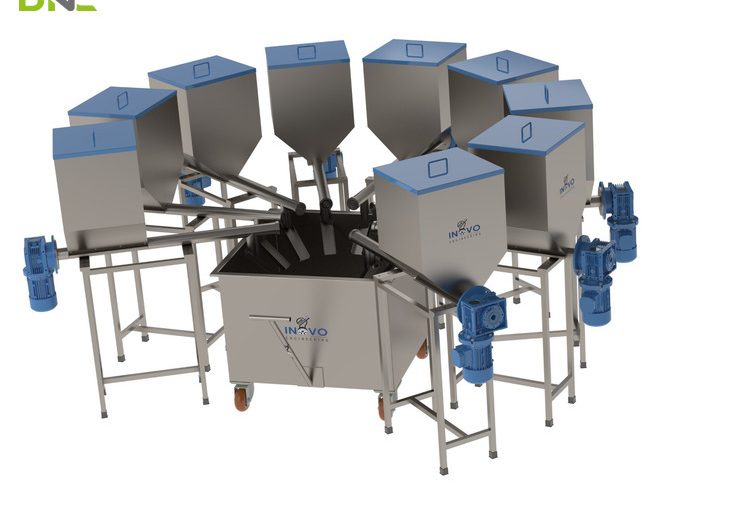
A batching and dosing weighing system meters several ingredients into one batch by weight, using feeders to move material and load cells to decide when each feeder stops. The weigh hopper, the feeder driving it, the weighing indicator reading the load cells and the recipe logic in the PLC behave as one instrument, because the..
Read more- 43 views
- 0 Comment
Strain Gauge Working Principle: Deformation Into Signal
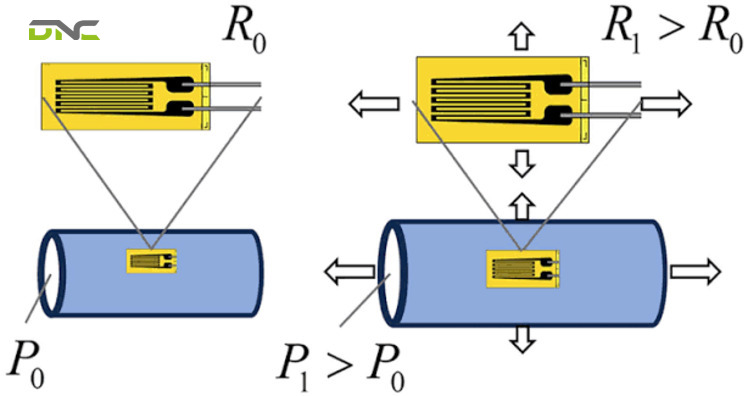
The strain gauge working principle is a chain of conversions, not a single effect. A force deforms a surface. The deformation transfers through an adhesive into a bonded foil grid. The grid’s geometry changes, which changes its electrical resistance. A Wheatstone bridge turns that resistance change into a voltage difference, and an amplifier turns the..
Read more- 33 views
- 0 Comment
How a Checkweigher Works: The Weighing Window, Zones and Reject
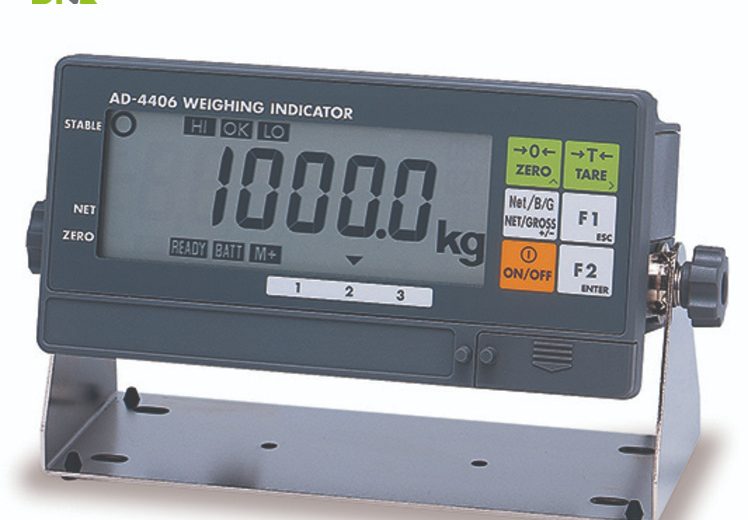
A checkweigher weighs every package while the line keeps running. Three conveyors carry the pack across it: an infeed belt that speeds up to open a gap, a weigh conveyor mounted on a load cell, and an outfeed belt that clears the pack or hands it to a reject device. The load cell converts the..
Read more- 23 views
- 0 Comment
Load Cell Types Explained: Technologies, Shapes & Selection
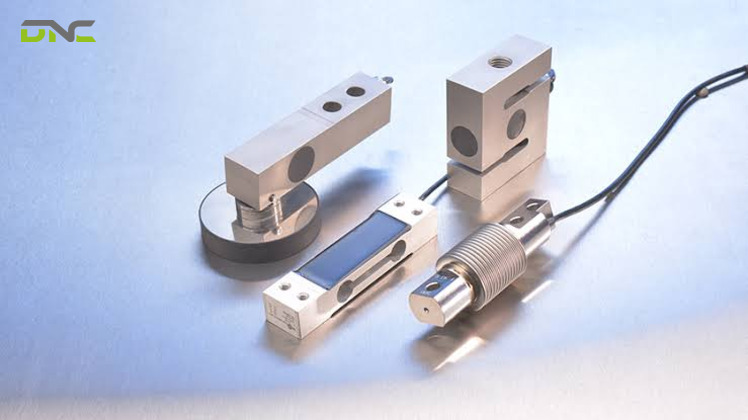
Load Cell Types Split Across Two Independent Axes From a specification standpoint, a load cell has two type designations at once: one sensing technology and one body geometry. The two are independent. A pancake cell and an S-beam cell are both strain gauge cells built in different shapes; a hydraulic cell and a capacitive cell answer..
Read more- 28 views
- 0 Comment
Load Cell IP Rating and Ingress Protection Explained
A load cell IP rating states, under IEC 60529, how completely the sensor is sealed against two separate intrusion paths – solids on the first digit, liquids on the second. IP67 and IP68 carry most industrial weighing installations, while IP69K covers high-temperature washdown and takes its value from the German standard DIN 40050-9 rather than..
Read more- 27 views
- 0 Comment
Recent Comments