


Bucket Elevator Conveyor Solutions for Efficient Vertical Material Handling
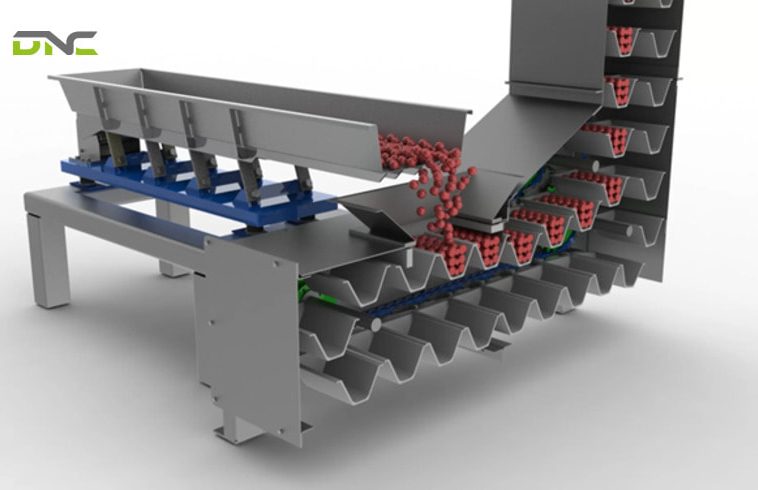
A bucket elevator conveyor lifts bulk materials vertically using buckets attached to a continuous belt or chain loop running inside an enclosed casing. It is the most efficient method for vertical elevation of dry bulk solids — grain, cement clinker, palm kernel, sugar, minerals, and animal feed — achieving throughputs of 20–1,000 tonnes per hour..
Read more- 247 views
- 0 Comment
Conveyor Motors: Types, Selection & Integration Guide for Malaysian Factories
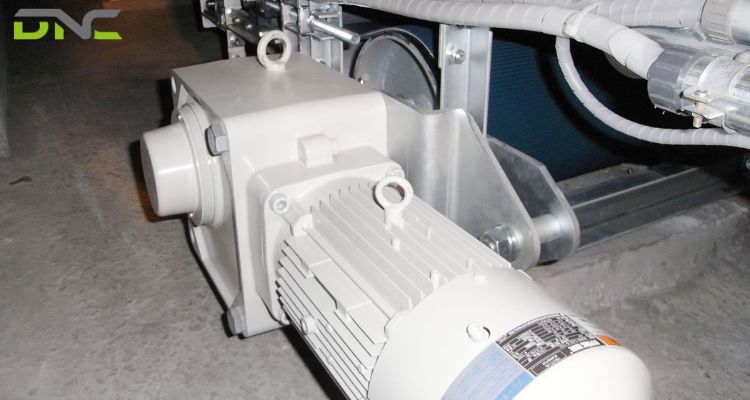
Conveyor motors are the power source of every production line — the wrong motor type, incorrect sizing, or missing VFD integration creates energy waste, premature motor failure, conveyor belt slippage, and unplanned production stoppages across Malaysian manufacturing facilities. A conveyor motor converts electrical energy into the rotational torque that drives the conveyor belt — but..
Read more- 358 views
- 0 Comment
Scraper Conveyor: Types, Applications & Engineering Guide for Malaysian Industry
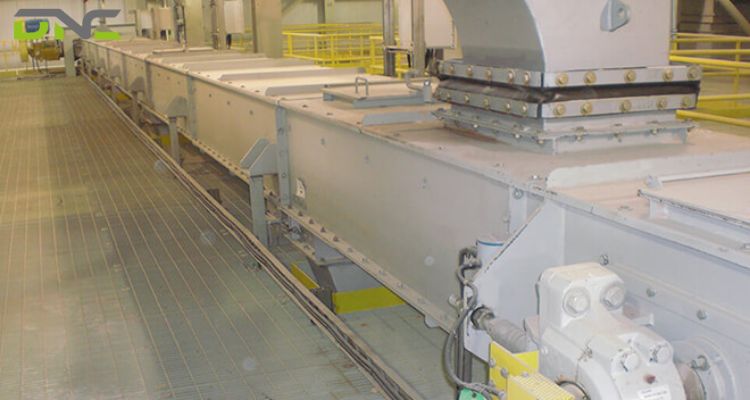
Scraper conveyors are the engineered solution for bulk material handling tasks that belt conveyors cannot perform — moving abrasive, hot, wet, or sticky materials through enclosed troughs in environments where open belts would spill, contaminate, or deteriorate within weeks. A scraper conveyor uses a continuous chain or chains fitted with scraper flights (blades) to push..
Read more- 260 views
- 0 Comment
Conveyor Metal Detector: Complete Guide for Malaysian Food & Industrial Factories
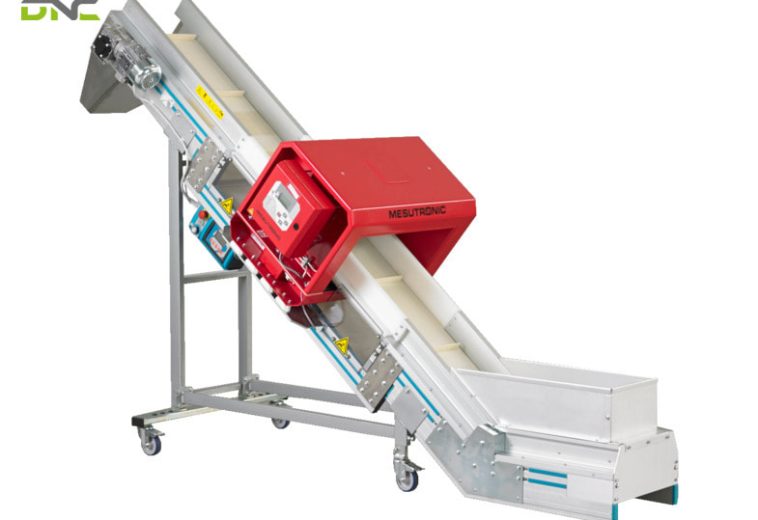
A conveyor metal detector is not an optional quality improvement tool in Malaysian food manufacturing — it is a mandatory Critical Control Point (CCP) under HACCP (MS 1480), required by every major food safety certification standard (BRC Global Standard, FSSC 22000), and a non-negotiable requirement for export F&B products to EU, UK, US, and Japanese..
Read more- 411 views
- 0 Comment
Roller Chain Conveyor Systems: Design, Types, and Industrial Applications
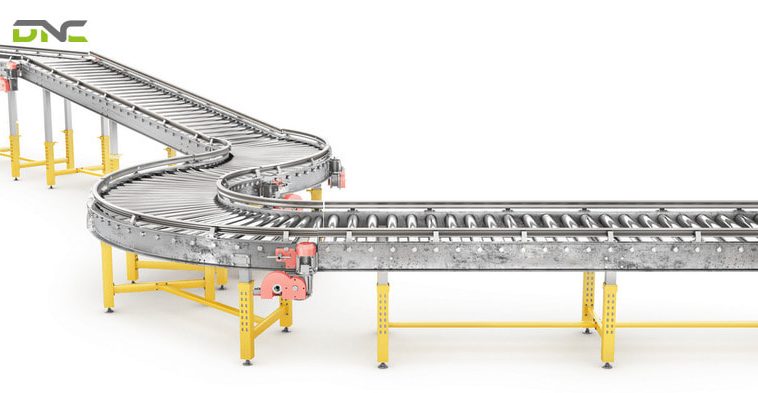
Roller chain conveyors are designed for transporting heavy and palletized loads in industrial environments where strength and load stability are critical. By using chain-driven rollers, these systems provide controlled movement and reliable positioning across automated production and material handling lines. What Is a Roller Chain Conveyor and How Does It Work? A roller chain conveyor..
Read more- 226 views
- 0 Comment
Timing Belt Conveyor: Precision Positioning, Tooth Profiles, Servo Integration, and Applications
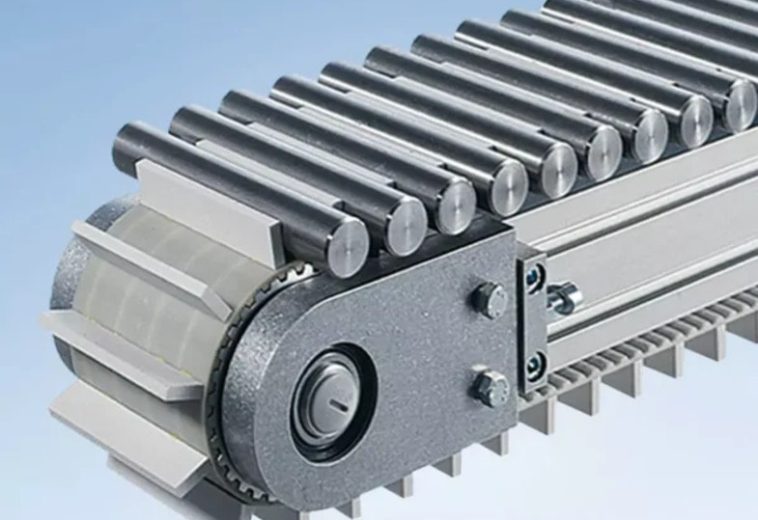
Timing Belt Conveyor: Precision Positioning, Tooth Profiles, Servo Integration, and Applications A timing belt conveyor uses a toothed (synchronous) belt running over toothed pulleys — instead of friction-driven flat pulleys — to transmit drive force without slippage. The positive engagement between belt teeth and pulley teeth means every pulley rotation corresponds to an exact belt..
Read more- 236 views
- 0 Comment
Motorized Conveyor: Types, Drive Systems, PLC Integration, and Selection Guide
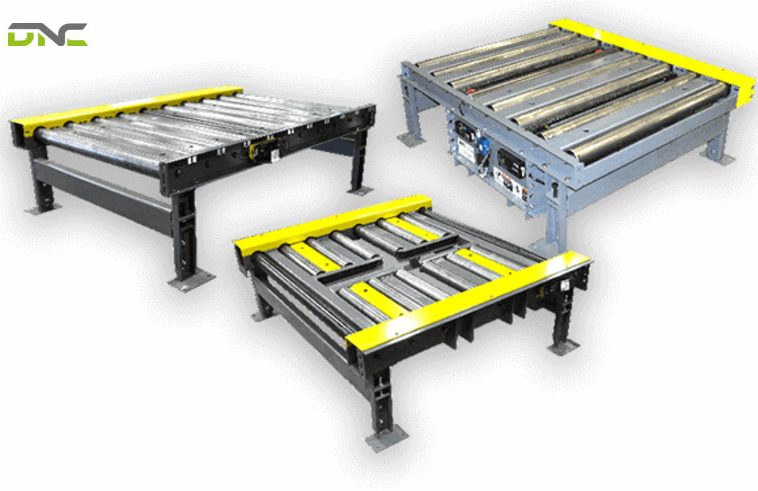
Motorized Conveyor: Types, Drive Systems, PLC Integration, and Selection Guide A motorized conveyor uses an electric motor — directly coupled, belt-driven, or via gearbox — to power product or material movement along a defined path. Unlike gravity conveyors (which rely on slope and product weight) or manual push conveyors, motorized conveyors provide controlled, consistent speed..
Read more- 141 views
- 0 Comment
Optimizing Industrial Flow: Why Flat Belt Conveyors are the Heart of Modern Automation
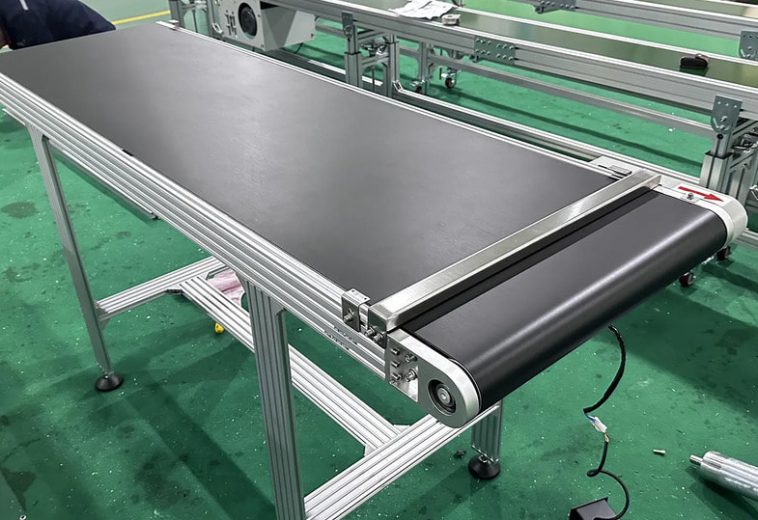
A flat belt conveyor carries products on a smooth, continuous belt surface moving horizontally, on an incline, or on a decline between two points. It is the most versatile and widely deployed conveyor type in manufacturing and logistics — used for everything from transporting PCBs between SMT process stages to moving packaged food products from..
Read more- 230 views
- 0 Comment
Cleated Conveyor Belt Explained: Types, Materials, Applications, and Design Considerations
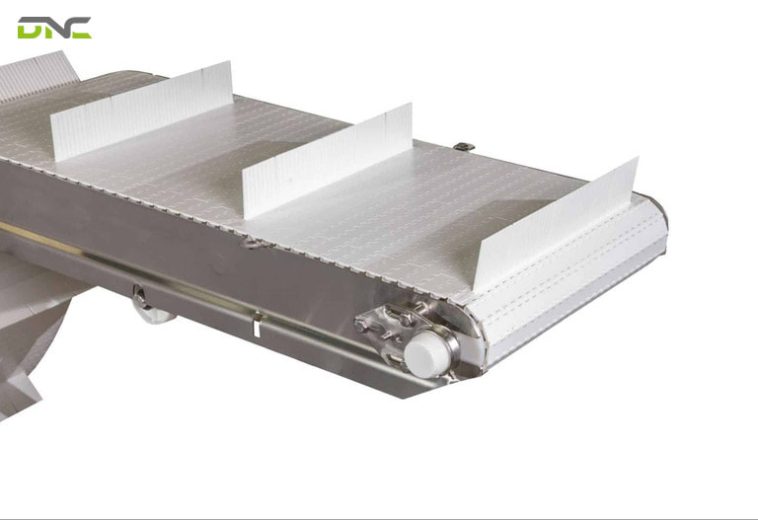
Cleated Conveyor Belt: Types, Cleat Profiles, Incline Angles, and Applications A cleated conveyor belt has transverse protrusions — cleats — moulded or bonded to the belt surface at regular intervals. Cleats prevent product or material from sliding back down the belt when conveying on inclines steeper than a flat belt can handle. A flat smooth..
Read more- 400 views
- 0 Comment
What is An Inclined Conveyor? Advantages, Applications & Latest Quotes 2026
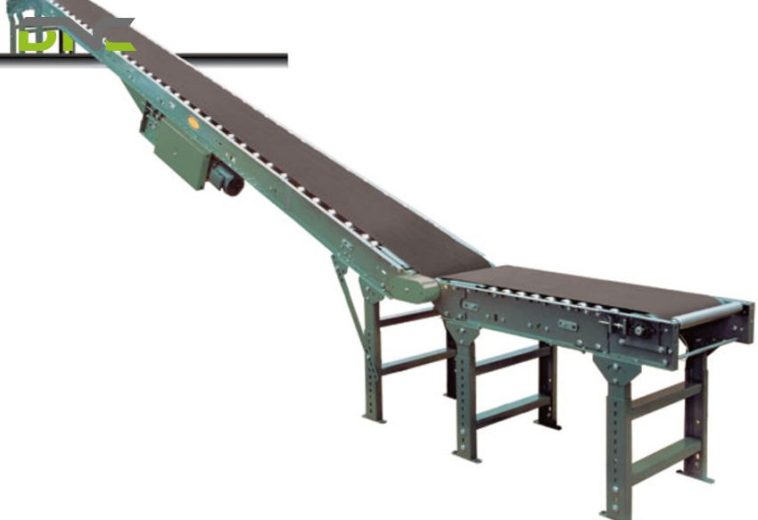
What is an Incline Conveyor? An inclined conveyor is a type of material handling system designed to move goods and materials from one level to another. The equipment has a belt or chain that runs over rollers or a slide platform, which are positioned at an angle, allowing materials to be transported up or down..
Read more- 82 views
- 0 Comment

Recent Comments