


Benefits of Custom Automation for an End-of-Line Packaging Line
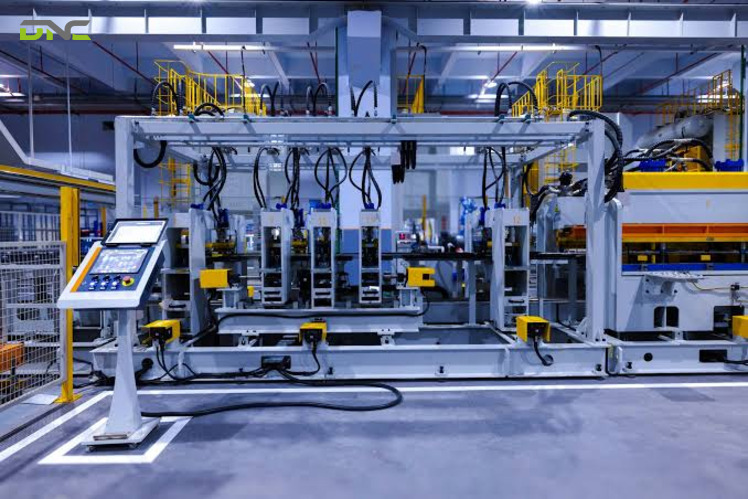
The benefits of custom automation on an end-of-line packaging line rarely come from the machine itself — a custom case packer, case sealer, or palletizer usually performs the same core motion as a standard one. What custom engineering actually buys is a machine specified against the stations on either side of it: the case erector..
Read more- 5 views
- 0 Comment
Accumulation Conveyor Working Principle: What the Zones Actually Do
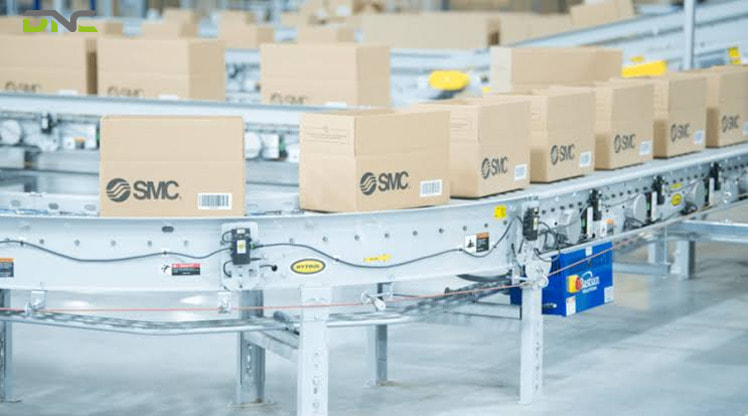
An accumulation conveyor holds product temporarily between two stations that are running at different paces, so a slower or stopped downstream machine does not force the upstream machine to stop with it. The working principle comes down to one mechanical idea: the conveyor is divided into zones, and each zone can start or stop on..
Read more- 11 views
- 0 Comment
CIP Cleaning in Filling Lines: Valves, Not Just Flow
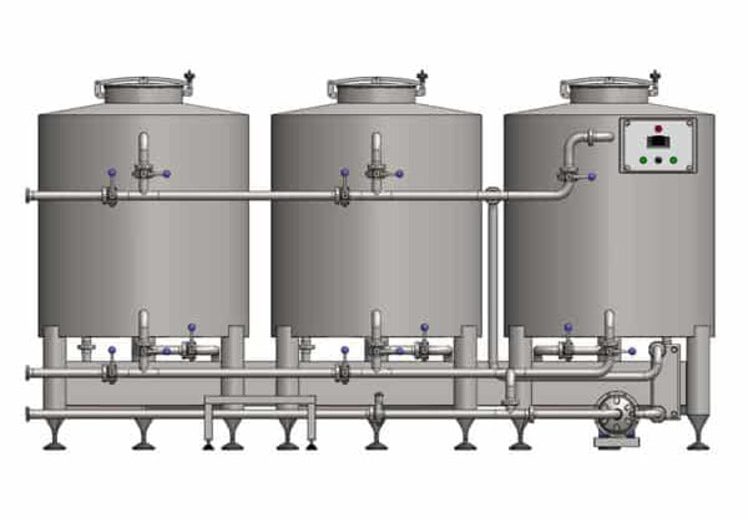
CIP cleaning in filling lines — clean-in-place cleaning, not the firearms proof standard that shares the abbreviation — circulates water, detergent and heat through a closed interior circuit without opening the machine, which is the definition the process industry already applies to tanks and pipelines. A filling machine breaks the circuit topology that definition assumes…
Read more- 7 views
- 0 Comment
Choosing a Filler for Viscous Products | DNC Automation Malaysia
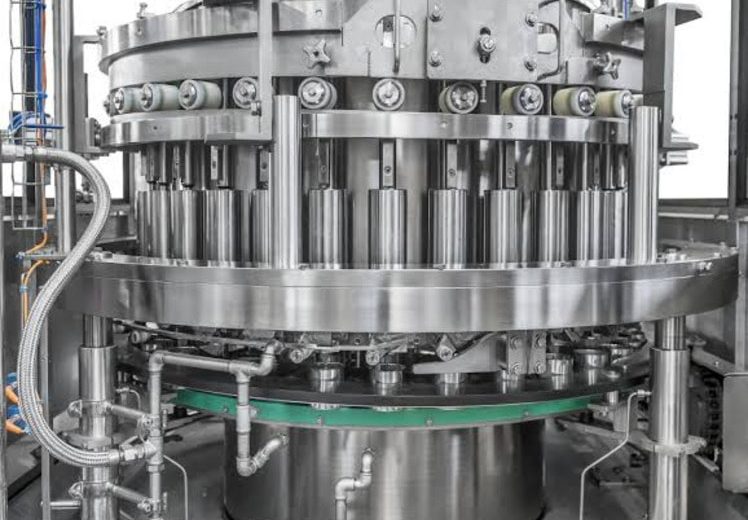
Choosing a filler for viscous products settles one question ahead of every other: which quantity the machine holds constant while the product resists flow. Four quantities are available to any filling head — elapsed time, liquid level, displaced volume and delivered mass — and above roughly 1,000 centipoise the first two drop out, leaving displacement..
Read more- 8 views
- 0 Comment
How a Liquid Filling Machine Works | DNC Automation Malaysia
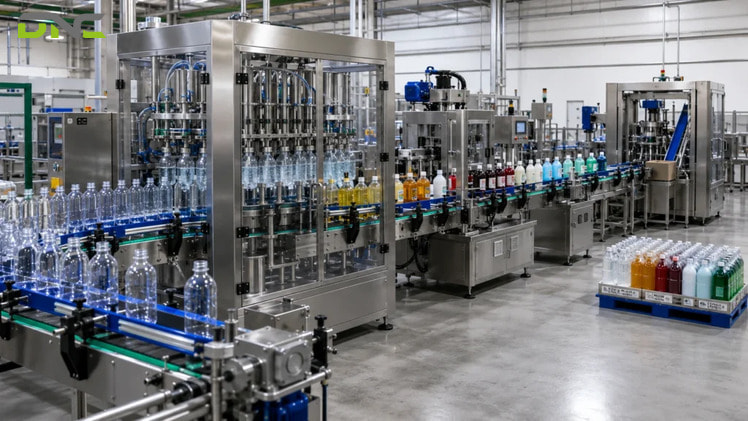
A liquid filling machine performs three separable functions: it handles the container, meters the product, and verifies the fill. Handling is the invariant — a conveyor delivers the container, a photo-eye sensor finds it, a stop holds it under the nozzle. Metering is where machines diverge, because every liquid filling machine holds exactly one of..
Read more- 10 views
- 0 Comment
Piston vs Pump Filling Machine: What Each One Measures
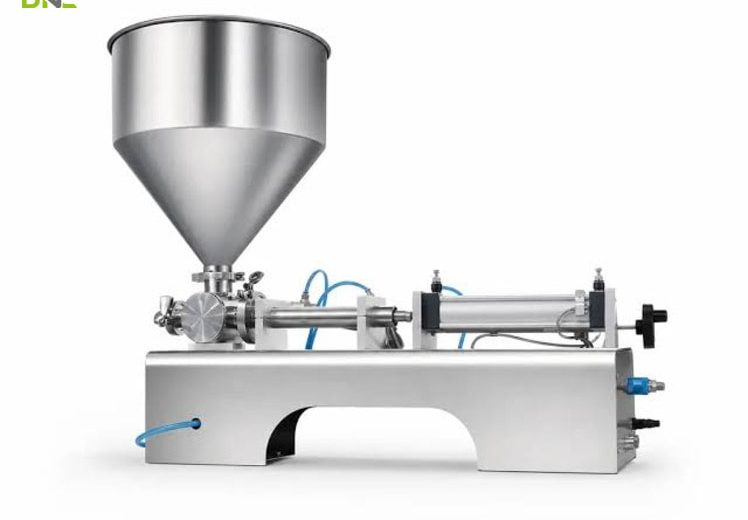
A piston filling machine and a pump filling machine differ in which part of the dose each one defines. A piston fixes the dose geometrically: one stroke sweeps a set volume inside a cylinder, and that volume is settled before the discharge valve opens. A pump fixes a rate instead, so the dose becomes flow..
Read more- 13 views
- 0 Comment
Semi-Automatic vs Automatic Strapping Machine | DNC Automation
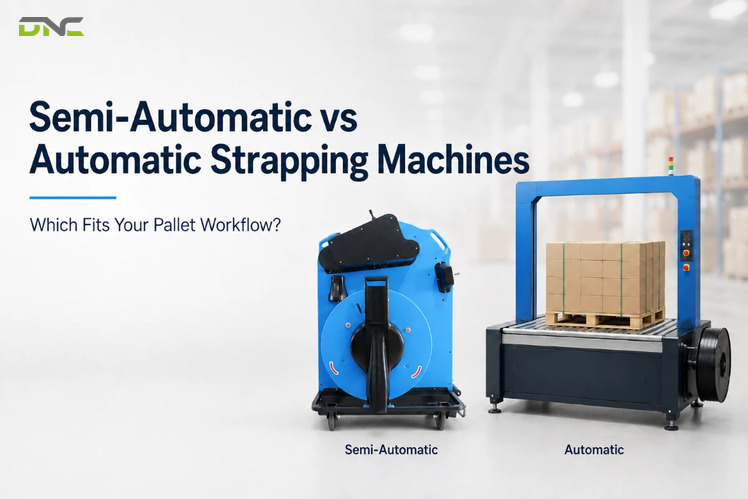
A semi-automatic strapping machine and an automatic strapping machine run the same four-action cycle – dispense, tension, seal, cut. What separates them is who starts that cycle. On a semi-automatic strapping machine an operator positions the package and threads the strap, then triggers the cycle with a foot pedal, push button or tabletop sensor. On..
Read more- 14 views
- 0 Comment
Checkweigher vs Static Weighing Scale | DNC Automation
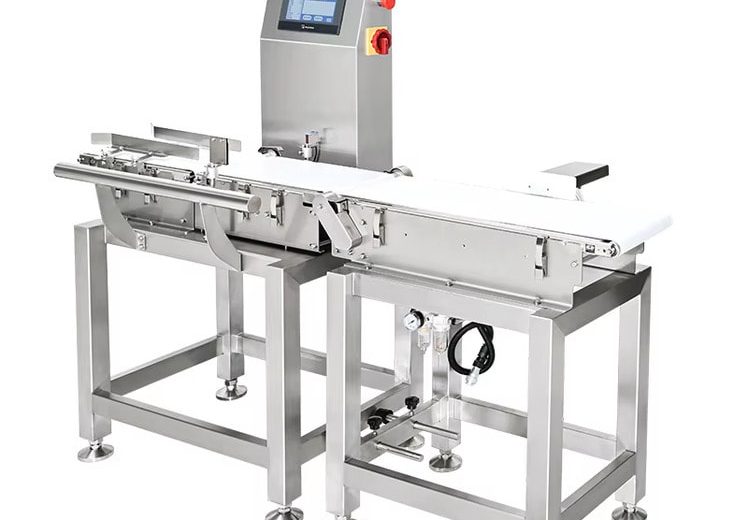
A checkweigher weighs every pack while it travels along the line; a static weighing scale weighs one pack at a time while it rests on a platform. That single mechanical difference sets inspection coverage, throughput, capital cost, and regulatory exposure. Both instruments read force through the same strain gauge load cell and weighing controller. A..
Read more- 15 views
- 0 Comment
Stretch Wrapping vs Shrink Wrapping | DNC Automation Malaysia
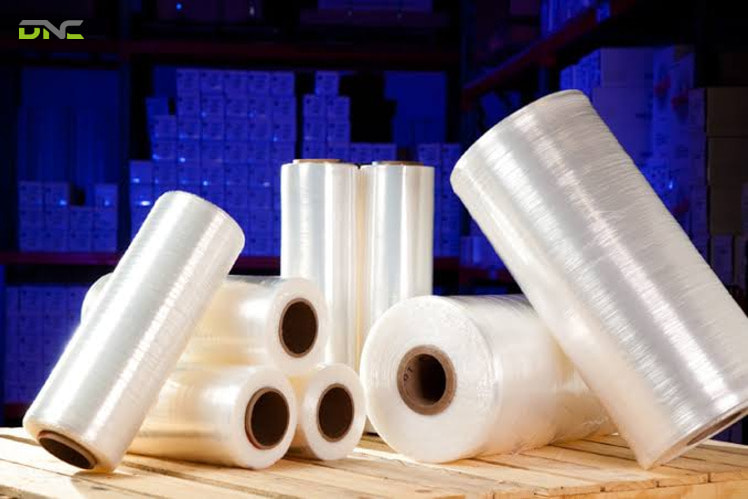
Stretch wrapping and shrink wrapping are not two answers to one question. Shrink wrapping acts on the product – a bottle, a carton, a multipack – sealing film loosely around it and then heating it to 300 °F (149 °C) so the film contracts onto the shape. Stretch wrapping acts on the unit load, elongating..
Read more- 7 views
- 0 Comment
Pre-Stretch Film Ratio Explained | DNC Automation Malaysia
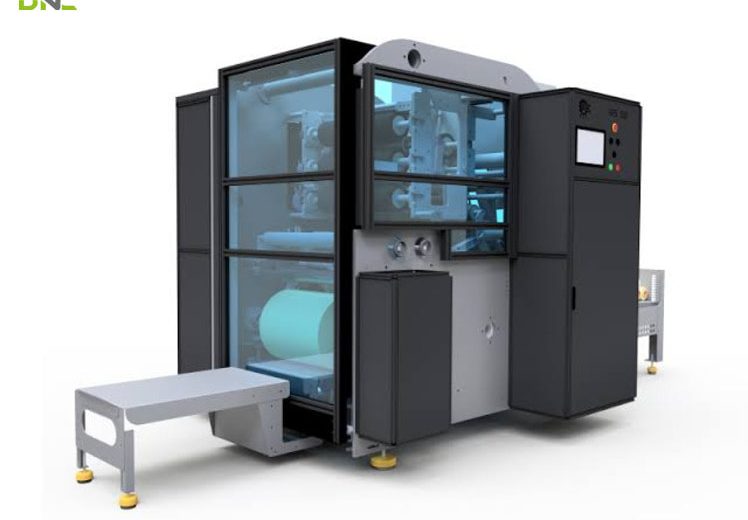
A pre-stretch ratio is the percentage of added elongation that a stretch wrapper’s film delivery system applies to the film before the film reaches the pallet, set by a gear pair or a powered roller set inside the pre-stretch carriage. A 250% setting draws one metre off the roll and lays 3.5 m onto the..
Read more- 15 views
- 0 Comment
Recent Comments